

Australia’s coastline is home to some of the world’s most remarkable marine life, including sharks. While shark encounters are uncommon, understanding how to reduce risk — and how sharks behave — can help you enjoy the ocean with confidence.
Being “shark smart” isn’t about avoiding the water. It’s about awareness, good decision‑making, and recognising the conditions that make encounters more likely.
How Common Are Shark Attacks?
Despite public perception, shark incidents remain rare. Globally, there are around 70-100 shark bites per year, with only 10-15 fatalities.
Australia typically records 20-30 incidents annually, with 0-3 fatalities in most years.
Millions of people enter the ocean every year without incident, yet sharks are a common fear for ocean-goers.
Shark Smart Tips for All Ocean Users
Swim Between the Flags
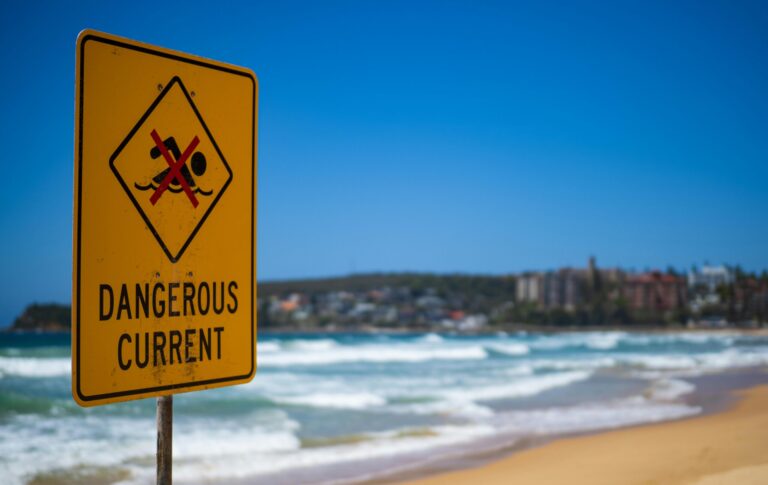
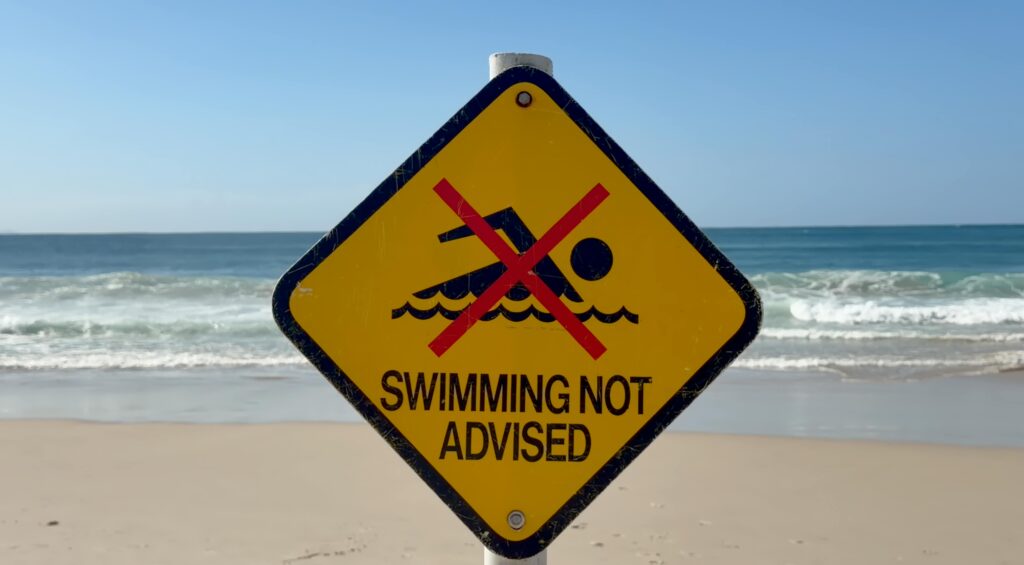
Patrolled beaches are the safest places to swim. Lifeguards monitor conditions, identify hazards, and respond quickly in emergencies. If no patrolled beach is available, follow local signage and beach‑specific advice.
Avoid the Water at Dawn, Dusk, and Night
Many shark species are more active in low‑light conditions. Reduced visibility increases the chance of mistaken identity, especially for swimmers and surfers on the surface.
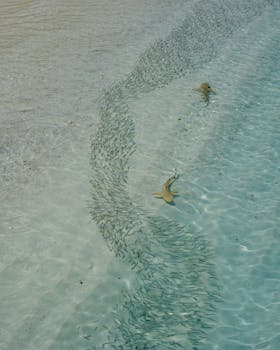
Stay Clear of Baitfish Schools and Diving Birds
If you see:
- baitfish flickering
- birds diving
- larger fish feeding
…you’re observing a feeding event. Sharks may be drawn to the same activity, so it’s best to move to a quieter area.
Choose Clear Water
Sharks rely heavily on silhouette and movement. Murky or churned‑up water makes it harder for them to distinguish humans from prey. If the water is brown or silty, wait for conditions to improve.
Stay Close to Shore
Especially for swimmers. Staying within a comfortable distance of the beach reduces risk and allows for faster assistance if needed.
Avoid Popular Fishing Areas
Fishing introduces bait, blood, and struggling fish — all of which can attract sharks. Swim away from fishing lines, boats, and cleaning stations. If you’re boating, keep fish waste out of the water near swimmers.
Avoid River Mouths and Canals
These areas are often murkier, attract baitfish, and are common habitats for bull sharks. After rain, runoff can further reduce visibility and draw predators closer to shore.
Don’t Enter the Water With Bleeding Cuts or Wounds
Sharks have an excellent sense of smell. Even small amounts of blood can attract attention, so cover wounds or sit this swim out.
Use Shark Apps and Local Alerts
Many states provide real‑time shark sighting information. Staying informed helps you make safer decisions, especially during peak seasons.
Most Sharks Are Relatively Harmless
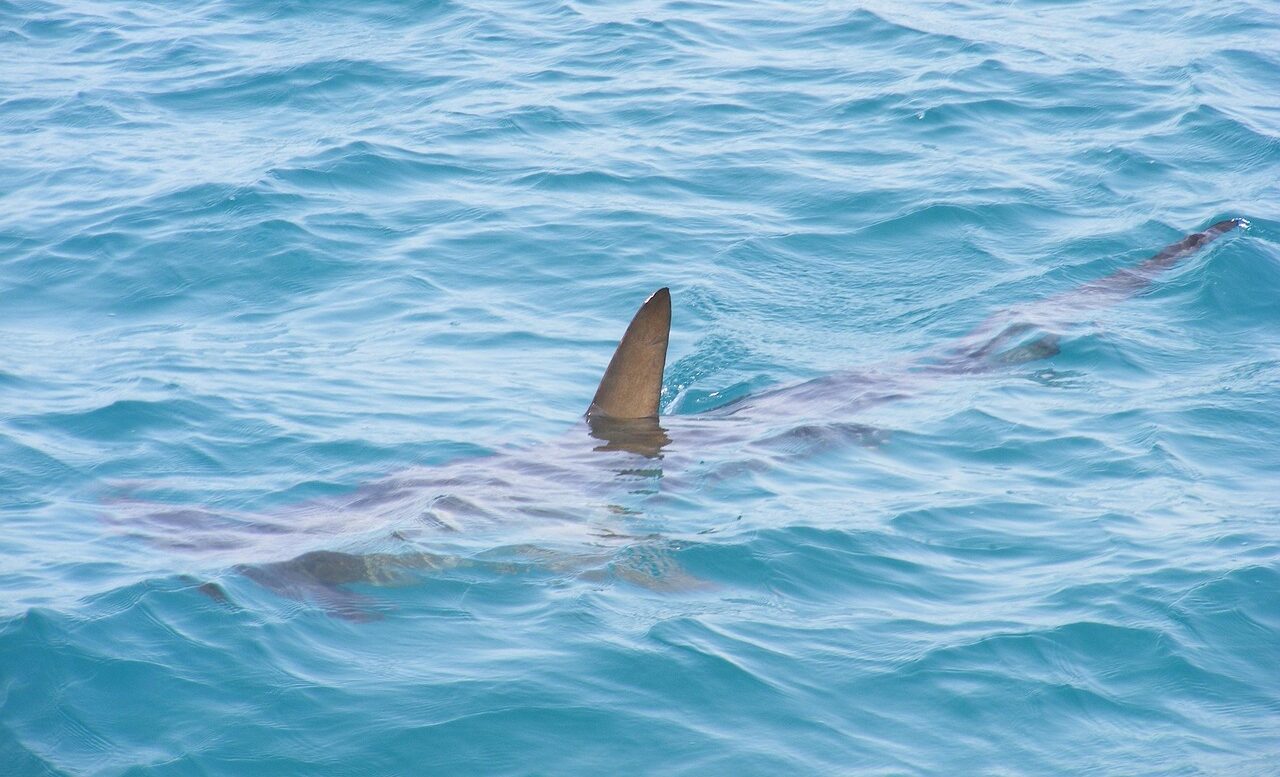
Only a small number of species — mainly white sharks, tiger sharks, bull sharks, and whaler sharks — are responsible for most serious incidents.
Australia is home to hundreds of other species that come in many shapes and sizes, including:
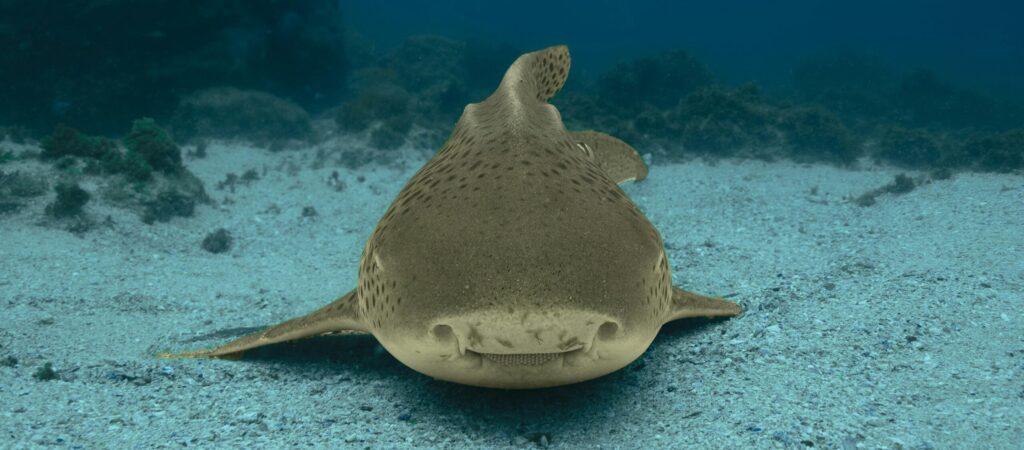
- zebra sharks
- Port Jackson sharks
- epaulette sharks
- reef sharks
- nurse sharks
- wobbegongs
- whale sharks
…And more!
These species are generally shy, gentle, or uninterested in humans.
With more than 400 shark species worldwide — each playing an important role in maintaining healthy marine ecosystems — there is far more diversity and ecological value than the headlines suggest see our article coming soon.
What To Do If You See A Shark
This article focuses on prevention.
For a calm, evidence‑based guide on how to respond during an encounter, read: What to Do If You See a Shark
The Bottom Line
You don’t need to fear the ocean — just understand it.
By paying attention to conditions, avoiding higher‑risk situations, and respecting marine wildlife, you significantly reduce the already small chance of a shark encounter.
Being shark smart is about balance: enjoying the ocean while giving sharks the space they need.