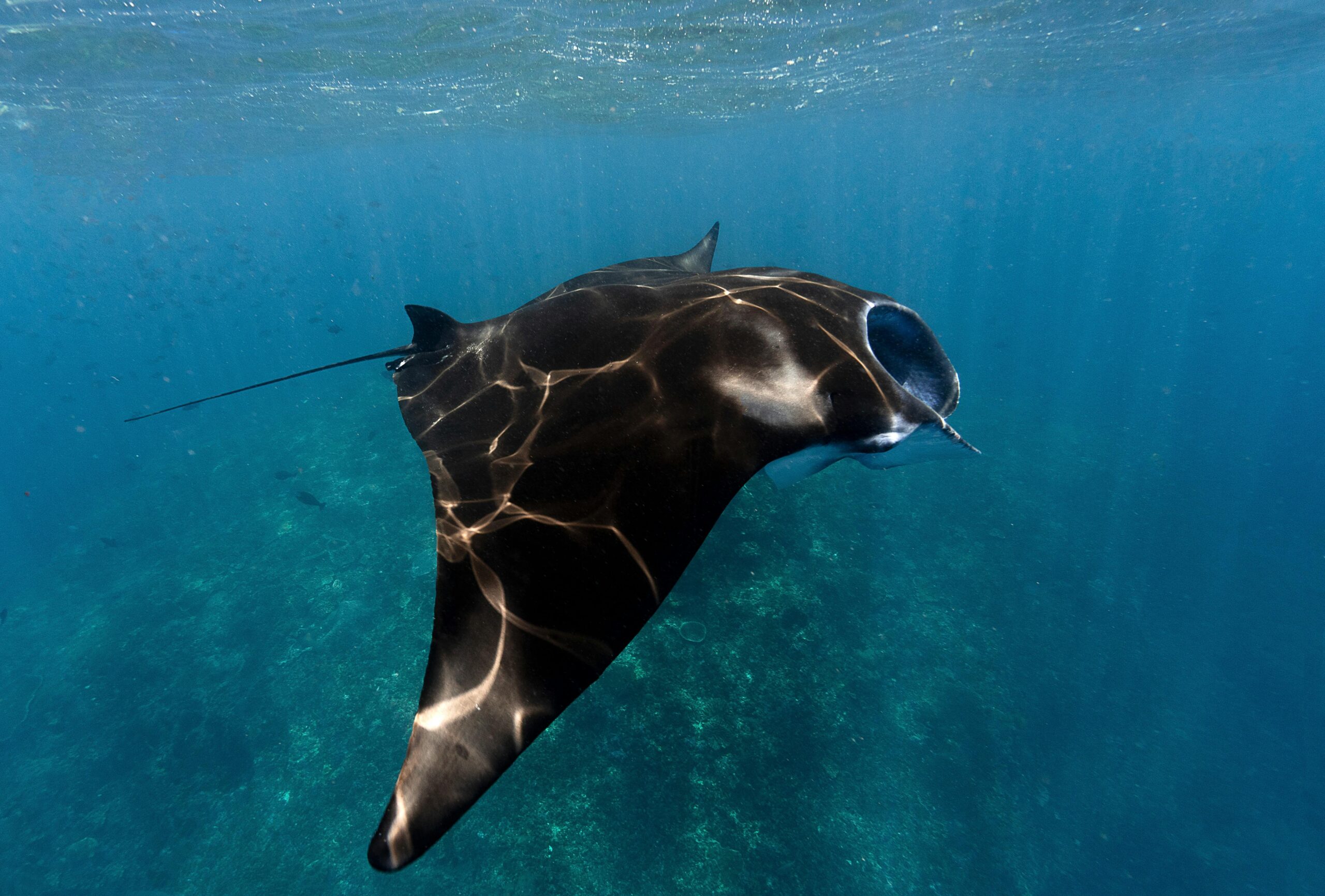
A majestic manta ray gracefully swims through clear ocean waters, showcasing its elegant form.

Lady Elliot Island Travel Guide: Snorkelling, Wildlife & How to Plan Your Trip

Lady Elliot Island is one of the most rewarding places to visit on the Great Barrier Reef. Small, peaceful, and surrounded by clear water, the island offers some of the best shore-based snorkelling in Queensland. You can walk straight from the beach into healthy coral reef systems filled with turtles, reef sharks, rays, and huge schools of fish.

Unlike many reef destinations that rely heavily on long boat trips, much of the wildlife here is accessible just metres from shore. Whether you’re visiting for manta ray season, turtle hatchlings, or simply to experience a quieter part of the Great Barrier Reef, Lady Elliot Island delivers an experience that feels far more wild and personal than most reef holidays.

Best Time to Visit

Lady Elliot Island is a year-round destination, but conditions and wildlife encounters change throughout the year.

Winter (June–August)

Best for:

  • Peak manta ray season
  • Clear water and excellent visibility
  • Mild temperatures and comfortable conditions

Winter is widely considered the best time for Lady Elliot Island snorkelling and diving, particularly if manta rays are your priority.

Summer (November–March)

Best for:

  • Turtle nesting and hatchlings
  • Warmer water temperatures
  • Increased seabird activity

Summer brings warmer, more tropical conditions and excellent wildlife activity both above and below the water.

Autumn & Spring

Best for:

  • Balanced weather conditions
  • Good visibility
  • Fewer visitors

These shoulder seasons are often ideal for travellers wanting a quieter experience without sacrificing snorkelling quality.

Getting There

Lady Elliot Island is only accessible by small propeller aircraft carrying around 8–12 passengers. Flights operate from:

  • Bundaberg
  • Hervey Bay
  • Brisbane
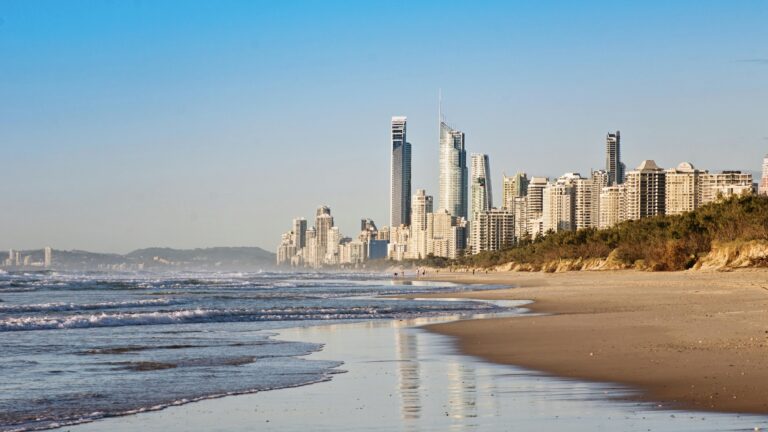
  • Gold Coast

Most visitors either stay overnight on the island or visit as part of a Lady Elliot Island day trip.

What the Flight Is Like

These aircraft are much smaller than commercial planes, so you’ll feel more movement during the flight — especially if conditions are windy — but it never feels unsafe.

If you’re flying from Brisbane or the Gold Coast, the views are incredible. The flight follows the Queensland coastline before crossing open ocean, where the turquoise reef suddenly appears in the middle of deep blue water.

Seeing Lady Elliot Island from the air is part of the experience itself: a small coral cay surrounded by bright reef flats, white beaches, and vivid blue water.

During whale season, it’s even possible to spot humpback whales from the plane, and pilots will sometimes do a scenic flyby of the island before landing.

A Useful Tip:

Ask which side of the plane faces the coastline before boarding. The opposite side mostly looks out over open ocean.

Things to Know Before You Go

  • Reef shoes are highly recommended due to coral rubble around the shoreline
  • Mobile reception and Wi-Fi can be limited
  • The island is small and easy to explore on foot
  • Weather conditions can occasionally affect flights
  • Snorkelling conditions change depending on tides and wind direction
  • Book early during manta ray season and school holidays

Life on the Island

Lady Elliot Island is simple, quiet, and heavily focused on nature rather than luxury.

The resort is low-impact, solar-powered, and intentionally unplugged. Meals and snorkel gear are included with all stays, and most days revolve around tides, wildlife activity, and time spent in the water.

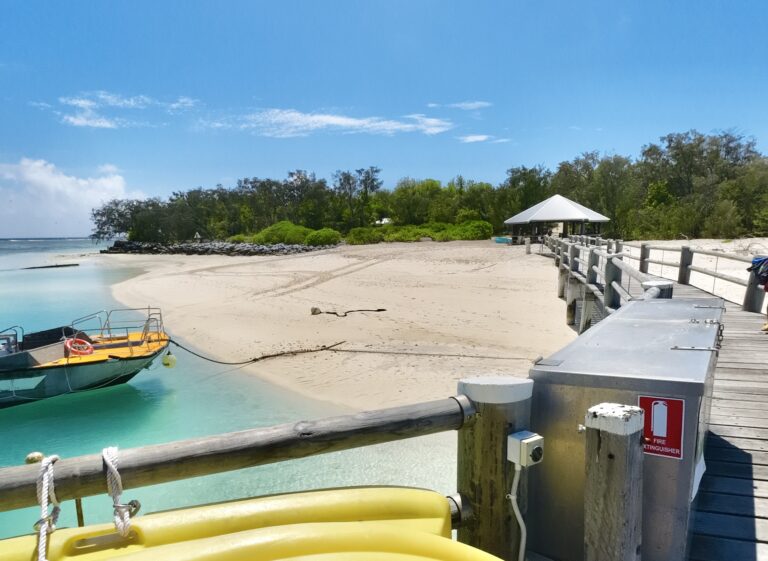
The island itself is made mostly of coral rubble rather than soft sand, so reef shoes make walking along the beach much easier. Sun lounges and shaded areas are scattered throughout the resort for relaxing between snorkels.

One of the best parts of staying on the island is how peaceful everything feels once day visitors leave. At night, the island becomes incredibly quiet apart from seabirds calling overhead and waves breaking on the reef.

Snorkelling Guide

One of the biggest reasons people visit is the incredible Lady Elliot Island snorkelling, particularly because so much of it is accessible directly from shore.

The reef layout is relatively simple:

  • Eastern side: Lagoon
  • Western side: Coral Gardens & Lighthouse Bommies

On the western side, two buoy lines mark the snorkelling areas — one closer to shore and another further out along the deeper reef edge.

Lagoon (Eastern Side)

The lagoon is shallow, protected, and packed with marine life, making it one of the best places for beginner snorkellers on Lady Elliot Island.

Best for:

  • Beginners
  • Turtle encounters
  • Calm conditions

Access:

  • Easy beach entry
  • Cannot be snorkelled properly at low tide

What You’ll See

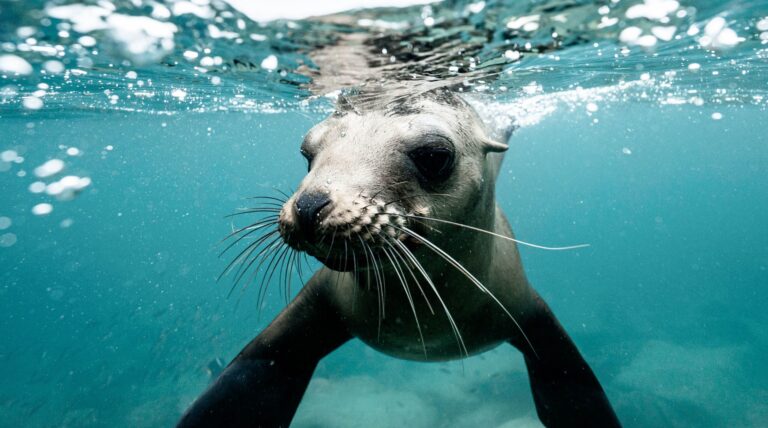
  • Green turtles (extremely common)
  • Hawksbill turtles
  • Octopuses hiding among coral heads
  • Giant clams
  • Blacktip reef sharks
  • Grey reef sharks along deeper edges
  • Epaulette sharks at night

Tip

The green buoy further out marks a turtle cleaning station where it’s common to see multiple turtles gathered together at once.

Coral Gardens (Western Side)

This area is excellent for longer snorkels because the reef structure changes constantly as you move along the coastline.

Best for:

  • Coral diversity
  • Fish life
  • Drift snorkelling

Access:

  • Beach entry

Getting There

From the resort, you’ll need to cross the airstrip and follow the path down to the western beach.

The walk is flat and easy, but it can feel surprisingly long on hot days — especially if you’re carrying fins, cameras, or dive gear.

What You’ll See

  • Large coral bommies and branching coral
  • Canyon-like coral formations and overhangs
  • Schools of fusiliers, surgeonfish, and butterflyfish
  • Parrotfish, angelfish, wrasse, and damselfish
  • Turtles
  • Reef sharks cruising the deeper edge

Lighthouse Bommies (South-West)

Lighthouse Bommies is the island’s signature snorkel and dive site, and one of the best places to see manta rays on the Great Barrier Reef.

Best for:

  • Manta rays
  • Reef sharks
  • Deeper snorkelling

Access:

  • Beach entry

Getting There

From the resort, you’ll need to cross the airstrip and follow the path down to the western beach.

The walk is flat and easy, but it can feel surprisingly long on hot days — especially if you’re carrying fins, cameras, or dive gear.

What You’ll See

  • Manta rays at cleaning stations near the outer buoy
  • Reef sharks
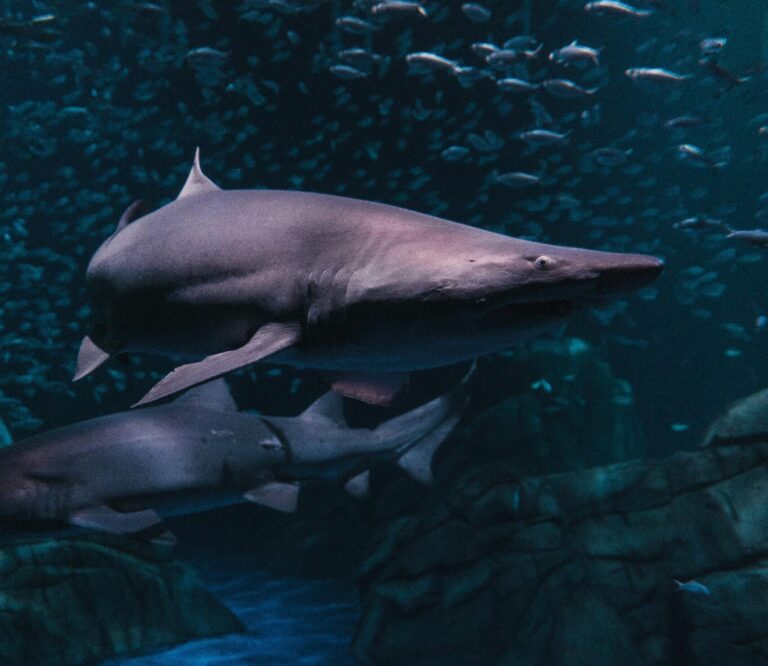
  • Tawny nurse sharks
  • Schools of trevally and batfish

The reef here feels much more like a true outer reef edge, with dramatic drop-offs and deep blue water only metres from shore.

Currents can become strong, so drift snorkelling is common. Most people enter near Lighthouse Bommies and allow the current to carry them back toward Coral Gardens.

Diving on Lady Elliot Island

Diving on Lady Elliot Island opens up the deeper layers of the same reef systems snorkellers explore from shore — just with more structure, more space, and more encounters with manta rays, reef sharks, and larger fish. Most sites sit only a few minutes from the island by boat, and visibility regularly exceeds 20 metres.

What Divers Can Expect Overall

  • Regular encounters with manta rays, reef sharks, tawny nurse sharks, and seasonal leopard sharks
  • Caves, ledges, and deeper bommies not accessible from snorkelling sites
  • Healthy coral systems with large schools of fish
  • Short boat rides and small dive groups
  • Excellent visibility and generally relaxed diving conditions

The island’s dive sites fall into two main zones: the eastern ledge system and the western bommies.

Eastern Ledge System (10–25 m)

This side of the island is a continuous reef wall cut with caves, swim-throughs, and overhangs. It’s the most dramatic diving here — moving between open blue water and sheltered reef filled with fish and soft coral.

Blowhole

Twisting caves begin around mid-depth before dropping through the reef wall. Expect gorgonian fans, turtles resting in crevices, and schools of reef fish moving through the light.

Tubes

A series of swim-throughs and overhangs along the ledge, with dense coral growth, angelfish, jacks, and smaller reef species tucked into the structure.

Hiro’s Cave

A well-known manta ray site with a cleaning station around 16 metres. Turtles and reef fish are common here, with occasional silvertip sharks passing through.

These sites often link naturally, allowing for relaxed drift-style dives across multiple features.

Western Bommies & Channels (5–21 m)

The western side is shallower and more varied, with scattered bommies, sandy channels, and reef patches that attract both macro life and larger marine species.

Spider’s Ledge

A busy reef section with fusiliers, trevally, coral trout, moray eels, lionfish, nudibranchs, and mantis shrimp.

Maori Wrasse Bommie

Known for turtles and resting whitetip reef sharks, along with trumpetfish, Moorish idols, and groupers weaving through coral heads.

Anchor Bommie

A manta cleaning station beside an admiralty anchor now covered in soft coral and anthias, often offering close manta encounters.

Three Pyramids

A macro-focused site with leaf scorpionfish, cleaner shrimp, pipefish, glassfish, and occasional manta activity nearby.

Other Things to Do

Reef Walks

During low tide, guided reef walks allow visitors to explore exposed reef flats alongside marine biologists. These walks are a great way to learn about coral structure, giant clams, sea cucumbers, and reef ecology.

Glass-Bottom Boat Tours

A good option for non-swimmers or windy days. These tours often provide excellent views of turtles, rays, coral bommies, and large fish schools.

Marine Education Talks

Daily presentations cover topics such as manta rays, turtle conservation, seabirds, and reef ecology.

Island Walks

Short walking tracks circle much of the island, including routes to the lighthouse, lagoon viewpoints, and western beaches.

Relaxation

Between snorkels, most people simply spend time resting in shaded areas, watching seabirds overhead, or enjoying the view across the reef.

Why Lady Elliot Island Is Worth Visiting

Lady Elliot Island feels different from many reef destinations because everything revolves around the water. You don’t need long boat rides or complicated tours — turtles, manta rays, reef sharks, and coral gardens are all accessible straight from shore.

The island combines some of the best snorkelling on the Great Barrier Reef with a quieter, more nature-focused atmosphere that’s increasingly hard to find elsewhere in Queensland.

For travellers looking for healthy reef systems, incredible wildlife encounters, and easy access to world-class snorkelling and diving, Lady Elliot Island is hard to beat — just ask us! See our blog post: My First Dive With Manta Rays: Lady Elliot Island

Explore More

Scroll to Top