Rusting shipwrecks sitting in impossibly clear water aren’t what most people expect to find less than two hours from Brisbane. Yet Moreton Island (Mulgumpin) is home to one of Australia’s most unusual snorkelling sites — a line of deliberately sunken ships that have transformed into a thriving artificial reef.
The wrecks may be the island’s most famous attraction, but they’re only part of the story. From turtle-filled shallows and remote beaches to towering sand dunes and inland lakes, Moreton Island offers a rare mix of adventure, wildlife, and accessibility.
Getting to Moreton Island
Your transport choice really depends on the kind of day you want to have. The crossing from Brisbane takes around 75 minutes and is usually pretty comfortable, though seasickness tablets are worth considering if you’re prone to motion sickness.
Passenger Ferry (Tangalooma Resort Ferry)
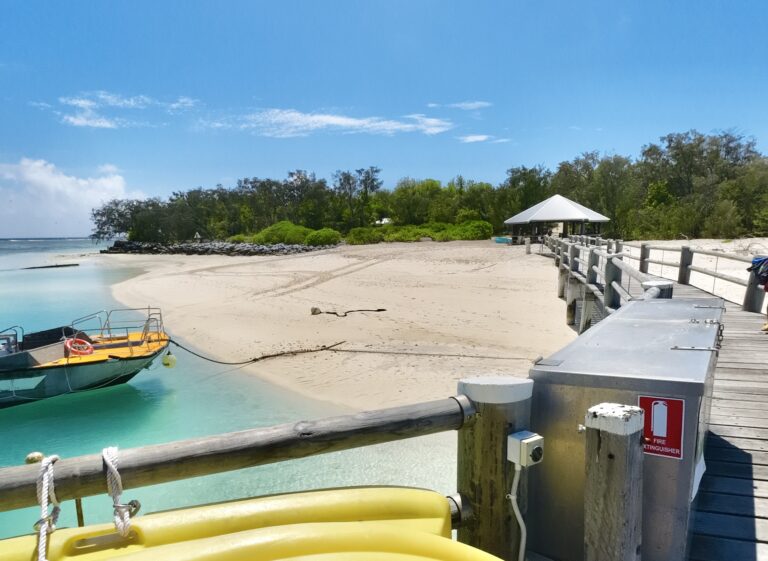
If you’re catching the resort ferry, you’ll arrive at the Tangalooma jetty. From there, the wrecks are a decent walk up the beach — a beautiful stretch of coastline, but long enough that you’ll want to factor it into your timing and the amount of gear you’re carrying.
Vehicle Barge (Day-Trip Option)
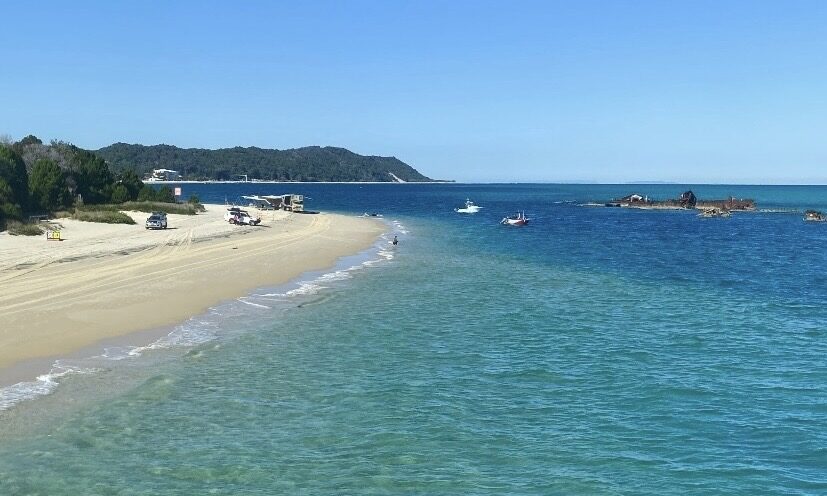
If you’re doing a day trip on the vehicle barge, you’ll be dropped off right beside the wrecks. It’s only a short walk from the sand to the water, making it the most convenient option for anyone wanting to maximise snorkel time without the long beach walk.
The Moreton Island Wrecks: A Short History
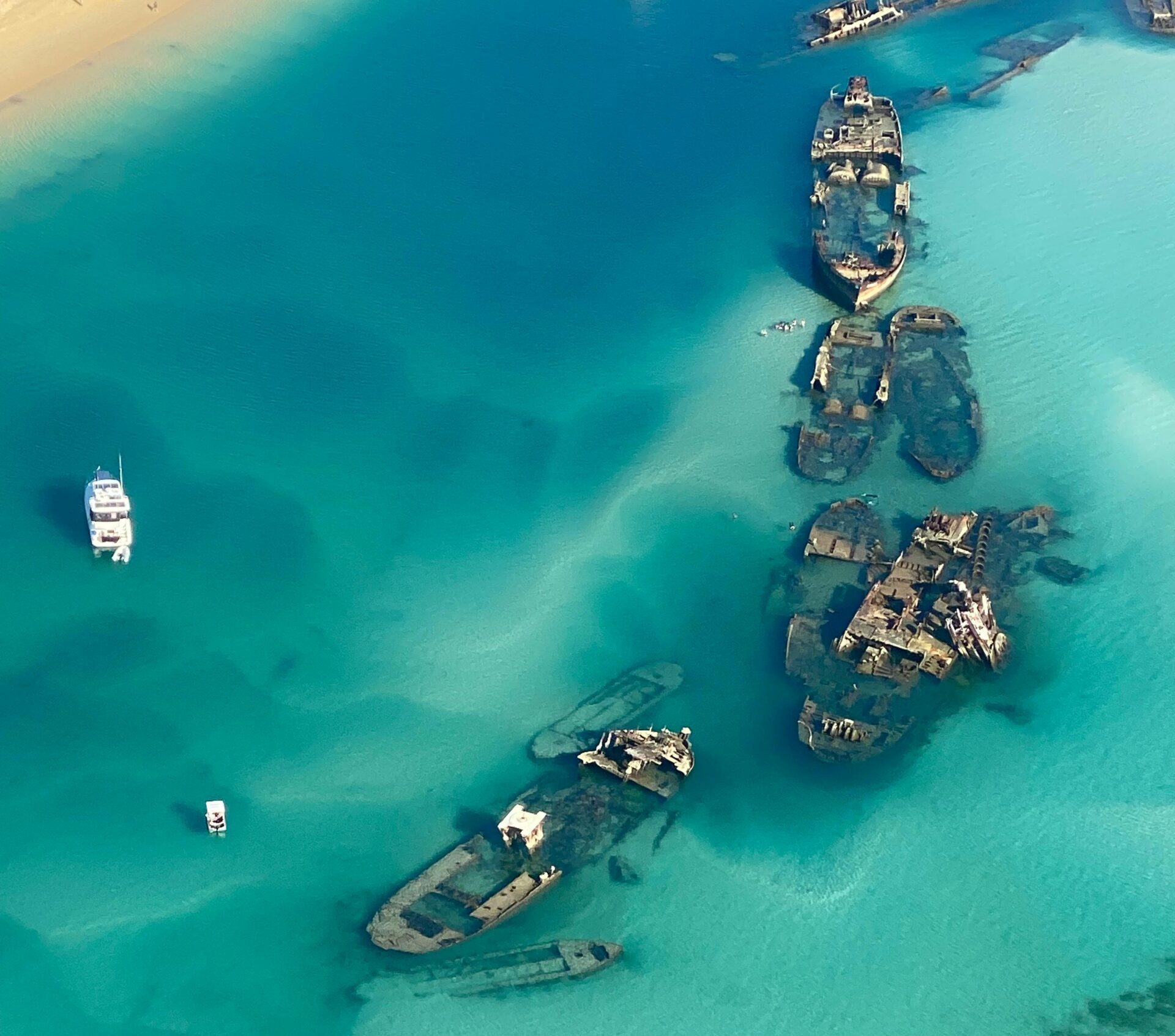
The wrecks are made up of 15 old vessels — dredges, barges, and fishing boats — intentionally sunk offshore to create a sheltered anchorage for small boats. The idea was simple: line up a chain of retired ships to act as a breakwall, protecting the beach from swell and giving recreational boaters a safe place to moor.
Today, the wrecks sit just offshore in shallow turquoise water, their rusted hulls breaking the surface while fish, corals, turtles, rays, and sharks move through the structures below.
What makes the wrecks especially interesting is how thoroughly nature has reclaimed them. Over time, the vessels became covered in algae, sponges, corals, and other marine growth, attracting increasing numbers of fish and larger predators. Today, the structures form a thriving artificial reef system, with rusted ribs, coral patches, and narrow swim-throughs that feel far more like a living reef than a collection of old ships.
Snorkelling on Moreton Island
Snorkelling is one of the island’s biggest drawcards, and the wrecks are just the beginning. Conditions are generally beginner-friendly, with shallow depths, clear water, and plenty of marine life.
Visibility varies with weather and tides but commonly ranges from 5–15 metres, occasionally becoming much clearer during calm winter conditions.
Moreton Island Wrecks
The wrecks are the island’s most popular snorkelling site and the reason many people visit. Sitting in 2–10 metres of water, the 15 vessels form a shallow artificial reef that’s easy to explore and suitable for a wide range of experience levels. The line of vessels also helps create relatively sheltered conditions compared to many open-water snorkelling sites.
What you might see:
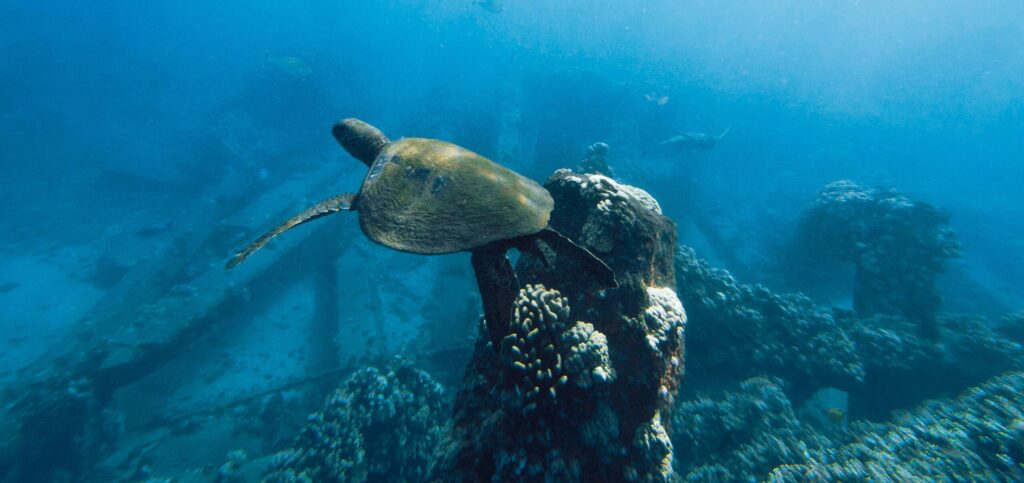
- Turtles
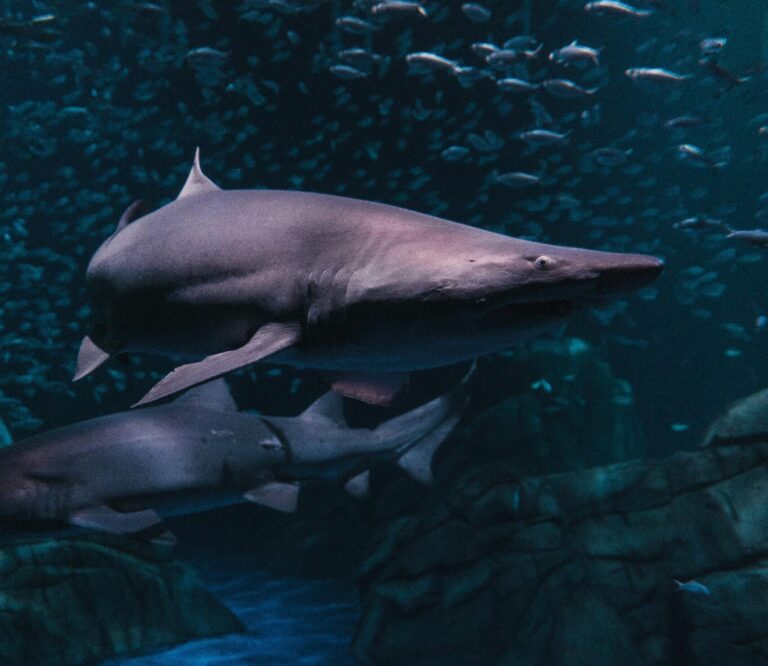
- Wobbegongs
- Angelfish
- Butterflyfish
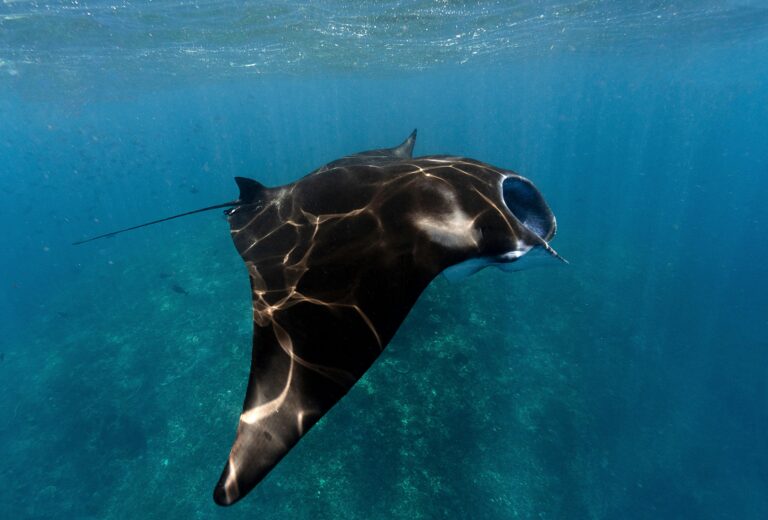
- Rays
- Squid
- Coral patches
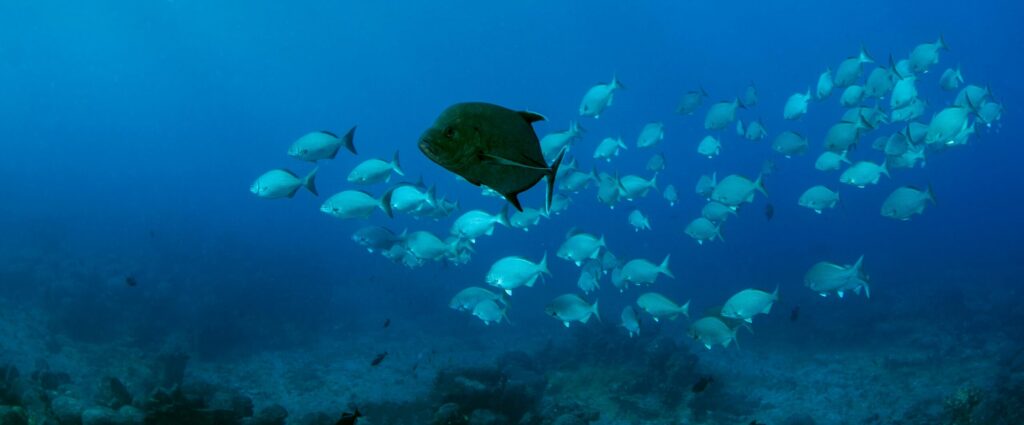
- Dense schools of small fish
The channel between the beach and the wrecks can have a mild current, but confident swimmers usually manage it easily.
Cowan Cowan & Bulwer Reefs
North of the wrecks, the reefs around Cowan Cowan and Bulwer offer a quieter alternative. Shallow reef flats, coral bommies, and sandy channels make these areas ideal for relaxed snorkelling away from the crowds.
What you might see:
- Small coral bommies
- Reef fish
- Rays
- Sandy channels
Eastern Side Reefs
The island’s eastern coastline offers a more natural reef experience, with scattered reef patches along the surf beaches. Visibility can be exceptional on calm days, though these sites are more exposed to wind and swell and are best suited to experienced snorkellers.
What you might see:
- Hard corals
- Wrasse
- Butterflyfish
- Turtles
Diving on Moreton Island
While the wrecks attract most first-time visitors, several excellent dive sites lie beyond them. These locations offer deeper reefs, greater coral cover, and the chance to encounter larger marine life.
Most dive operators access these sites by boat from Brisbane or Moreton Island, with conditions determining which locations can be visited on any given day.
Flinders Reef
One of the healthiest coral reefs near Brisbane, Flinders Reef is widely regarded as one of the region’s best dives. Coral-covered bommies, clear water, and abundant marine life make it a favourite among local divers.
What you might see:
- Turtles
- Reef sharks
- Rays
- Dense fish life
- Coral gardens
Curtin Artificial Reef
Curtin Artificial Reef is a large man-made reef created from sunken structures and concrete modules. The site attracts impressive numbers of fish and occasionally larger pelagic species.
What you might see:
- Big schools of fish
- Wobbegongs
- Rays
- Pelagic species
Eastern Side Reefs
The deeper reef ledges and drop-offs along the eastern side of the island provide a more natural diving experience. Conditions can vary, but on good days these reefs offer excellent visibility and diverse marine life.
What you might see:
- Hard corals
- Wrasse
- Trevally
- Leopard sharks (summer)
Other Things to Do
While most visitors come for the wrecks, many end up spending just as much time exploring the island itself.
Moreton Island is one of Queensland’s most adventure-packed islands. Families especially love it because there’s so much to do, and most activities are easy, fun, and outdoorsy.
Popular options include:
- Sand tobogganing on the island’s giant dunes
- Dolphin feeding at Tangalooma Resort
- Helicopter flights over the wrecks and sand formations
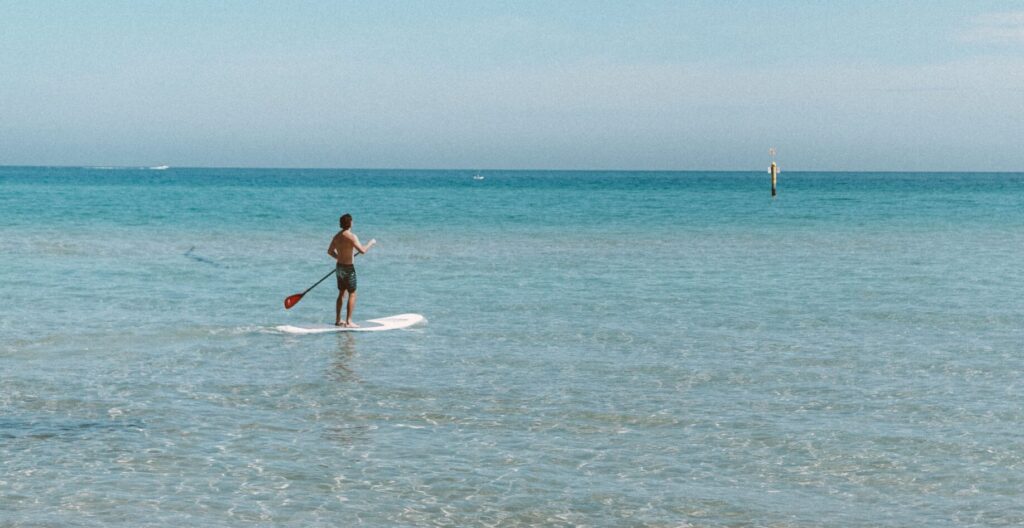
- Kayaking and stand-up paddleboarding around the wrecks
- 4WD adventures to Cape Moreton Lighthouse, Blue Lagoon, and the desert
- Whale watching in winter from the headlands
- Quad biking, snorkel tours, and marine discovery cruises
It’s the kind of place where you can pack a day with activities or do nothing at all — both feel equally right.
Staying on the Island
Moreton Island has a mix of accommodation options:
- Tangalooma Island Resort — the main hub, with rooms, villas, restaurants, and a huge list of activities
- Holiday rentals — available at Tangalooma, Cowan Cowan, and Bulwer
- Camping — beachfront and remote sites managed by Queensland Parks, including some of the island’s most scenic locations
Staying overnight gives you access to quieter mornings, calmer water, and the chance to explore beyond the main beach. Staying overnight also gives you a chance to experience the island at its quietest, before the day-trippers arrive and after they leave.
What to Bring
- Snorkel gear (unless hiring)
- Reef-safe sunscreen
- Water and snacks
- Hat and sun protection
- Wetsuit during winter
- Dry bag for electronics
Best Time of Year to Visit
Moreton Island is visitable year-round, but conditions vary:
- Summer (Dec–Feb): Warm water, lively marine life, busiest season
- Autumn (Mar–May): Generally calm seas and good visibility
- Winter (Jun–Aug): Clear water, fewer crowds, cooler but still snorkel-friendly with a wetsuit
- Spring (Sep–Nov): Warming water and increasing wildlife activity
For snorkelling, late autumn to early spring often brings the clearest water.
Is Moreton Island Worth the Trip?
Moreton Island delivers the kind of day that feels full from start to finish. You can snorkel with turtles in the morning, slide down a sand dune in the afternoon, and watch dolphins cruise past the jetty at sunset. If you stay longer, the island opens up even more — remote beaches, inland lakes, reef flats, and dive sites that feel far removed from the city.
Few places let you swim through shipwrecks, spot turtles, climb giant sand dunes, and be back in Brisbane the same day. That’s what makes Moreton Island special — it feels far more remote than it actually is.
Want a first-hand account of what it’s like snorkelling the wrecks? Check out our post: A Day Diving at the Moreton Island Shipwrecks