Imagine removing a single species from an ecosystem.
Not a habitat. Not dozens of animals. Just one.
It might seem like a small change in an ocean filled with millions of organisms. Yet in some cases, the loss of a single species can trigger changes that spread throughout an entire ecosystem.
Scientists have discovered that certain species exert an influence far greater than their abundance would suggest. Remove them, and the effects can ripple through food webs, habitats, and entire communities of life.
The Ocean’s Most Influential Species
Every species plays a role within an ecosystem, but some have a much greater influence than others.
Ecologists refer to these highly influential organisms as keystone species. While they are often not the most abundant species in an ecosystem, their presence helps maintain the structure and balance of the communities around them.
Keystone species are not necessarily the largest, rarest, or most abundant organisms in an ecosystem. In some cases, they can be surprisingly small or overlooked.
Not all keystone species exert their influence in the same way. Some regulate populations through predation, some support entire food webs, and others create the habitats that countless species depend on.
Keystone Predators
Some keystone species influence ecosystems through predation.
Predators don’t just affect the animals they eat. By controlling prey populations, they can indirectly influence many other species throughout an ecosystem.
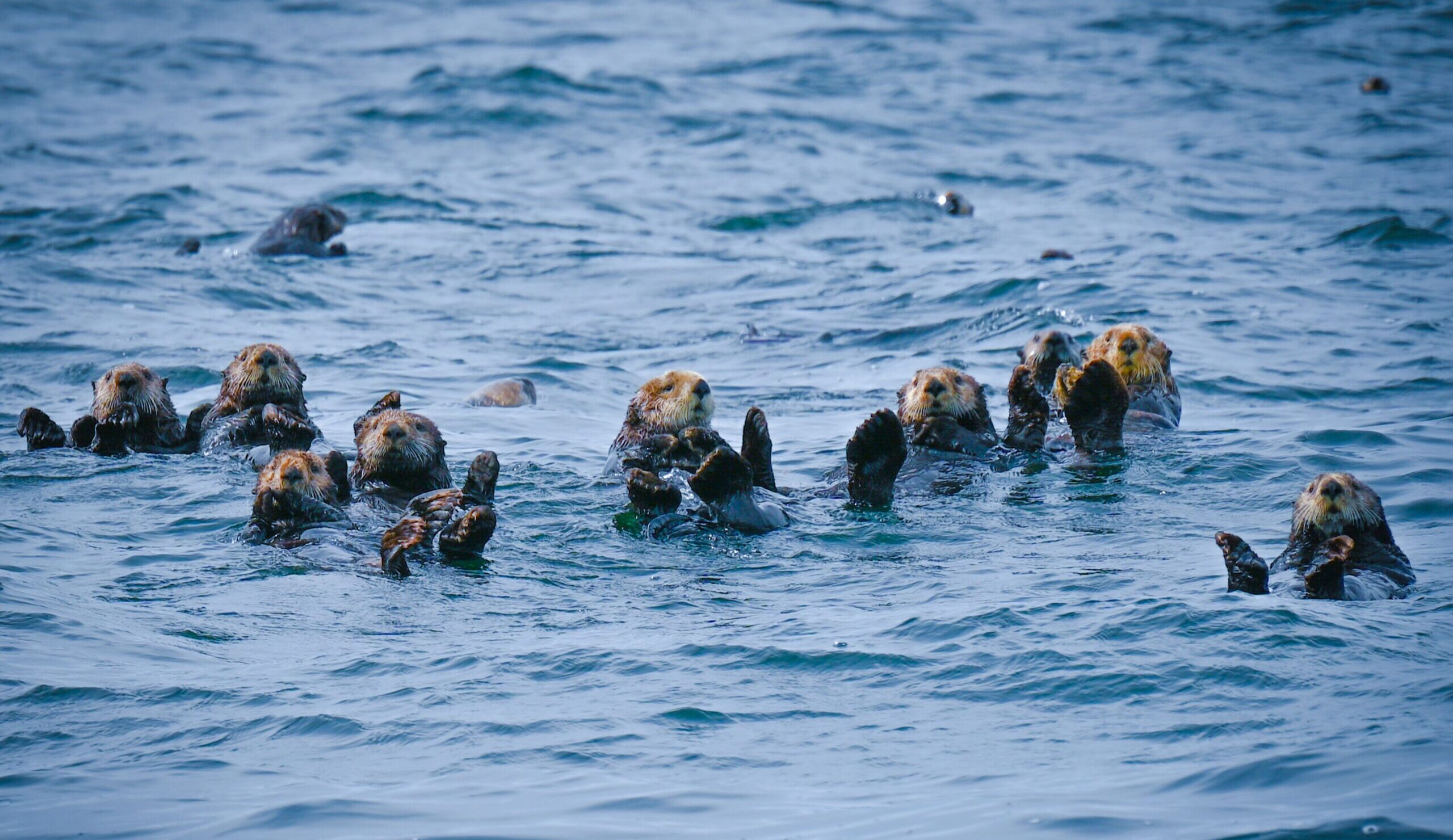
A classic example is the sea otter.
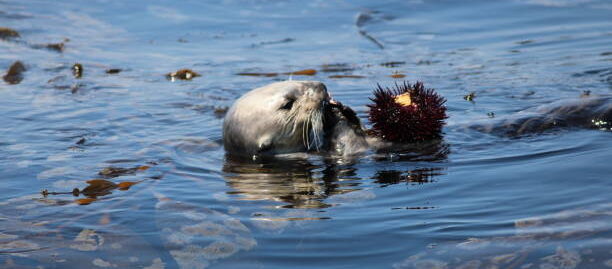
Sea otters feed on sea urchins, while sea urchins feed on kelp. When otter populations are healthy, they help keep urchin numbers under control, allowing vast kelp forests to thrive. When otters decline, urchin populations can increase dramatically and overgraze kelp, transforming underwater forests into rocky “urchin barrens.”
This matters because kelp forests provide food, shelter, and nursery habitat for hundreds of species. Through their influence on a single prey species, sea otters help shape an entire ecosystem.
Trophic Cascades: The Domino Effect of Nature
The relationship between sea otters, sea urchins, and kelp is an example of a trophic cascade.
A trophic cascade occurs when changes at the top of a food web trigger a chain reaction that spreads through lower levels of an ecosystem. Because predators regulate the abundance of species below them, their effects can extend far beyond the prey they directly consume.
In some cases, the loss of a predator allows prey populations to increase. Those prey species may then place greater pressure on the organisms they feed upon, creating a ripple effect throughout the food web.
Trophic cascades are most commonly associated with predators because they begin at the top of an ecosystem and work their way down through successive levels. They demonstrate how changes to a single species can sometimes influence organisms the predator never directly interacts with.
Another famous example comes from a rocky shoreline inhabited by predatory sea stars.
When scientists removed the sea stars, mussels rapidly expanded across the available space. As mussels became dominant, many other species lost the habitat they needed to survive.
Within a few years, biodiversity on the shoreline had declined dramatically.
The experiment became one of the most influential studies in ecology because it showed how the loss of a single predator could reshape an entire ecological community.
Keystone Prey
Not all keystone species are predators.
Some are important because so many other animals depend on them for food.
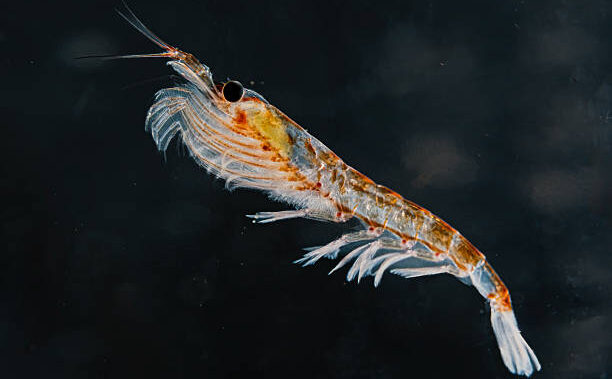
Antarctic krill are small shrimp-like crustaceans found throughout the Southern Ocean. Individually they are only a few centimetres long, but collectively they form one of the largest animal biomasses on Earth.
Krill are a major food source for:
- Whales
- Seals
- Penguins
- Fish
- Squid
- Seabirds
In some regions, entire food webs are built upon their abundance.
If krill populations were to decline significantly, the effects would be felt throughout the Southern Ocean. Predators would face greater competition for food, breeding success could decline, and populations of many larger animals could be affected.
Despite their size, krill help support some of the largest animals on the planet.
Ecosystem Engineers
Some keystone species influence ecosystems by physically creating habitat.
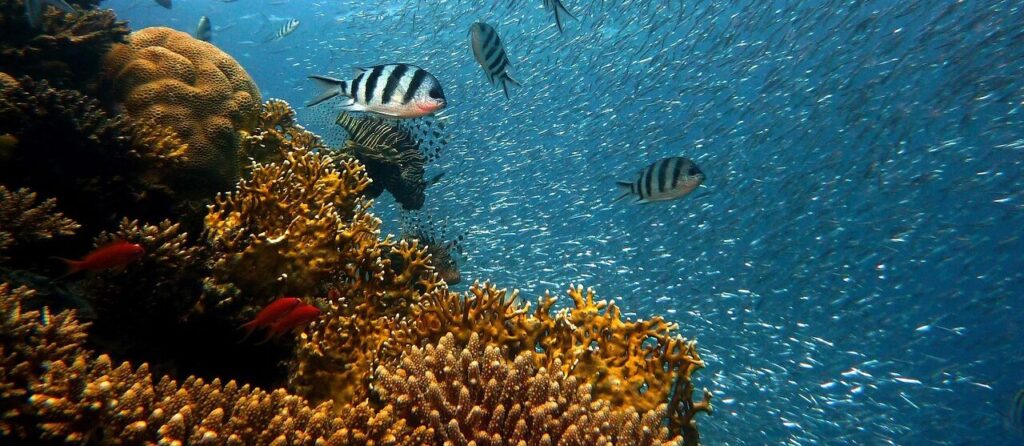
Corals are among the most important examples in the ocean.
Over thousands of years, coral colonies build the limestone structures that form reefs, creating shelter, feeding grounds, and breeding habitat for countless species.
Although coral reefs cover less than 1% of the ocean floor, they support roughly 25% of all marine species at some stage of their lives.
The importance of coral reefs extends beyond wildlife. An estimated 500 million people depend on reefs for food, income, tourism, or coastal protection.
Without corals, the reef ecosystem itself would cease to exist. The thousands of species that depend on reefs for food, shelter, and breeding habitat would lose the foundation on which the ecosystem is built.
Why This Matters
When people think about conservation, they often focus on protecting as many species as possible.
But ecosystems are not simply collections of individual species. They are networks of relationships.
Some species exert an influence far beyond their numbers. Predators can regulate food webs, prey species can support entire ecosystems, and habitat-forming organisms can create the conditions that allow thousands of other species to survive.
Understanding these connections helps explain why the loss of a single species can sometimes have consequences far greater than anyone expects.
The Threads That Hold Ecosystems Together
The ocean can seem impossibly vast, making it hard to imagine that a single species could influence an entire ecosystem.
Yet sea otters help shape underwater forests, krill support some of the largest animals on Earth, and corals create habitats for thousands of species.
These examples are a reminder that ecosystems are more than collections of plants and animals. They are networks of relationships.
Sometimes, changing just one species can change everything that depends on it.