
sand, dunes, nature, grass, shore, outdoors, beach

Why Sand Dunes Matter (And Why You Should Stay Off Them)

Stand on almost any beach and you’ll find them waiting just beyond the high‑tide line.

Most people barely notice them.

They’re walked past on the way to the water, climbed for a better view, or dismissed as little more than piles of windblown sand. Yet these quiet ridges are among the most important and overlooked features of the coastline.

The surprising thing is that many beachgoers don’t realise they’re looking at something far more complex — and far more fragile — than a simple mound of sand.

How Sand Dunes Are Built

The importance of dunes often becomes most obvious after they’re gone.

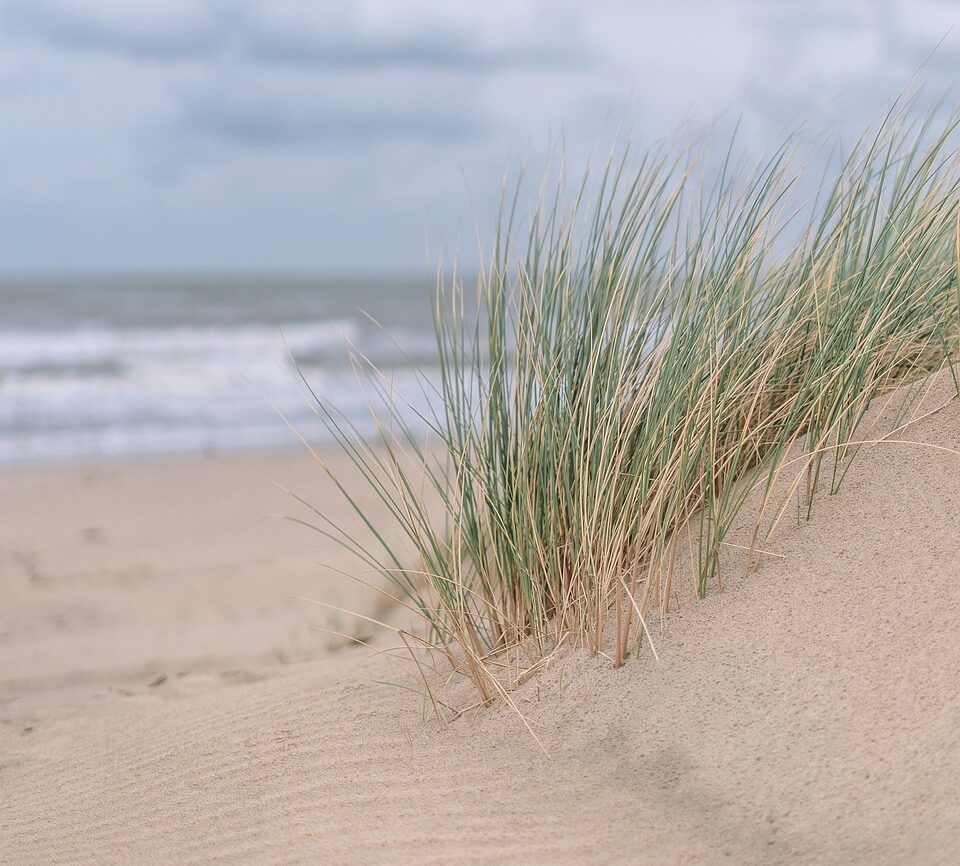
Sand dunes form through a slow, natural process driven by wind, waves, and vegetation. Dry sand is blown inland, where hardy coastal plants such as spinifex and beach grasses trap it with their stems and roots. As more sand accumulates, the dune gradually grows upward and outward.

These plants are the architects of the dune system. Their roots bind the sand, their leaves slow the wind, and their growth helps dunes recover after storms. Without vegetation, dunes cannot form or survive.

And while dunes take years to build, they can be damaged in a single afternoon — a contrast that shapes everything that follows.

Nature’s Coastal Defence System

Healthy dunes are one of the coastline’s most important natural defence systems. Acting as a buffer between the ocean and the land, they help absorb wave energy during storms and reduce erosion further inland.

They also store enormous amounts of sand. Dunes and beaches are not separate features but parts of the same system, constantly exchanging sand as conditions change.

During major storms, waves can strip metres of sand from a dune in a matter of hours. This can look destructive, but it’s a natural and expected process — the dune is releasing stored sand to help protect the coastline behind it.

When conditions calm, much of that sand gradually returns to the beach. Vegetation traps and stabilises it, allowing the dune to rebuild and prepare for future storms.

Without healthy dunes, many beaches lose one of their most important natural sources of sand replenishment and become increasingly vulnerable to erosion.

Replacing this natural protection is often expensive. Many coastal communities spend millions of dollars on beach nourishment projects, where sand is dredged or transported onto eroding shorelines. Healthy dune systems provide many of the same benefits naturally and continuously.

Along much of Australia’s coastline, dunes form the first line of defence against storms and cyclones, making their protection an essential part of long‑term coastal management.

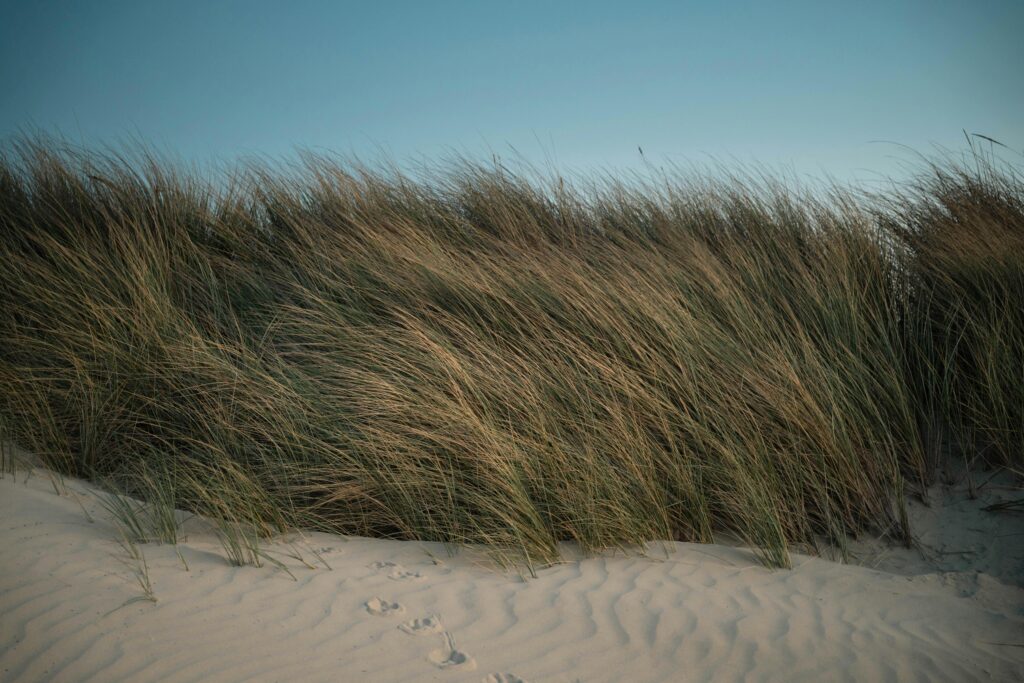
Serene view of coastal dune grass swaying gently in the sunset breeze, on a sandy beach.

Why You Shouldn’t Walk, Sit, or Lie on Dunes

The stability of a dune depends heavily on its vegetation.

Dune plants grow in harsh conditions — exposed to salt spray, wind, heat, and constantly shifting sand. Although they appear hardy, many are surprisingly vulnerable to disturbance.

Even a single footprint can break the crust of stabilised sand, exposing loose grains beneath. Damage to stems and root systems reduces the plants’ ability to trap and hold sand. As vegetation declines, wind and rain can remove sand more easily, increasing erosion and weakening the dune over time.

What begins as a small disturbance can eventually affect an entire section of dune.

Small Damage Can Take Years to Repair

Dunes recover much more slowly than they are damaged.

A path can form in a single day, but rebuilding the vegetation that stabilises that area can take years. Once a shortcut becomes established, repeated use widens it, prevents plants from regrowing, and accelerates erosion.

A weakened dune can lead to:

  • increased erosion during storms
  • a narrower beach over time
  • reduced protection for inland areas
  • slower recovery after large swells and extreme weather

What appears to be minor damage can have long‑lasting consequences.

More Than Just Sand

What can look like an empty stretch of sand is often a surprisingly busy ecosystem. Dunes provide food, shelter, nesting sites, and protection from tides and storms for a wide range of coastal species.

Common dune‑dependent wildlife includes:

  • shorebirds such as plovers, terns, and oystercatchers that nest in the upper beach zone
  • reptiles that use the warm sand for shelter
  • insects and pollinators that depend on native dune plants
  • turtle nesting sites in some regions, where dunes provide safe elevation above the tide line

Many of these species are already threatened or declining due to habitat loss.

For wildlife, dunes are one of the few relatively protected areas along the coastline. When people climb dunes, nests can be crushed, eggs can be exposed, and animals may abandon breeding sites altogether.

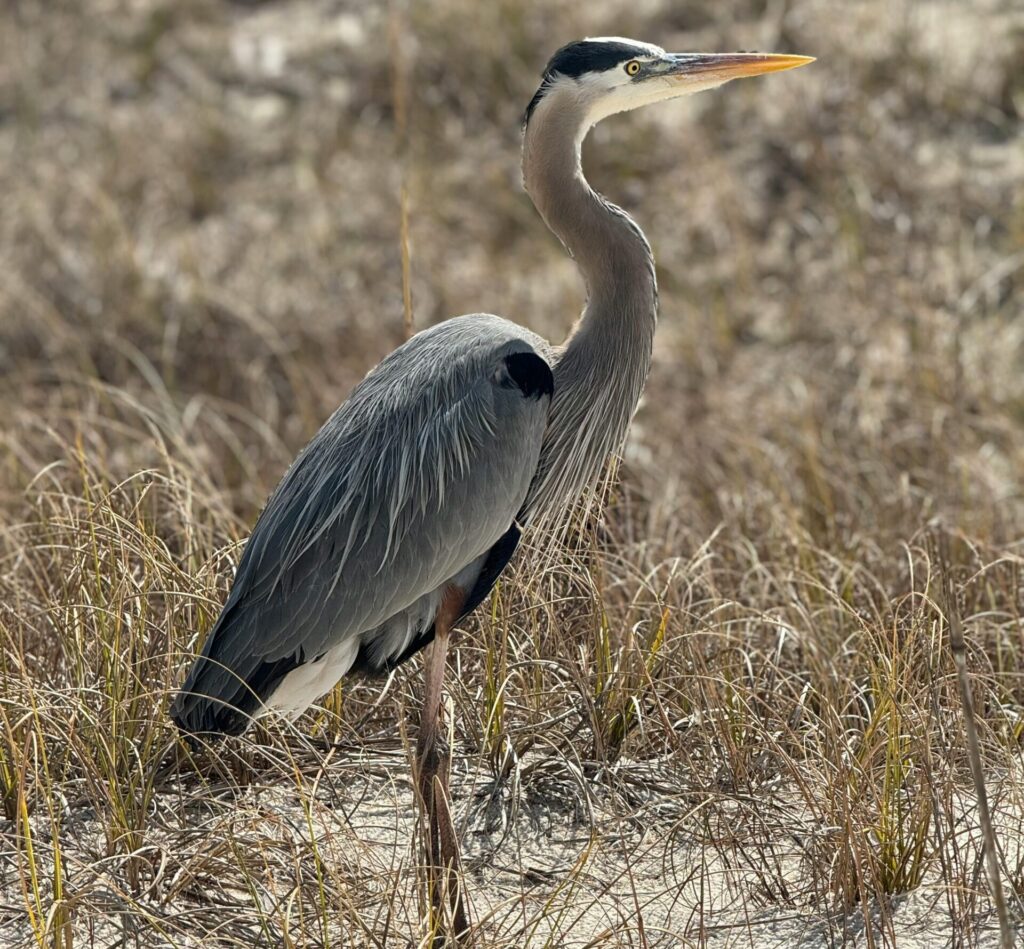
Majestic Great Blue Heron in the grassy dunes of Navarre, Florida.

Why dune fencing and access paths matter

Dune fencing and marked access paths are carefully placed to protect fragile areas.

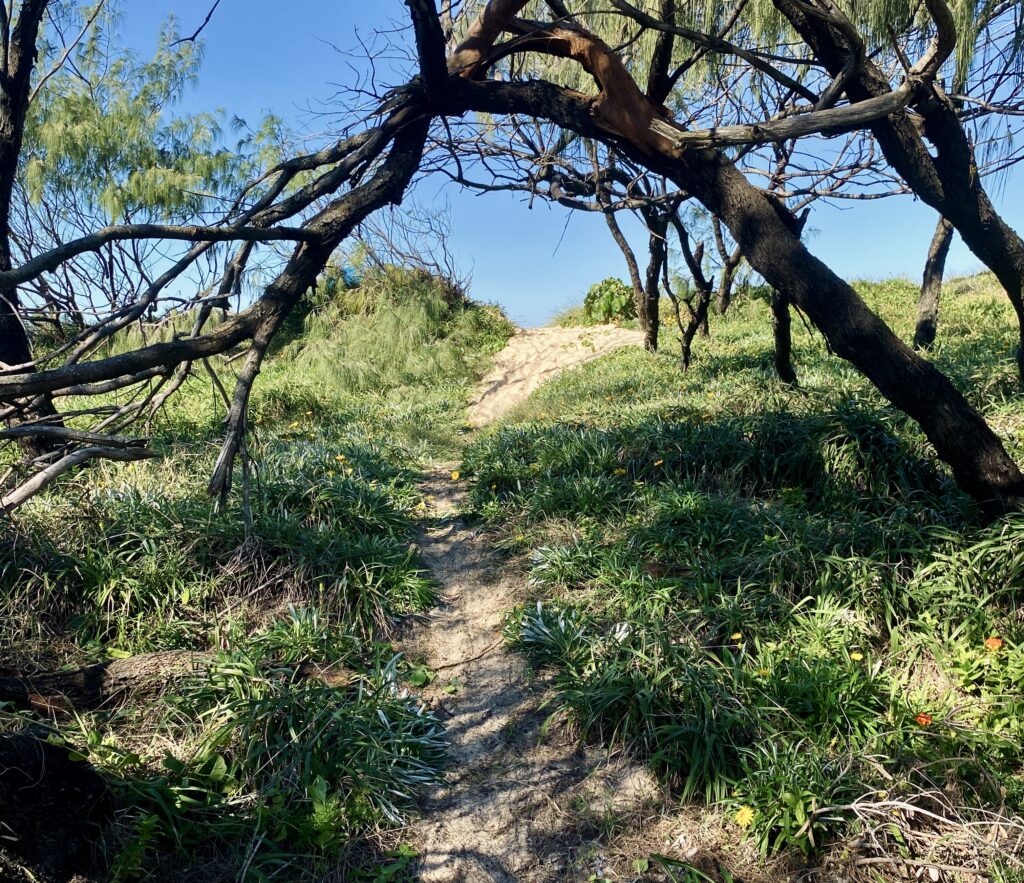
While access paths create a small amount of local disturbance, they prevent a much larger problem. By concentrating foot traffic into a single managed route, they protect the vast majority of the dune system from repeated trampling.

They also:

  • guide people along stable, low‑impact routes
  • prevent widespread damage to vegetation
  • stop erosion channels from forming
  • give dunes space to recover naturally after storms

These simple barriers are among the most effective tools available for long‑term coastal protection. Their placement is often informed by erosion modelling, habitat mapping, and local environmental conditions.

They’re not there to block the view — they’re there to keep the beach healthy.

How You Can Help Protect Them

  • Use designated access tracks instead of creating shortcuts
  • Stay off the dunes entirely, including the crest and slopes
  • Avoid climbing dunes for photos or views
  • Keep dogs away from dune vegetation and nesting areas
  • Respect fences and signs, even if the dune appears undamaged
  • Support local dune restoration projects and planting days
  • Report damaged fencing or obvious erosion to local councils

Small, everyday choices from beachgoers make a measurable difference.

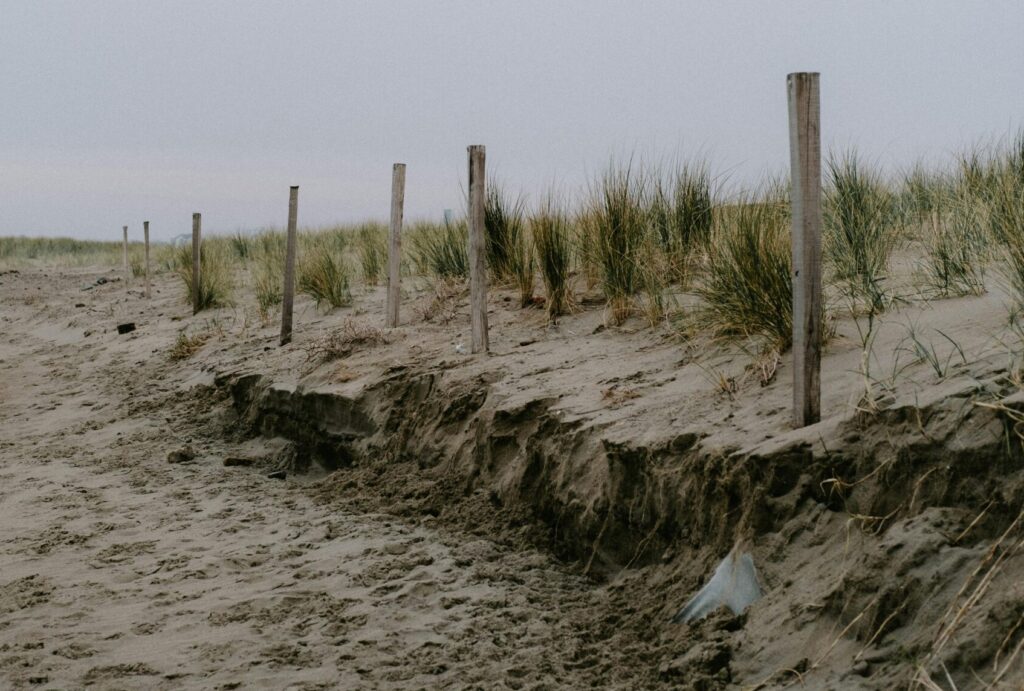
Quiet beach scene with wooden posts and grassy dunes under an overcast sky.

Takeaway

Sand dunes are far more than sandy hills behind the beach. They are dynamic systems that protect coastlines, store and supply sand, support wildlife, and help beaches recover after storms.

Without them, many beaches would be far more vulnerable to erosion and extreme weather.

Damage may seem small in the moment, but recovery can take years — and during that time the entire beach becomes more vulnerable.

The next time you walk onto a beach, it’s worth looking beyond the shoreline. The dunes behind you may be quietly protecting everything in front of you — including the very stretch of sand you’re standing on.

Explore More

Scroll to Top