Along many coastlines, the water looks ordinary—shallow, pale green, shifting gently with the tide. Nothing about it suggests that anything remarkable lies below. There are no bright colours, no towering structures, no obvious signs of activity. Just a quiet stretch of sea that most people pass over without a second thought.
But beneath that calm surface is a world shaped by a habitat so understated that it is often overlooked entirely.
This is the world of seagrass meadows.
These underwater fields stretch across bays, estuaries, and coastlines around the world, quietly shaping the ecosystems around them.
Far from being simple underwater grass, seagrass meadows quietly influence far more of the ocean than most people realise.
What Seagrass Is
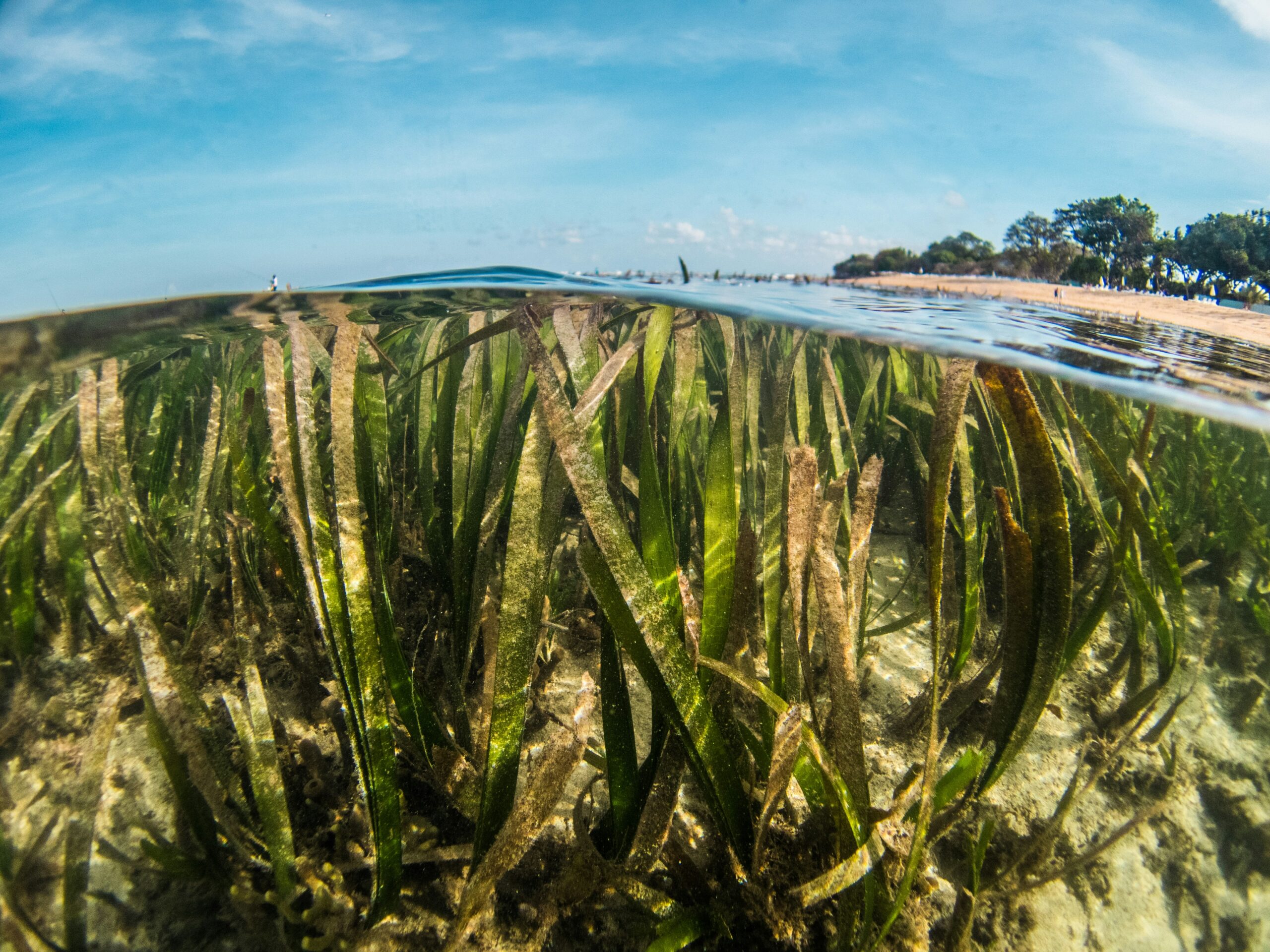
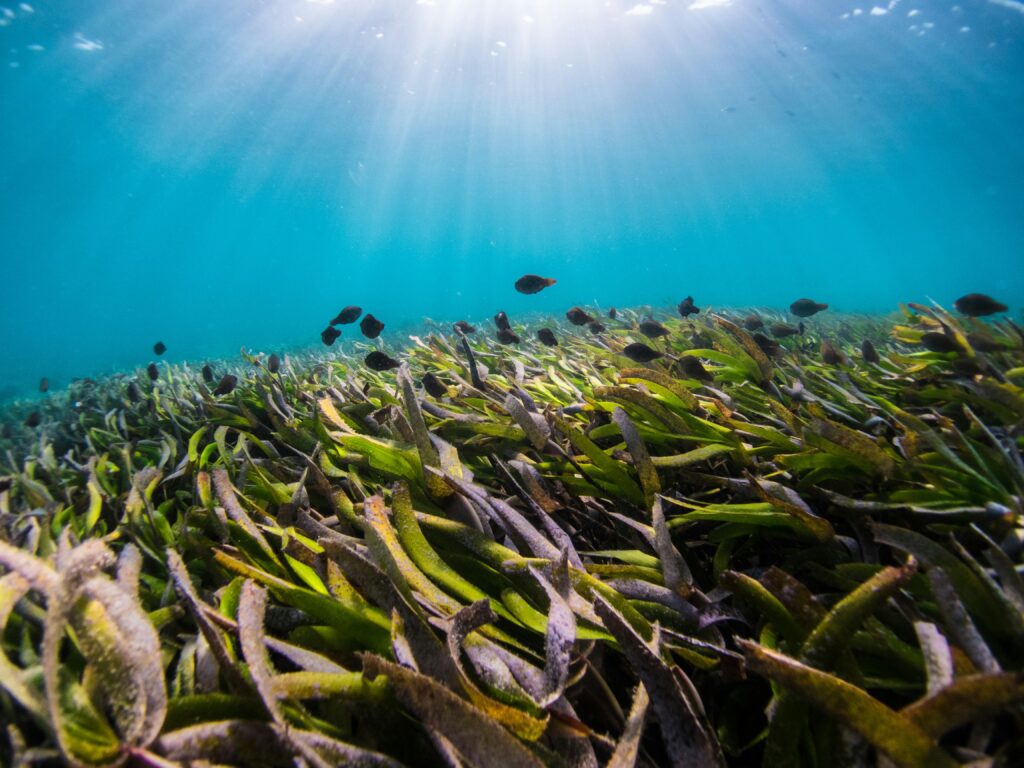
Seagrasses are marine plants that root themselves into the seafloor and grow in dense underwater meadows.
Unlike seaweed, they are true flowering plants with roots, leaves, pollen, seeds, and underground stems known as rhizomes.
And unlike land-based plants, instead of relying on insects, birds, or wind to reproduce, seagrasses release pollen into the water column, allowing currents to carry it to other flowers.
Over years, these meadows can spread and become surprisingly vast.
One of the most remarkable examples lies in Shark Bay, Western Australia. In 2022, researchers discovered that a seemingly ordinary meadow was actually a single plant, genetically identical across ~180 square kilometres. It had expanded from one seed over thousands of years through the continual spread of underground rhizomes, making it one of the largest organisms ever recorded.
Australia is a hotspot for seagrass abundance and species diversity, having one of the highest levels in the world. It contains more than 30 species and 3.5 million hectares of seagrass, accounting for roughly 11% of the world’s total.
How a Plant Changes the Coast
A Nursery for Young Marine Life
Seagrass meadows are a hub of life.
Among the leaves, juvenile fish, prawns, crabs, squid, and countless invertebrates find shelter during the most vulnerable stages of their lives. The dense vegetation provides food and protection from predators, creating a nursery habitat for a variety of species.
Many commercially important species, including whiting, bream, snapper, and tiger prawns, spend part of their early life among seagrass. Globally, seagrass supports more than one-fifth of the world’s largest fisheries despite covering less than 0.2% of the seafloor. In other words, a habitat occupying a tiny fraction of the ocean helps sustain a disproportionate amount of the seafood people rely on.
A Home for Coastal Wildlife
The meadow also supports an entire community of animals.
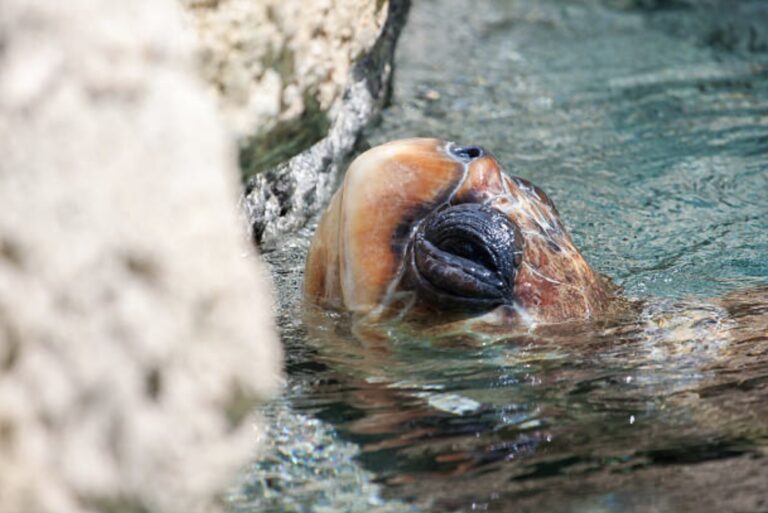
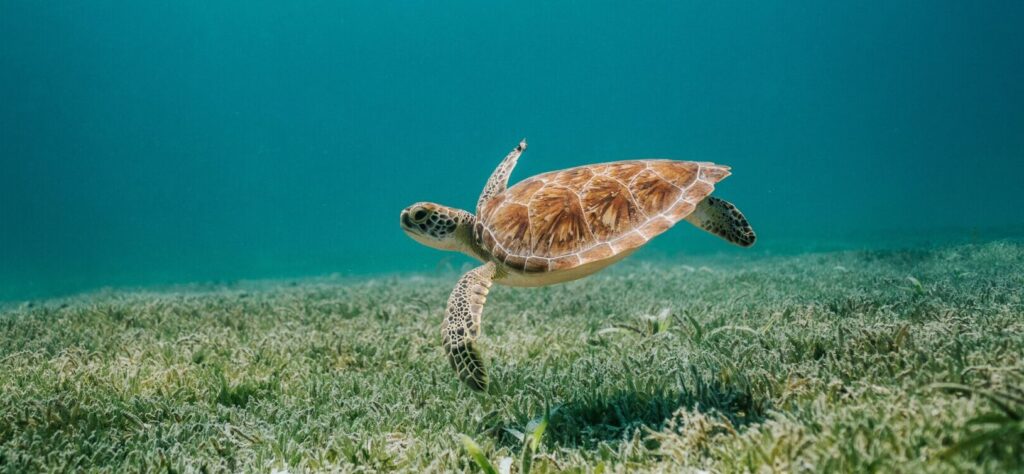
Snails graze on algae growing on the blades. Crustaceans shelter among the leaves. Sea cucumbers and worms work through the sediment below. Turtles and dugongs graze across the meadow itself.
Clearing the Water
Seagrass does more than provide habitat.
Every blade acts like a tiny obstacle in the current. As water moves through the meadow, it slows down. Suspended particles begin settling onto the seabed instead of remaining in the water column.
Multiply that process by millions of blades and entire meadows begin changing the water around them. Coastal waters become clearer, less sediment remains suspended, and nearby habitats benefit from more stable conditions.
Holding the Seafloor Together
Beneath the seafloor, dense networks of roots and rhizomes bind sediment together, helping prevent erosion and stabilise the seabed during storms and strong currents.
An Underwater Carbon Vault
Seagrass creates one of the ocean’s most effective long-term carbon stores.
Every year, dead leaves, roots, and organic material become buried beneath the meadow. Layer upon layer accumulates within the sediment, locking away carbon that might otherwise return to the atmosphere.
Although seagrass meadows cover less than 0.2% of the seafloor, they hold up to 10% of the ocean’s stored carbon.
Together, these processes allow seagrass to influence far more than the area it physically occupies.
A Network of Connected Habitats
Coastal ecosystems rarely operate in isolation.
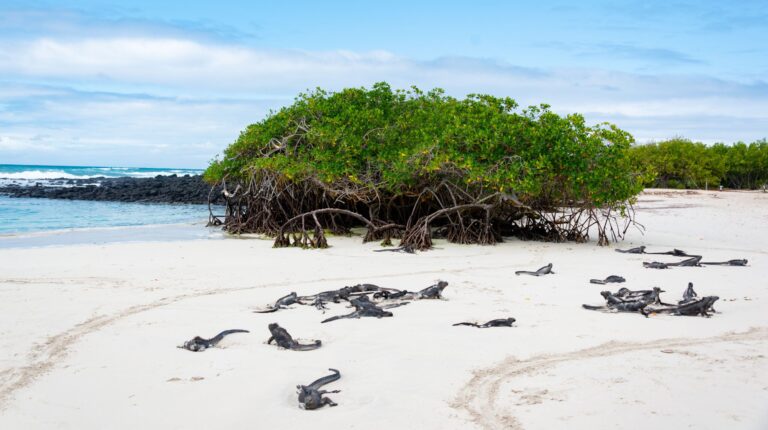
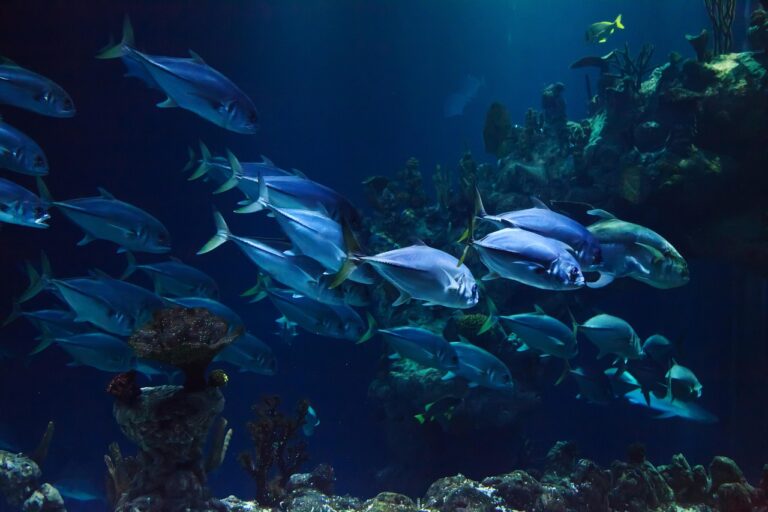
A fish sheltering in seagrass today may spend part of its life among mangrove roots before eventually moving onto a nearby reef. Many coastal species depend on multiple habitats throughout their lives. Young fish often use mangroves and seagrass as sheltered nurseries before moving to reefs as adults, linking these ecosystems together through their daily movements and migrations.
The habitats themselves support one another as well.
Mangroves trap sediment flowing from the land before it reaches the coast. This helps keep the water clearer for nearby seagrass meadows, which depend on sunlight to survive. In turn, seagrass stabilises the seabed and reduces suspended sediment, benefiting nearby coral reefs. Reefs then reduce wave energy, creating calmer conditions where seagrass and mangroves can thrive.
Rather than functioning as separate ecosystems, these habitats often operate as parts of a larger coastal network.
Changes in one habitat can ripple through the others.
Why Seagrass Meadows Are Declining
Despite their resilience, seagrass meadows are declining in many parts of the world.
When the Water Turns Murky
Poor water quality is one of the greatest threats. Sediment from land clearing, agriculture, and urban development can cloud the water, reducing the sunlight seagrass needs to survive. Excess nutrients can also trigger algal growth that coats the leaves and blocks sunlight.
Damage from Boats and Coastal Activities
Physical damage also takes a toll. Anchors, propellers, dredging, and some fishing practices can uproot or fragment meadows. Because many species grow slowly, recovery can take years.
A Changing Climate
Climate change adds further pressure through marine heatwaves, stronger storms, and changing rainfall patterns that alter coastal conditions.
Growing Pressure Along the Coast
Coastal development can compound these impacts by changing water flow, increasing sediment, and reducing suitable habitat.
What Happens When Seagrass Declines
The loss of seagrass affects far more than the plants themselves.
- Nursery habitat disappears, reducing the survival of young fish and invertebrates.
- Water becomes murkier as more sediment remains suspended in the water column.
- Coastlines become more vulnerable to erosion as the roots that once stabilised the seabed disappear.
- Carbon that may have remained buried for centuries can be released from disturbed sediments.
Because seagrass sits within a network of connected habitats, these effects often spread beyond the meadow itself.
A disappearing seagrass meadow is not simply the loss of a plant community. It is the gradual weakening of an entire coastal system.
Conclusion
Seagrass meadows don’t dominate tourism brochures or feature prominently in wildlife documentaries, yet these underwater meadows support fisheries, create habitat, stabilise coastlines, improve water quality, and store vast amounts of carbon.
Quietly and persistently, they keep entire coastal systems running.
The next time you look across a calm bay or shallow estuary, it is worth remembering that one of the ocean’s most important ecosystems may be growing just beneath the surface.