animal, nature, aquarium, aquatic, coral, deep, fish, marine, ocean, reef, scuba, sea, under, underwater, water

Can Animals Predict Natural Disasters?

A storm is still hours away.

The sky looks normal. The ocean appears calm.

Yet somewhere offshore, animals have altered their behaviour.

Stories of animals sensing danger before humans do have been told for centuries. Fishers, sailors, farmers, and scientists have all reported unusual animal behaviour before storms, earthquakes, and other natural disasters.

Most of these stories sound like folklore.

But some may contain a grain of truth.

A World Humans Can’t Detect

Humans experience the world primarily through sight and sound.

Many animals experience it through other methods.

  • Whales communicate using low-frequency sounds that can travel vast distances through the ocean.
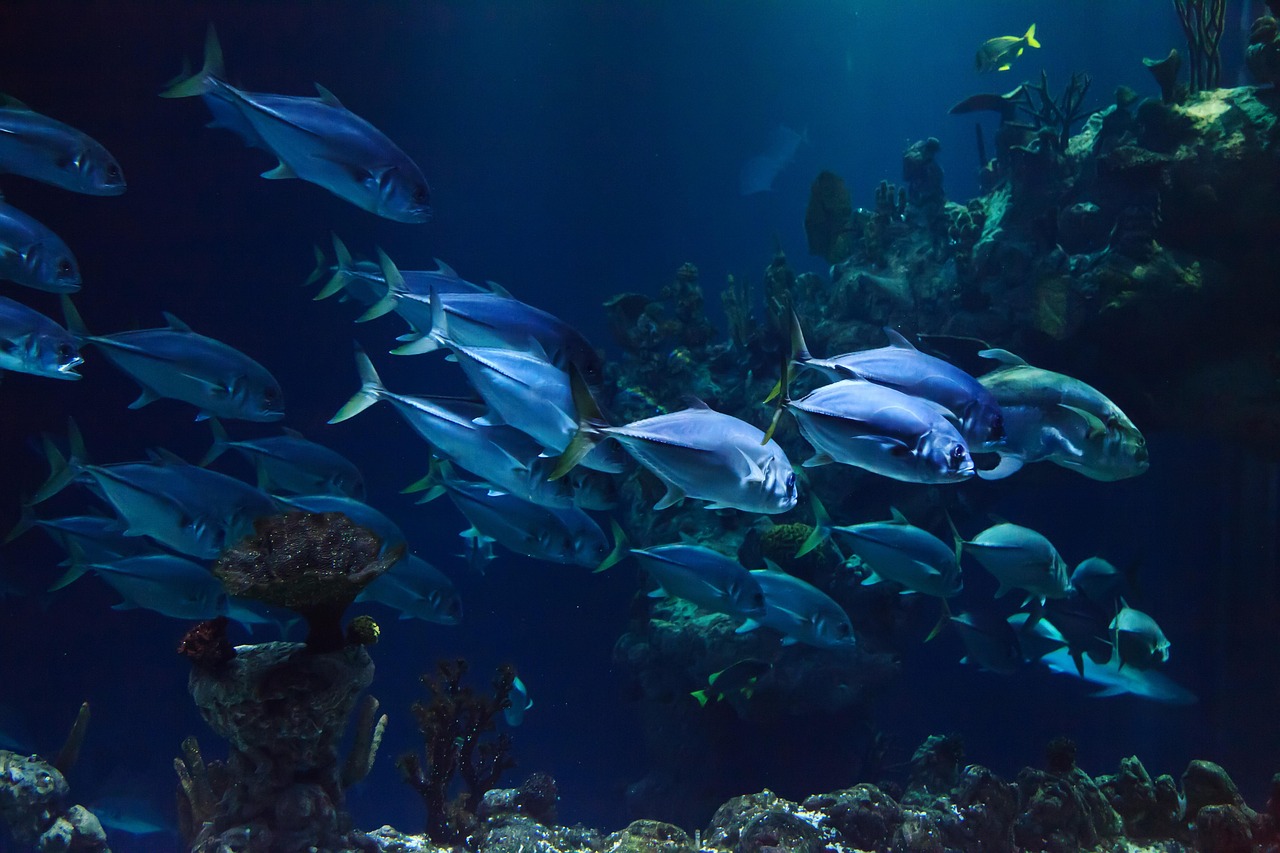
  • Fish use a sensory system called the lateral line to detect vibrations and changes in water movement.
  • Sharks and rays can detect weak electrical fields produced by other animals.
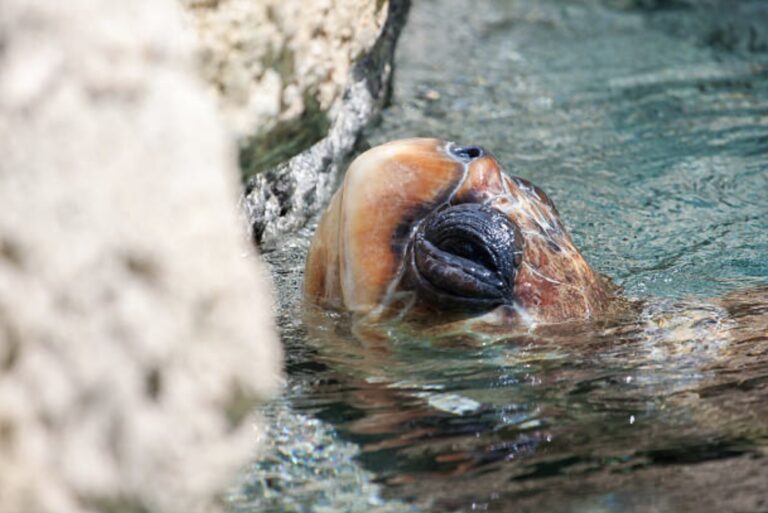
  • Sea turtles use Earth’s magnetic field to navigate across entire ocean basins.

Humans can’t sense any of these things directly.

If storms, earthquakes, or tsunamis alter these signals, some animals may notice the changes long before we do.

When Animals Beat the Forecast

The clearest examples come from storms.

Long before dark clouds appear, storms begin changing the environment around them. Air pressure falls, winds shift, humidity changes, and low-frequency sounds can travel ahead of the weather system itself.

Many animals can detect and respond to these changes, both on land and in the sea.

Great frigatebirds provide one of the most remarkable examples. These seabirds spend much of their lives soaring over tropical oceans, yet satellite tracking has shown they can alter their routes and travel hundreds of kilometres to avoid powerful storms.

Fish often respond as well. Recreational fishers have long noticed that species such as snapper and tuna can become harder to catch before severe weather arrives.

As pressure falls and conditions change, some fish move deeper or reduce feeding activity, effectively disappearing from areas where they were abundant only hours earlier.

Studies have also found that some coral reef fish reduce feeding activity and spend more time sheltering within the reef as weather conditions deteriorate.

Unlike earthquakes and tsunamis, storms can be studied repeatedly. As a result, scientists have a much clearer understanding of how animals respond to approaching weather systems.

The Earthquake and Tsunami Mystery

The question becomes much more complicated when earthquakes and tsunamis are involved.

Interest in the idea surged after the 2004 Indian Ocean tsunami. In the aftermath, reports emerged of animals behaving unusually before the waves arrived. Elephants were said to move inland, birds reportedly abandoned coastal areas, and some wildlife appeared to avoid locations that were later devastated.

Scientists remain cautious about many of these reports because they were largely collected after the event. Human memory is not always reliable, particularly following major disasters.

Even so, researchers have proposed several ways animals might detect an approaching tsunami or earthquake.

Possible explanations include:

  • Infrasound generated by large disturbances in the ocean.
  • Vibrations travelling through the ground or water.
  • Changes in groundwater chemistry.
  • Electromagnetic signals produced by stressed rocks.

The challenge is proving which, if any, of these signals animals are actually responding to.

The Legend of the Oarfish

Few animals are more closely linked to disaster prediction than the oarfish.

Growing to more than eight metres in length, these rarely seen deep-sea fish are sometimes known in Japanese folklore as “earthquake fish” and are believed to appear before major seismic events.

The legend gained international attention after several oarfish strandings occurred around the time of the 2011 Tōhoku earthquake and tsunami.

Scientists have found no reliable connection between oarfish strandings and earthquakes, but the idea persists. A giant deep-sea fish suddenly appearing at the surface is exactly the kind of mystery that captures people’s imagination.

The Mystery Remains

For centuries, stories of animals predicting disasters have sat somewhere between science and folklore.

When it comes to storms, there is little doubt that many animals can detect environmental changes long before humans notice them. Earthquakes and tsunamis remain far more mysterious.

The challenge is separating genuine warning signs from coincidence. Major disasters are rare, unpredictable, and difficult to study, making reliable evidence hard to collect.

For now, there is no proof that animals can consistently predict earthquakes or tsunamis. But the possibility remains intriguing enough that scientists continue to investigate it.

Whether some animals truly sense danger before we do is still an open question — and one of nature’s most fascinating mysteries.

Explore More

Scroll to Top