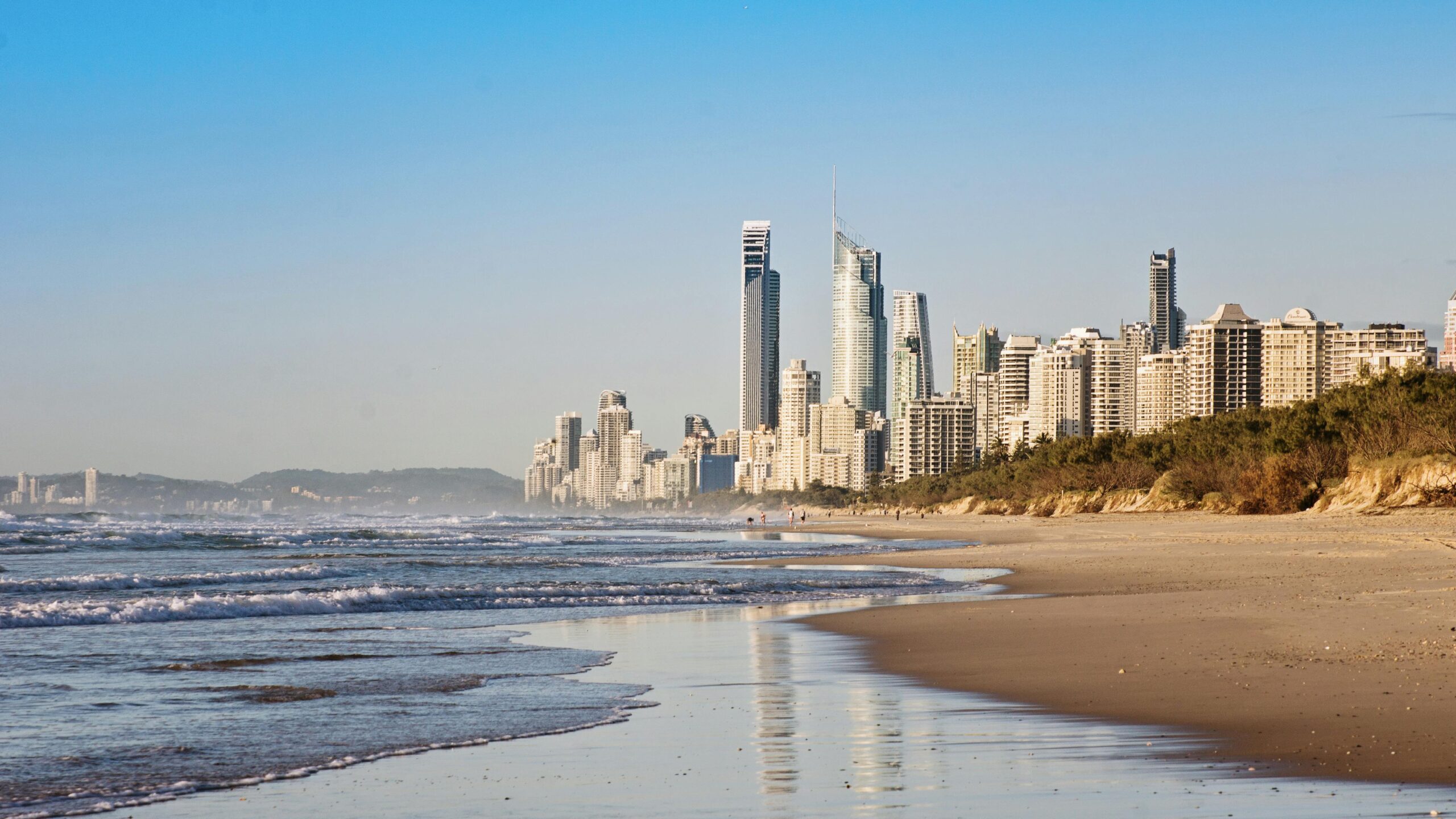
Stunning view of skyscrapers lining the golden beach under clear skies.

Best Snorkelling Spots on the Gold Coast

From calm tidal channels filled with rays and tropical fish to offshore reefs visited by turtles and wobbegong sharks, the Gold Coast offers far more snorkelling diversity than most people expect. Beneath the surface is a mix of artificial reefs, rocky bommies, protected channels, shallow coral systems, and historic wrecks that make the region one of Australia’s most underrated snorkelling destinations.

Whether you’re looking for a calm beginner-friendly snorkel or a more advanced offshore adventure, conditions are everything on the Gold Coast. Swell, tide, wind direction, and recent rainfall can completely change a site within hours.

Below are some of the region’s best snorkelling locations, ranked from beginner-friendly to advanced.

Best Time to Snorkel on the Gold Coast

The best time of day to snorkel is in the early mornings, before afternoon winds rough up the surface and reduce visibility.

While snorkelling is possible year-round, conditions tend to be most reliable from late autumn through winter. 

Winter (Best Visibility)
  • Cleaner water
  • Lighter winds
  • Reduced sediment movement
  • Cooler temperatures (a wetsuit helps)
Summer (Best Marine Life)
  • Warmer water
  • More tropical species
  • Greater chance of leopard sharks and turtles
  • Afternoon storms and poorer visibility become more common


Shore-Based Snorkelling

1. Tweed River

Little Duranbah Beach, Tweed Heads NSW

One of the most reliable snorkelling spots in the region.


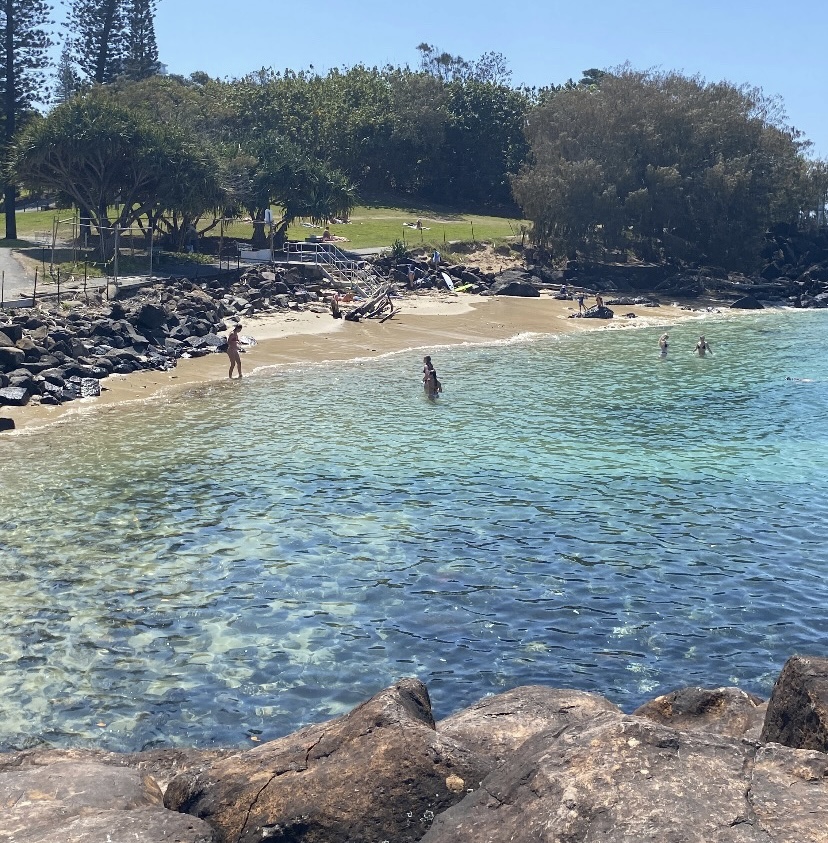
Located at Tweed Heads on the NSW border, the Tweed River offers calm, predictable conditions and easy shoreline access. Even when nearby beaches are rough or wind-affected, the river often remains comfortable to snorkel.

The rocky edges and tidal flow create a surprisingly active underwater environment, particularly around high tide when clearer ocean water pushes into the river system.

Best suited for

  • Beginners
  • Families
  • Casual snorkellers
  • Low-confidence swimmers

Access

Multiple shore-entry points are available near Little Duranbah Beach.

Depth

1–6 metres depending on tide and location.

What you’ll see

Bream, whiting, trevally, rays, small tropical fish, and the occasional octopus. Spotted eagle rays are sometimes seen cruising through the channel, while confident duck divers may find the small underwater statue along the rock wall.

Large schools of baitfish occasionally gather around the shallower edges during calm mornings.

Conditions & tips

  • High tide usually offers the clearest visibility
  • Avoid after heavy rain due to runoff
  • Stay clear of boat traffic and the river mouth
  • Morning conditions are often calmer

2. Gold Coast Seaway

Best for marine diversity and macro life.

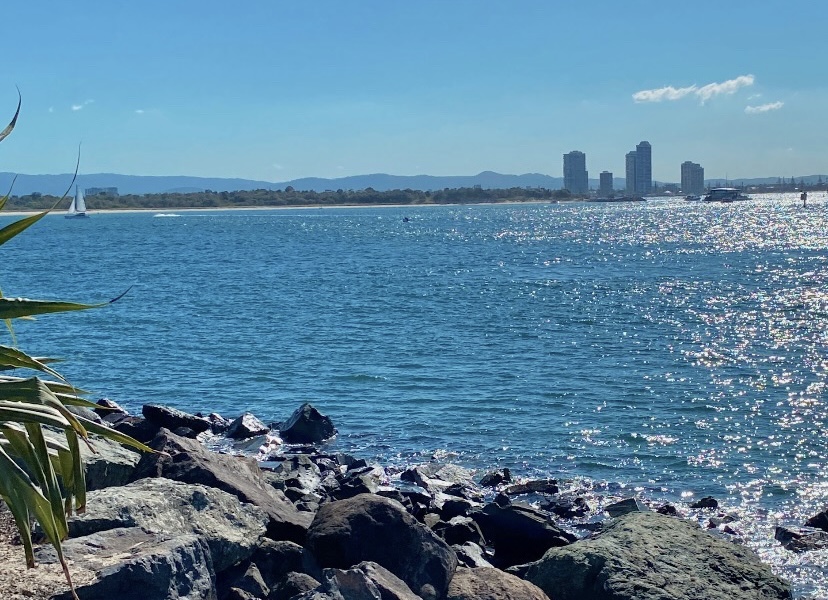
Located at The Spit in Main Beach, the Gold Coast Seaway is one of the region’s most rewarding shore-based snorkelling sites when conditions align.

The combination of rock walls, tidal flow, deep channels, and ocean water exchange creates excellent habitat for both large pelagic species and tiny macro life.

The Seaway can look almost tropical on a clean incoming tide, then turn murky again within hours as swell and tides shift.

Experience level

Intermediate snorkellers and confident swimmers.

Access

Shore entry via The Spit staircases. Most snorkellers remain close to the wall and avoid the main channel due to boat and watercraft traffic.

Depth

2–15 metres depending on tide and location.

What you’ll see

Seahorses, lionfish, moray eels, trevally, rays, nudibranchs, pelagic fish, and a wide range of smaller species hidden among the rocks.

This is one of the best places on the Gold Coast for spotting unusual macro life.

Conditions & tips

  • Incoming tide generally brings cleaner ocean water
  • Low tide currents can become extremely strong
  • Light winds improve visibility
  • Weekends can become busy with boats and jet skis
  • If conditions appear rough, don’t enter

Gold Coast Seaway, QLD

3. Narrowneck Artificial Reef

An exposed offshore reef with rewarding marine life.

Located between Surfers Paradise and Main Beach, Narrowneck is an offshore artificial reef originally designed for coastal protection. Over time, it has developed into a productive marine habitat that attracts a wide variety of species.

Its offshore positioning gives it a more open-ocean feel than many other Gold Coast snorkelling sites.

After several calm days, visibility here can become surprisingly good for an exposed beach location.

Best suited for

  • Intermediate snorkellers
  • Advanced snorkellers
  • Confident ocean swimmers

Access

Approximately a 200m swim from shore.

Depth

3–12 metres depending on swell and tide.

What you’ll see

Wobbegongs, turtles, octopus, schools of reef fish, rays, and occasional pelagic visitors moving through the reef.

Turtles here are often surprisingly relaxed around snorkellers.

Conditions & tips

  • Best during low swell
  • Early mornings usually provide calmer surface conditions
  • Even small increases in swell can reduce visibility significantly
  • Be aware of rips and shifting sandbanks

4. Kirra Reef

One of the Gold Coast’s more adventurous shore-access snorkels.

Located offshore from Kirra Beach on the Southern Gold Coast, Kirra Reef is known for rocky bommies, marine life, and clearer offshore water during ideal conditions.

Its offshore location gives it more of a true reef feel than most shore-access snorkelling sites on the Gold Coast.

Conditions can appear calm from shore while still being rough around the reef itself.

Experience level

Advanced snorkellers only.

Access

A long surface swim of roughly 400m from Kirra Beach with no markers guiding the route.

Some local operators occasionally visit the reef.

Depth

6–12 metres depending on the bommie.

What you’ll see

Wobbegongs, turtles, eagle rays, reef fish, macro life, and — during warmer months — occasional leopard sharks.

Conditions & tips

  • Very low swell is essential
  • Light winds improve surface conditions
  • Only attempt with a buddy
  • Currents can strengthen quickly around the reef

Kirra Reef, QLD – all of the above was seen within the span of one hour!

Boat & Tour-Based Snorkelling

1. Wave Break Island

One of the easiest snorkelling spots on the Gold Coast.

Located inside the Broadwater near Southport, Wave Break Island is sheltered from most ocean swell, creating calm water that remains snorkelable far more often than exposed beaches.

Its shallow ledges and sandy patches make it one of the most accessible beginner snorkelling locations in the region.

Best suited for

  • First-time snorkellers
  • Families
  • Beginner photographers
  • Calm-water snorkelling

Access

Boat or kayak from The Spit. Guided snorkel tours are widely available.

Depth

1–6 metres.

What you’ll see

Schools of reef fish, rays, juvenile tropical species, algae-covered ledges, and occasional turtles.

During summer, the shallow water can hold surprisingly good fish life for such an accessible location.

Conditions & tips

  • Mid to high tide generally offers best visibility
  • Visibility drops quickly after rain
  • Watch for boat and jet ski traffic
  • Calm mornings are usually best

2. Cook Island Marine Sanctuary

One of the best turtle snorkelling sites near the Gold Coast.

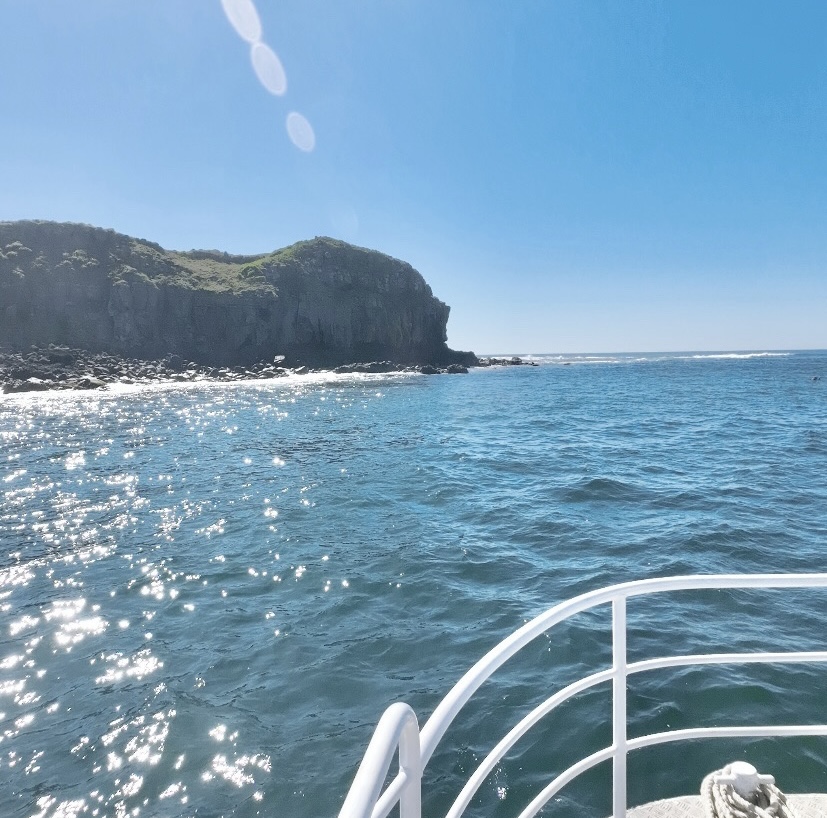
Located off Fingal Head in northern New South Wales, Cook Island is a protected marine sanctuary famous for turtle encounters and healthy marine life.

The island’s rocky ledges, boulders, and protected sections support an impressive mix of subtropical species.

Experience level

Beginner to intermediate snorkellers.

Access

Boat tours depart from Tweed Heads and nearby locations.

Depth

6–22 metres depending on the site.

What you’ll see

Green turtles, loggerhead turtles, wobbegongs, rays, soft corals, drummer, goatfish, and subtropical reef species.

Turtles here are commonly seen resting along the reef edges or surfacing near snorkellers.

Conditions & tips

  • Operators select the calmest side of the island
  • Morning trips often provide smoother conditions
  • Offshore visibility changes with swell and current
  • Stay within the guided snorkelling area

Cook Island, Fingal Head NSW

3. Palm Beach Reef

One of the Gold Coast’s more tropical-feeling reef sites.

Located offshore from Palm Beach, Palm Beach Reef is a shallow reef system known for colourful coral growth and diverse marine life.

Compared with many Gold Coast sites, this reef often feels more tropical during clear conditions.

Best suited for

Intermediate snorkellers.

Access

Boat only.

Depth

5–20 metres depending on the reef section.

What you’ll see

Hard corals, parrotfish, wrasse, nudibranchs, rays, reef sharks, and schools of reef fish moving through the bommies.

Conditions & tips

  • Low swell produces the best visibility
  • Surge can still be strong over shallow reef
  • Autumn and winter often provide cleaner water
  • Avoid touching or standing on coral

4. Scottish Prince Wreck

An exposed wreck snorkel best suited to calm conditions.

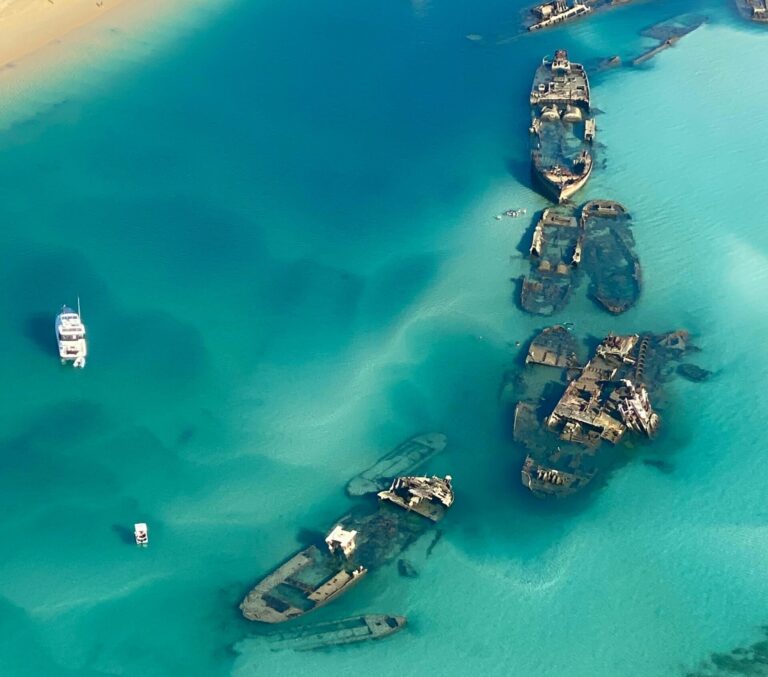
Located offshore from the Southport Spit, the Scottish Prince is a historic 1887 shipwreck that has gradually become colonised by marine life.

Its exposed location means conditions are not always suitable, but on calm days it offers one of the region’s more unique snorkelling experiences.

Experience level

Advanced snorkellers only.

Access

Boat recommended.

Depth

5–12 metres.

What you’ll see

Schooling fish, rays, macro life, sponges, and the remains of the wreck structure itself.

Conditions & tips

  • Best during calm seas and slack tide
  • Surge can build quickly around the wreck
  • Winter often provides clearer visibility
  • Avoid enclosed areas of the structure

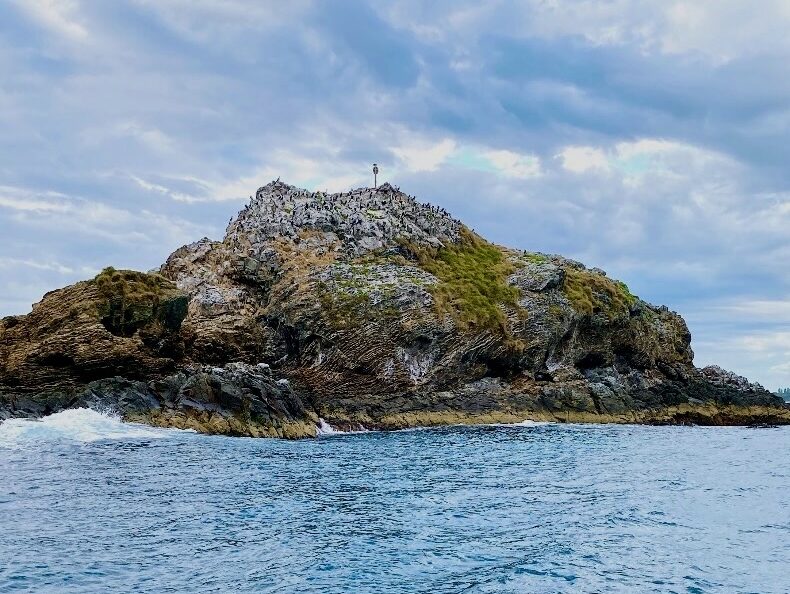
Julian Rocks, Byron Bay NSW

Bonus Site: Julian Rocks (NSW)

One of Australia’s most iconic snorkelling and dive sites.

Located off Byron Bay, Julian Rocks is widely regarded as one of Australia’s premier marine sites.

The area sits where tropical and temperate currents meet, creating exceptional biodiversity and seasonal marine life encounters.

For many Gold Coast snorkellers, it’s the natural next step after exploring local reefs.

Experience level

Intermediate to advanced snorkellers.

Depth

5–24 metres depending on the site.

What you’ll see

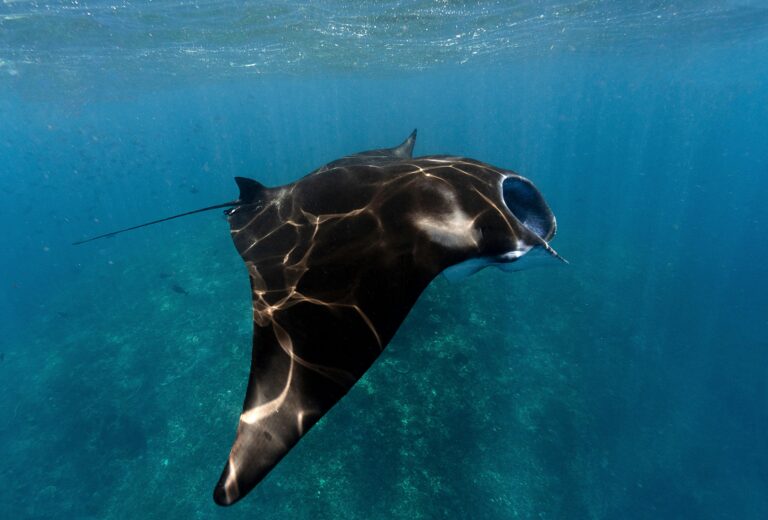
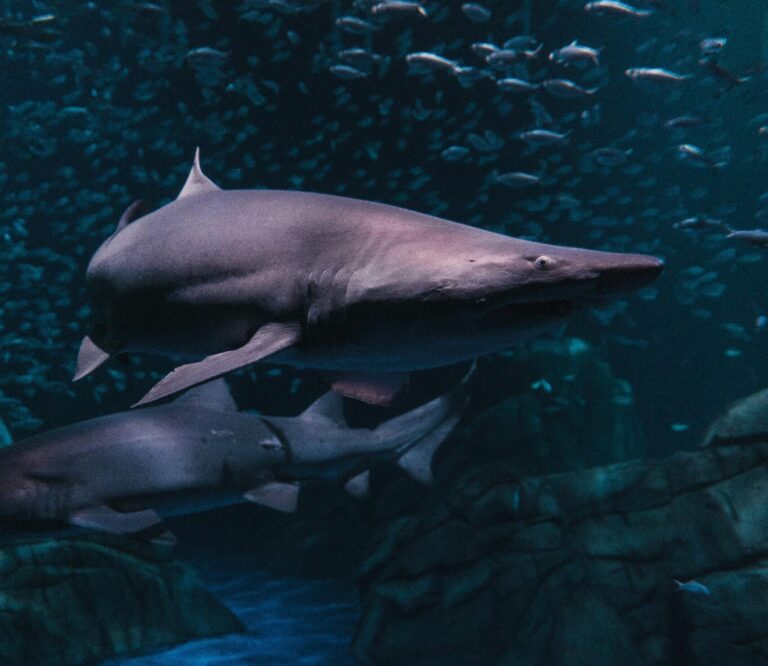
Grey nurse sharks, turtles, manta rays, leopard sharks, rays, nudibranchs, and enormous schools of fish.

On exceptional days, visibility and marine life here can rival far more famous international snorkelling destinations.

Conditions & tips

  • Low swell and light winds are ideal
  • Operators choose sites based on daily conditions
  • Winter visibility can be exceptional
  • Conditions offshore change quickly

For more information on visiting Julian Rocks, check out our article: Julian Rocks: A Local’s Guide to Snorkelling & Diving in Byron Bay

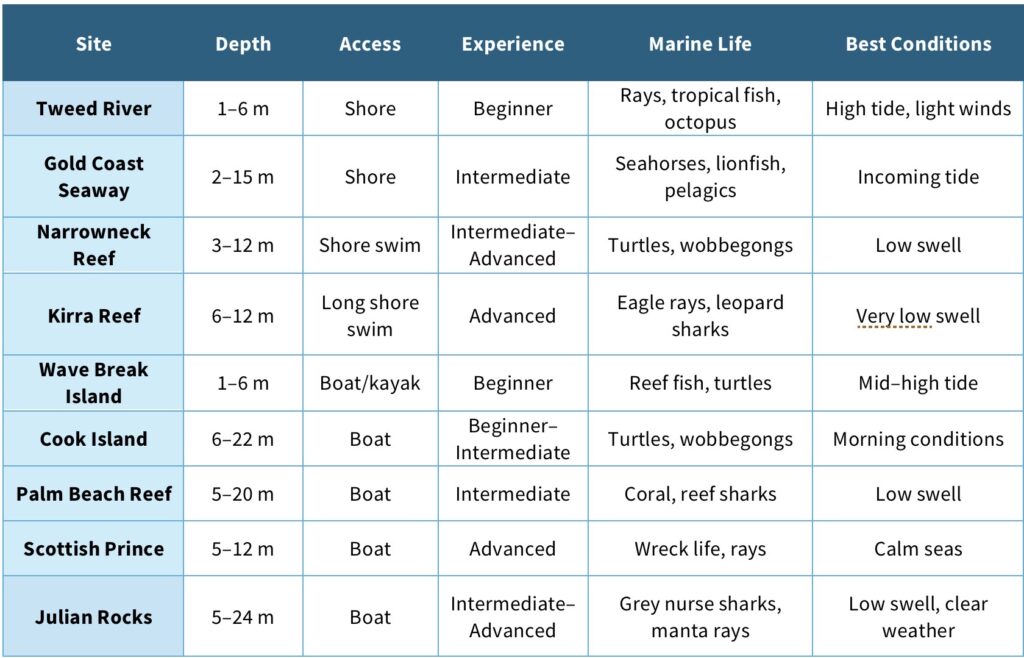
Summary Table

The Gold Coast region offers far more snorkelling variety than many people realise. From calm beginner-friendly river snorkels to offshore reefs filled with turtles and rays, there’s a site suited to almost every experience level — provided conditions are chosen carefully.

Checking tide, swell, visibility, and wind before entering the water will always lead to a safer and far more enjoyable snorkelling experience.

Explore More

Scroll to Top