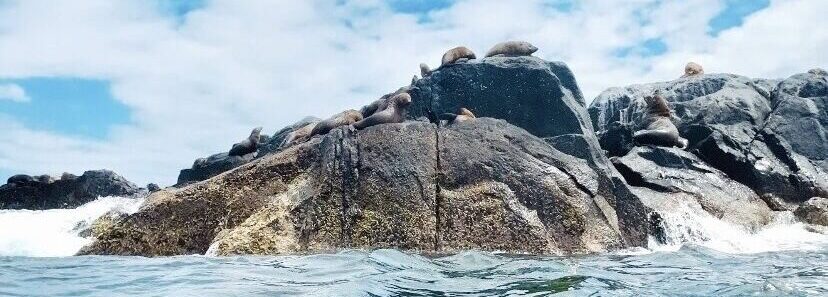
Montague Island (Barunguba) is one of the South Coast’s most iconic wildlife destinations — a rugged granite island home to one of Australia’s largest Australian fur seal colonies, migrating whales, seabirds, and some of the clearest temperate-water conditions in NSW. Whether you’re diving, snorkelling, or joining a wildlife cruise, the island offers a rare mix of close wildlife encounters and dramatic coastal scenery.
This guide covers everything you need to know before you go.
Why Montague Island Is Special
Montague Island sits 9 km offshore from Narooma and is surrounded by nutrient-rich waters that attract an incredible amount of marine life. The island is best known for:
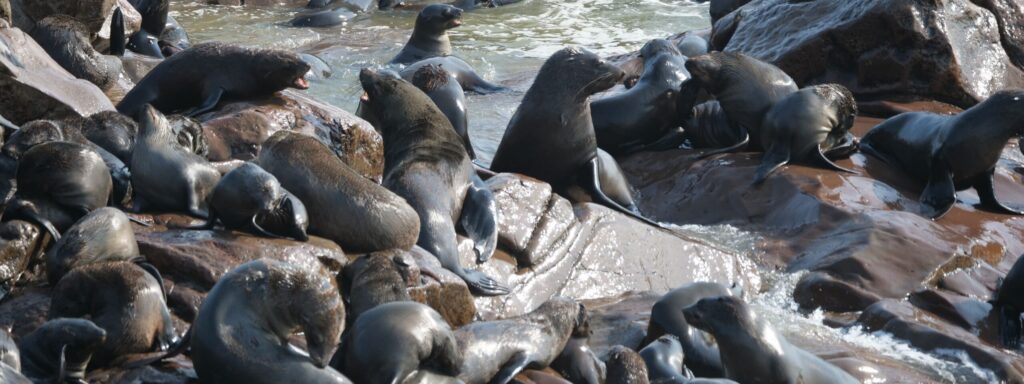
- One of Australia’s largest Australian fur seal colonies
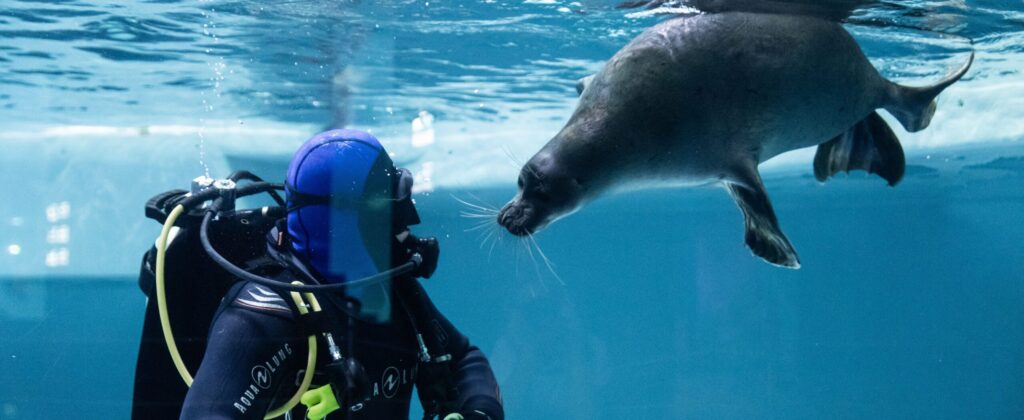
- Reliable opportunities to snorkel or dive with wild seals
- Consistently good visibility — 10–20 metres is common, with exceptional days exceeding that
- Temperate reef species including eastern blue gropers, Port Jackson sharks, wobbegongs, rays, and large schools of fish
- Seasonal wildlife including humpback whales (winter–spring) and little penguins (spring–summer)
- Protected nature reserve with limited access that helps keep the ecosystem healthy
It’s one of the few places in Australia where you can reliably snorkel or dive with seals in the wild.
Best Time to Visit
Montague Island is accessible year-round, but conditions and wildlife vary throughout the year.
Winter–Spring (June–October)
- Peak seal activity
- Crisp, clear water
- Cold temperatures (13–16°C)
- Whale migration in full swing
Summer–Autumn (December–April)
- Warmer water (18–21°C)
- Generally calmer seas
- Little penguins nesting
- Great for snorkelling and beginners
If your priority is seals and underwater visibility, winter and early spring are hard to beat.
Getting There
All trips depart from Narooma, a coastal town on the NSW South Coast.
Travel Time
- From Canberra: ~3 hours
- From Sydney: ~5 hours
- From the Sapphire Coast: 1–2 hours
The boat ride to the island takes around 15–25 minutes depending on conditions.
Even on calm days, the trip out feels like a genuine offshore adventure, with the island’s granite cliffs slowly rising from the horizon as you approach.
Can You Stay on the Island?
Yes — and it’s one of the most unique experiences on the South Coast.
Montague Island offers limited overnight accommodation in the restored lighthouse keeper’s quarters. Stays are managed by NSW National Parks and include:
- Return boat transfers
- A guided island tour
- Access to walking tracks and wildlife viewing areas
- A fully equipped heritage cottage
It’s peaceful, remote, and perfect for travellers wanting a deeper connection to the island.
Choosing a Tour
Only licensed operators can access Montague Island. Most offer:
- Snorkelling with seals
- Double scuba dives
- Wildlife cruises
- Island walking tours with NPWS guides
Tours typically include:
- Wetsuit, fins, mask, and snorkel
- Tanks and weights for divers
- Hot drinks on board
- Safety briefings and wildlife information
If you’re diving, choose an operator that specialises in scuba diving around Montague Island — local knowledge can make a big difference when conditions change.
What to Expect Underwater
Montague Island’s underwater world is a mix of giant granite boulders, kelp beds, gutters, and shallow rocky platforms where seals love to play.
Marine life highlights include:
- Australian fur seals
- Eastern blue gropers
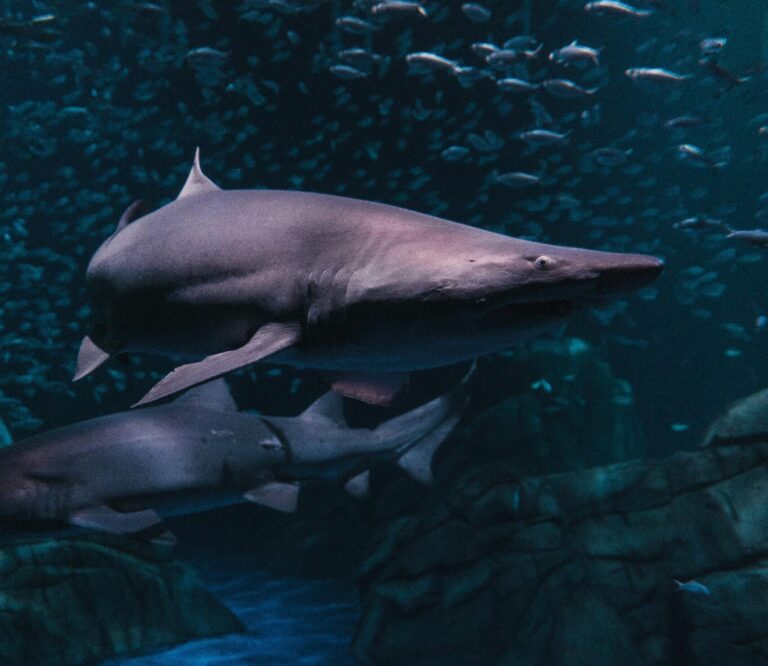
- Port Jackson sharks
- Wobbegongs
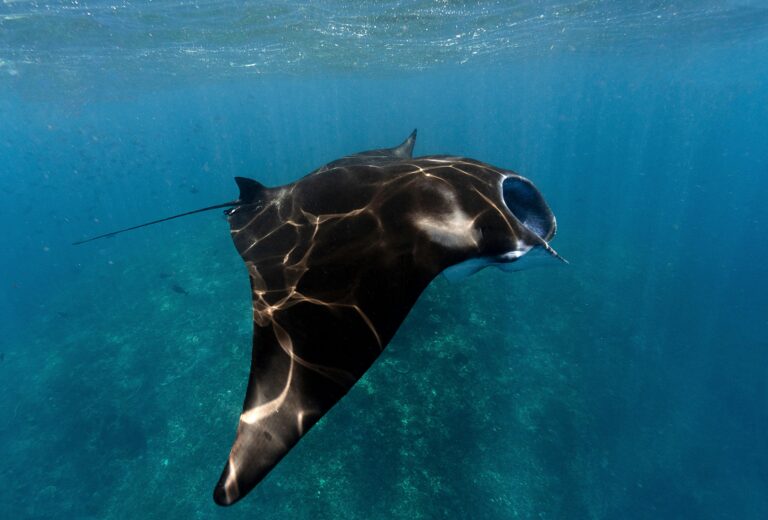
- Bull rays and eagle rays
- Schooling fish such as yellowtail, sweep, and mado
- Occasional turtles, dolphins, and pelagic visitors
Diving With the Seals
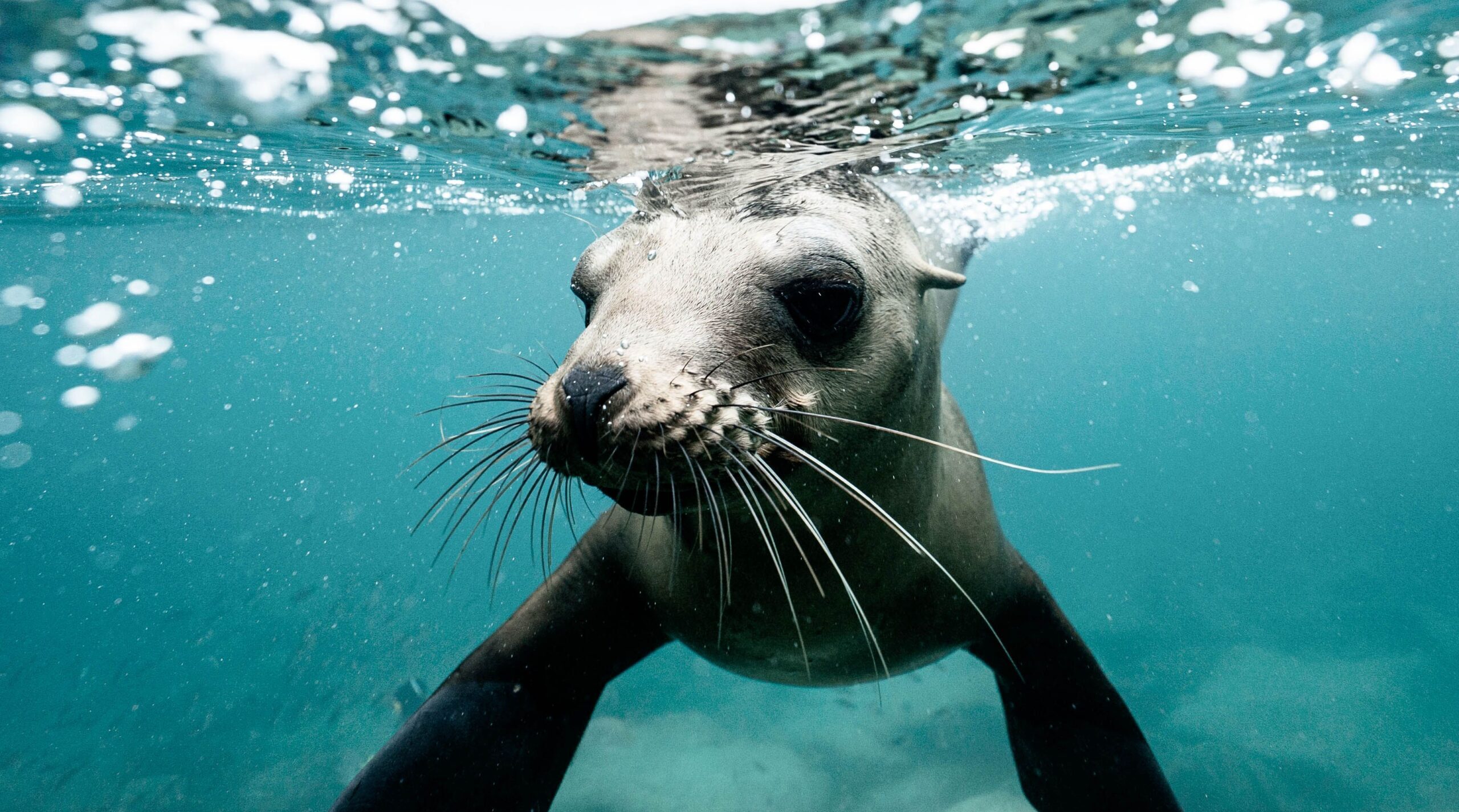
Australian fur seals are the reason many people visit Montague Island.
Young seals are famously curious and often approach divers and snorkellers to investigate. They twist through the water with surprising agility, dart around in tight circles, blow streams of bubbles, and sometimes seem more interested in watching you than the other way around.
The best encounters happen when you remain calm and let the seals decide how close they want to come. No touching is permitted, but many visitors find the seals willingly provide all the interaction they could hope for.
Dive & Snorkel Sites
While exact locations vary with conditions, several areas are regularly visited.
The Seal Colony (North & South Rocks)
- Shallow (5–12 m)
- Perfect for snorkelling
- High seal interaction
- Sheltered pockets with calmer water
This is where most visitors experience their first close encounters with Montague Island’s famous fur seals.
The Gutters
- 10–18 m
- Narrow granite channels and gullies
- Schools of fish sheltering from the current
- Good for spotting resting Port Jackson sharks
The maze-like terrain creates plenty of places for marine life to gather.
The Boulder Fields
- 15–22 m
- Massive granite boulders and dramatic underwater scenery
- Larger rays, blue gropers, and schooling fish
- Clear, open terrain on good days
These sites showcase the rugged underwater character that makes Montague Island so distinctive.
Conditions to Be Aware Of
Montague Island is exposed to swell and wind, so conditions can change quickly.
- Water temperature: 13–21°C
- Swell: Can be rough in southerly conditions
- Currents: Usually mild but can strengthen at times
- Entry/exit: Giant stride from the boat
If you get seasick, take precautions before departure — the ride out can be surprisingly bumpy even when conditions look reasonable from shore.
Booking Tips
- Winter weekends often book out well in advance
- Morning departures generally offer the calmest conditions
- Weather and sea conditions can affect departures, so check cancellation policies before booking
- If you’re travelling from Sydney or Canberra, consider staying overnight in Narooma rather than attempting a day trip
Gear & What to Bring
Most operators supply gear, but bringing your own can make the experience smoother.
Recommended Items
- Your own gear if you have any
- GoPro or underwater camera
- Warm clothes for after the dive
- Dry bag for valuables
- Towel and change of clothes
- Seasickness medication if needed
In winter, a hood and gloves can make a huge difference to comfort in the water.
Safety & Wildlife Etiquette
Montague Island is a nature reserve, and wildlife interactions must always be respectful.
- Keep 1–2 metres from seals
- Never chase or corner them
- Stay calm and still — they’ll often come to you
- Avoid touching the seabed, which is covered in sea urchins in many areas
- Follow your guide’s instructions at all times
Seals are playful but powerful animals. The best encounters happen when you let them set the pace.
Who This Trip Is Perfect For
Montague Island is ideal for:
- Snorkellers wanting close wildlife encounters
- Divers who enjoy temperate reefs
- Underwater photographers
- Families joining snorkelling or wildlife cruises
- Anyone who loves seals
It’s less ideal for:
- People who get seasick easily
- Those uncomfortable in cold water
- Very new divers, as conditions can sometimes be variable
Final Thoughts
Montague Island is one of those rare places where the wild feels close enough to touch — seals swirling around you, sharks gliding past, rays cruising through clear water, and the unmistakable blue of the South Coast stretching to the horizon.
Long after you’ve dried off and headed home, chances are you’ll still be thinking about the seals.
Want to know more about what it’s like to snorkel at Montague Island? Check out: Diving With the Seals of Montague Island