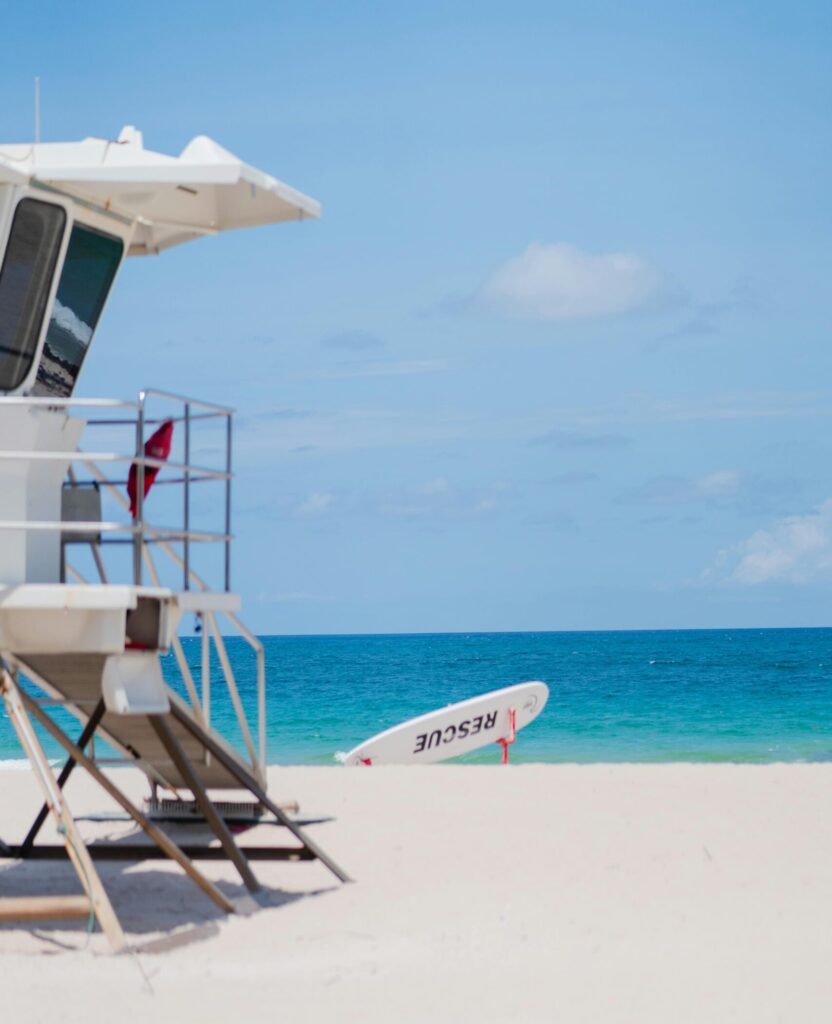

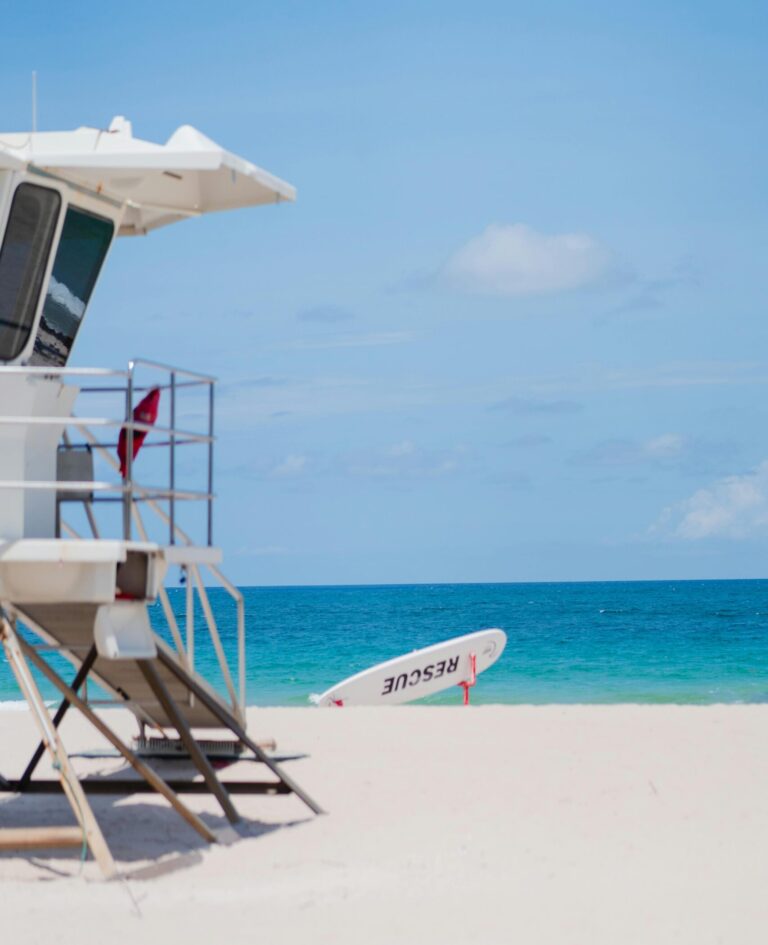
A lifeguard tower and rescue board on a sandy beach by the turquoise sea under a clear blue sky.

Beach Safety for Beginners: How to Stay Safe at the Beach in Australia

Australian beaches can change dramatically with tides, swell, wind, and currents — sometimes within hours. Understanding a few basic safety principles can make the difference between a stressful experience and a fun day in the ocean.

This article covers essential beach safety knowledge that everyone new to the ocean should know, from swimming between the flags to recognising common surf hazards and staying safe in changing conditions.

Always Swim Between the Red and Yellow Flags

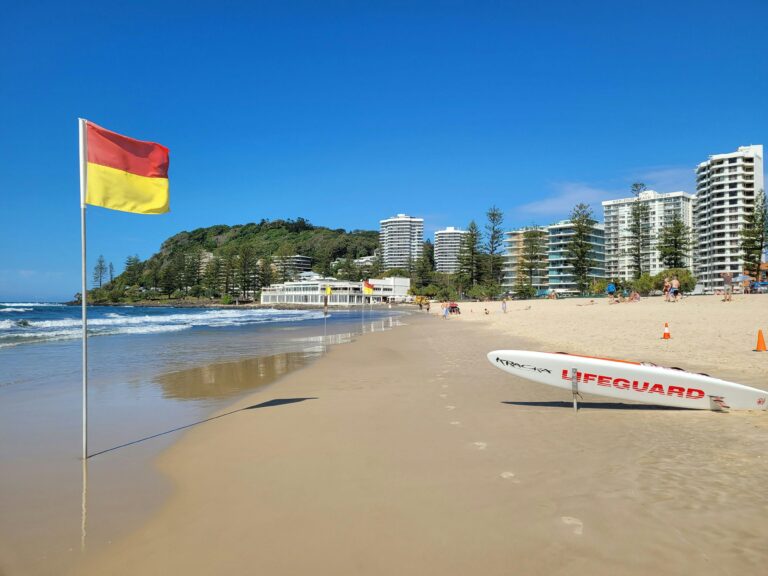
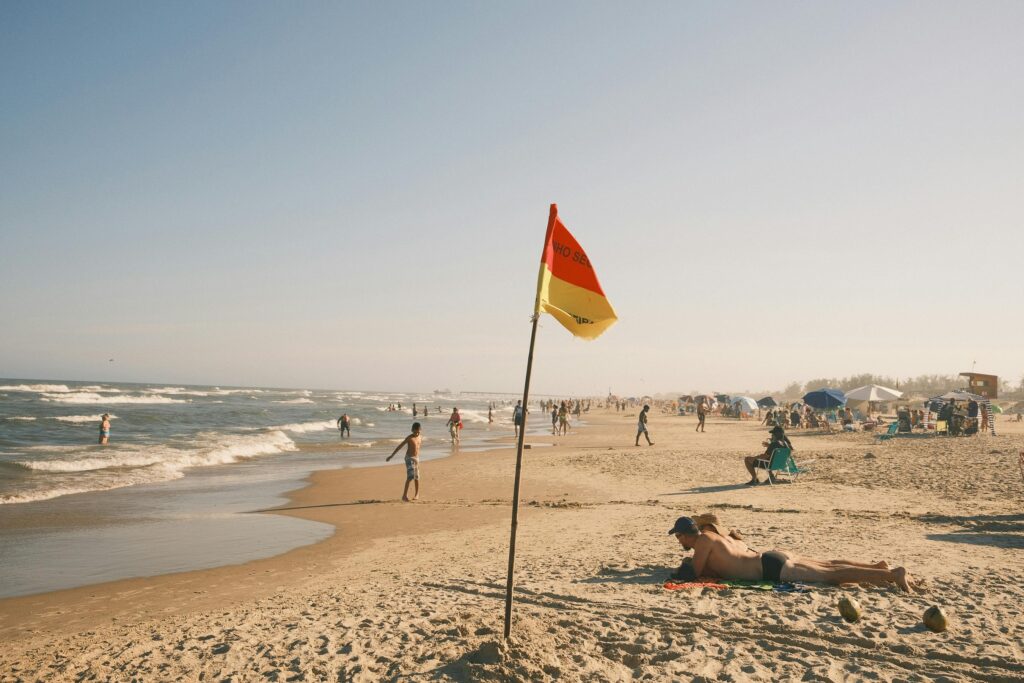
The red and yellow flags mark the area lifeguards and lifesavers believe is the safest for swimming based on current conditions, hazards, and surf patterns.

Swimming between the flags means you’re in an area that is actively monitored and assessed for hazards, as well as being close to rescue equipment.

If the flags haven’t been put up yet or have already been taken down, treat the beach as unpatrolled and use extra caution.

A vibrant beach scene with people enjoying the sun and surf, featuring a prominent lifeguard flag.

Read the Safety Signs Before Entering the Beach

Take a moment to read beach safety signs before entering the water. They provide important information about conditions and hazards, including:

  • rip currents
  • dangerous shore dump
  • strong surf or swell
  • stingers or jellyfish
  • shark sightings
  • unstable sandbanks
  • submerged hazards

Conditions can change quickly, so don’t assume the beach is the same as it was yesterday — or even earlier that morning.

Understand the Main Surf Hazards

Rip Currents

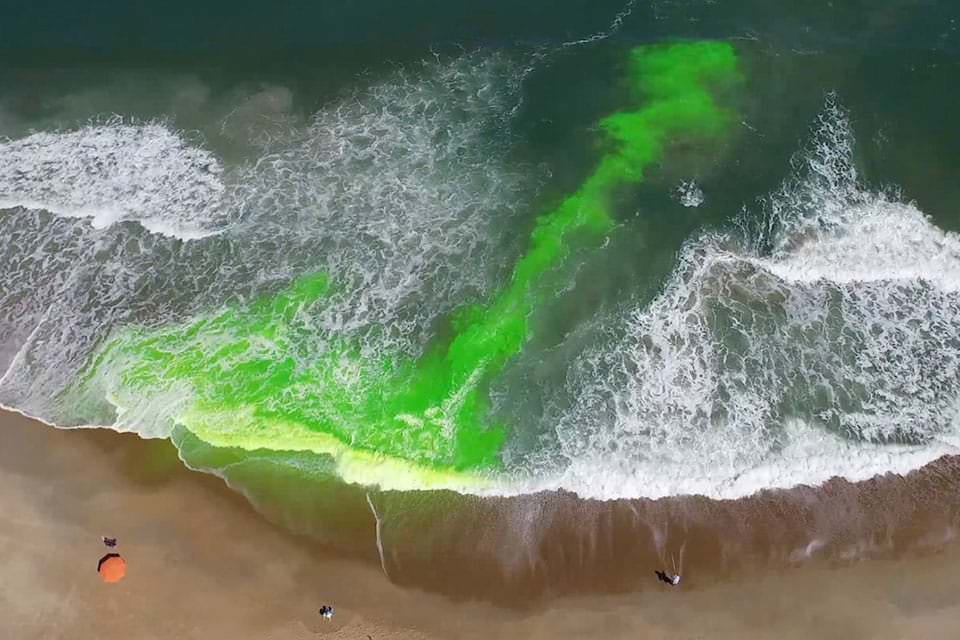
Rip currents are the leading cause of beach rescues in Australia. They form when water pushed towards the shore by waves flows back out to sea through deeper channels between sandbanks. They will carry you out behind the shore break, they will not pull you underwater.

When spotting a rip current, you want to look for:

  • a darker-looking gap between breaking waves
  • fewer waves breaking in one area
  • water that looks choppy or turbulent
  • foam or sand moving offshore

If you get caught in a rip it’s important to:

  • stay calm
  • float to conserve energy
  • raise your hand for assistance
  • swim or drift sideways, do not swim directly against the current

See our article about Rip Currents for more information about rips.

Shore Dump / Dumping Waves

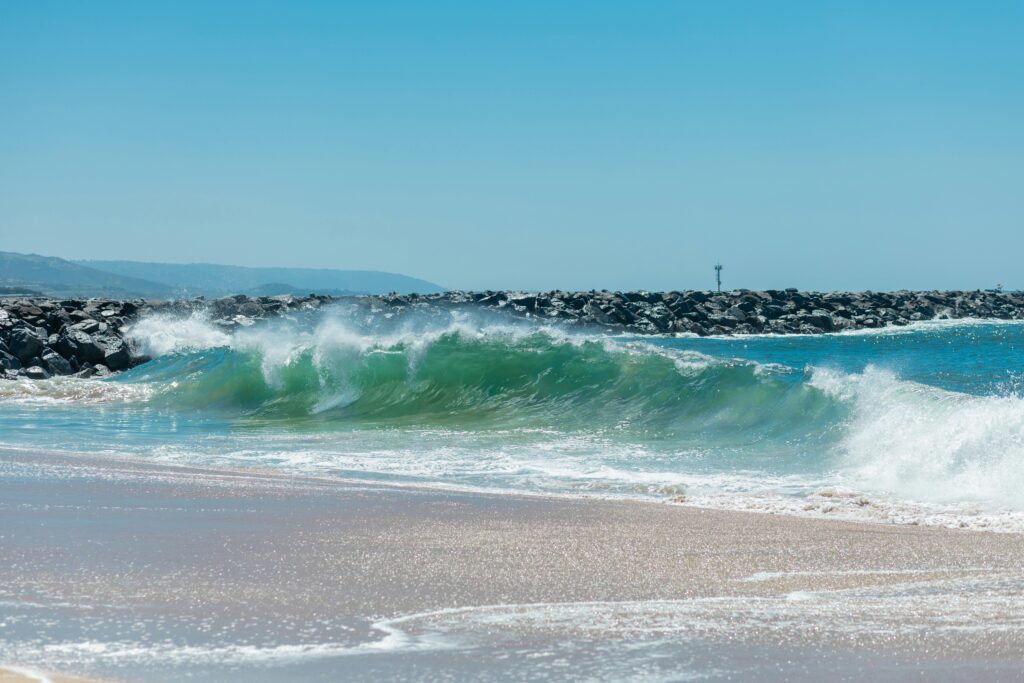
Dumping waves break heavily in shallow water. Even relatively small waves can generate enough force to cause serious injury, including neck or spinal injuries.

Avoid diving, jumping, or turning your back on dumping waves. Children are especially vulnerable to sudden depth changes.

Sudden Drop-offs & Shifting Sandbanks

Sandbanks constantly shift due to tides, swell, and currents. This can create unexpected deep holes, channels and drop-offs.

Enter the water slowly and test the depth as you move further in.

Longshore Currents

Longshore currents run parallel to the beach and can slowly sweep swimmers sideways along the shoreline.

If you realise you’re drifting away from the flagged area, make sure to:

  • stay calm
  • regain your footing
  • make your way back across the beach

If you can’t regain your footing or swim to shore, float and signal for help

Marine Stingers

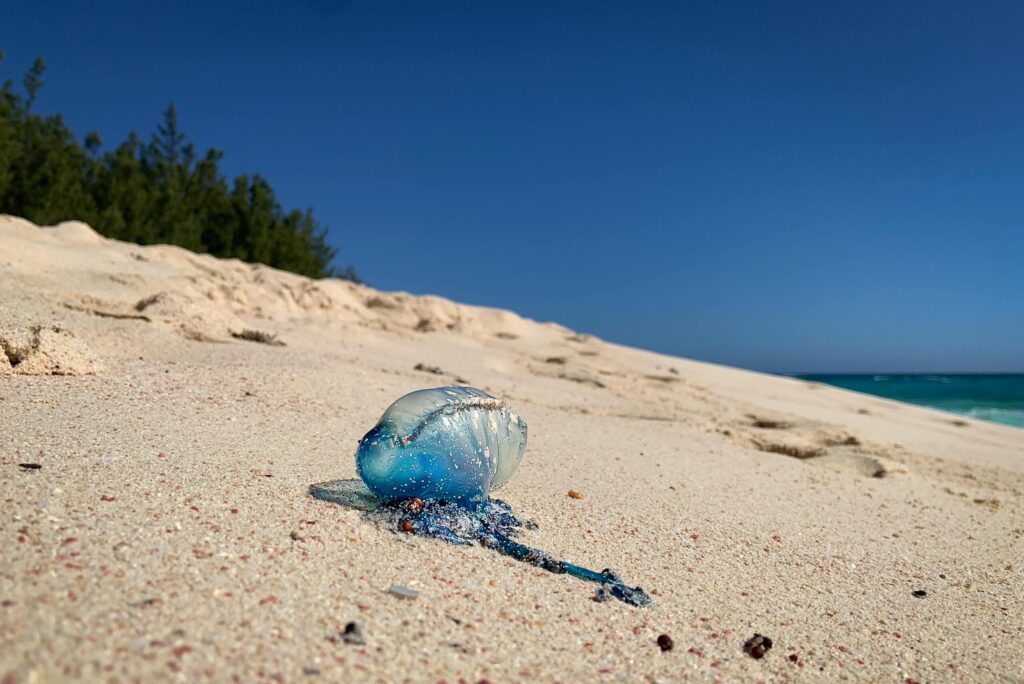
Bluebottles and other marine stingers are common on many Australian beaches, particularly during warmer months and periods of onshore wind.

If stung:

  • rinse the area with hot water (not boiling)
  • carefully remove tentacles with a gloved hand or card
  • avoid rubbing the sting

Vinegar is recommended for tropical species like box jellyfish and Irukandji, found in northern Australia, but not for Bluebottles.

Seek urgent medical help if symptoms become severe or include difficulty breathing, chest pain, dizziness, or signs of an allergic reaction.

A picturesque ocean wave crashes on a sunny beach with clear blue skies.
Portuguese Man-of-War lies on Bermuda's pink sand beach under clear blue skies.

Supervise Children Closely

Children should always be closely supervised near the water, even in shallow areas.

Small waves and currents can easily knock children over, pull them away and separate them from adults.

For young children and weaker swimmers, staying within arm’s reach is the safest approach.

Swim With a Friend

Swimming with someone else significantly improves safety.

A friend can:

  • call for help
  • alert lifeguards
  • assist in an emergency
  • help you stay calm if conditions change

Never Enter The Ocean Under the Influence

Alcohol and drugs impair your ability to safely judge ocean conditions and react to hazards.

They reduce your coordination, balance, judgement, and reaction time.

Even small amounts can dramatically increase the risk of drowning or injury.

Don’t Dive Into Shallow Water

Diving into unknown water is one of the leading causes of spinal injuries at Australian beaches.

Never dive:

  • down into waves
  • into shallow or unclear water
  • near sandbanks
  • during shore dump conditions

Always enter feet-first until you understand the depth and conditions.

Stay Sun Safe

Australia’s UV levels are high year‑round, and sunburn can happen quickly even on cloudy days.

To protect yourself against the harmful effects of the sun, be sure to:

  • apply SPF50+ sunscreen
  • reapply after swimming
  • wear protective clothing
  • use shade during the middle of the day when UV peaks.

If you do get sunburned, cool the skin, stay hydrated, and avoid further sun exposure until it settles.

Basic Beach Etiquette

Good beach etiquette helps keep everyone safer and more comfortable on the beach.

  • Don’t block the flagged swimming area with boards or inflatables.
  • Avoid swimming directly in front of surfers or bodyboarders.
  • Give surf craft plenty of space.
  • Don’t feed wildlife, including fish, birds, or rays.
  • Stay clear of rescue operations and emergency equipment.
  • Take your rubbish with you to help protect marine life.
  • Give others space where possible.

Extra Tips for a Safe Beach Day

  • Check local beach conditions before you go.
  • Use the Beachsafe app for patrol information and hazard alerts.
  • Avoid swimming near rocks, river mouths, or headlands.
  • Enter the water slowly to assess depth and conditions.
  • If the surf looks rough or unpredictable, stay out.
  • Reapply sunscreen regularly throughout the day.
  • Stay hydrated, especially during hot or windy weather.
  • Seek shade during the middle of the day when UV levels are strongest.
  • Know your own abilities and limits.

Key Takeaway

Beach safety isn’t about avoiding the ocean — it’s about understanding it.

The ocean deserves respect, not fear. Learning how beaches work helps you stay safer, more confident, and more capable in the water.

Beach scene with lifeguard station and red flag warning against strong waves.

Explore More

Shopping Cart
Scroll to Top