A beach that feels calm one day can shift to rough and unpredictable the next — even when the sky is clear.
That’s because beaches are shaped by constantly moving water and weather. Wind, waves, tides, currents, and shifting sandbanks all work together to influence how safe conditions are for swimming.
Understanding how these forces interact helps you spot hazards earlier, choose safer swimming conditions, and better understand weather and surf apps.
Factors That Influence Beaches
Waves, Wind, and Swell
Waves
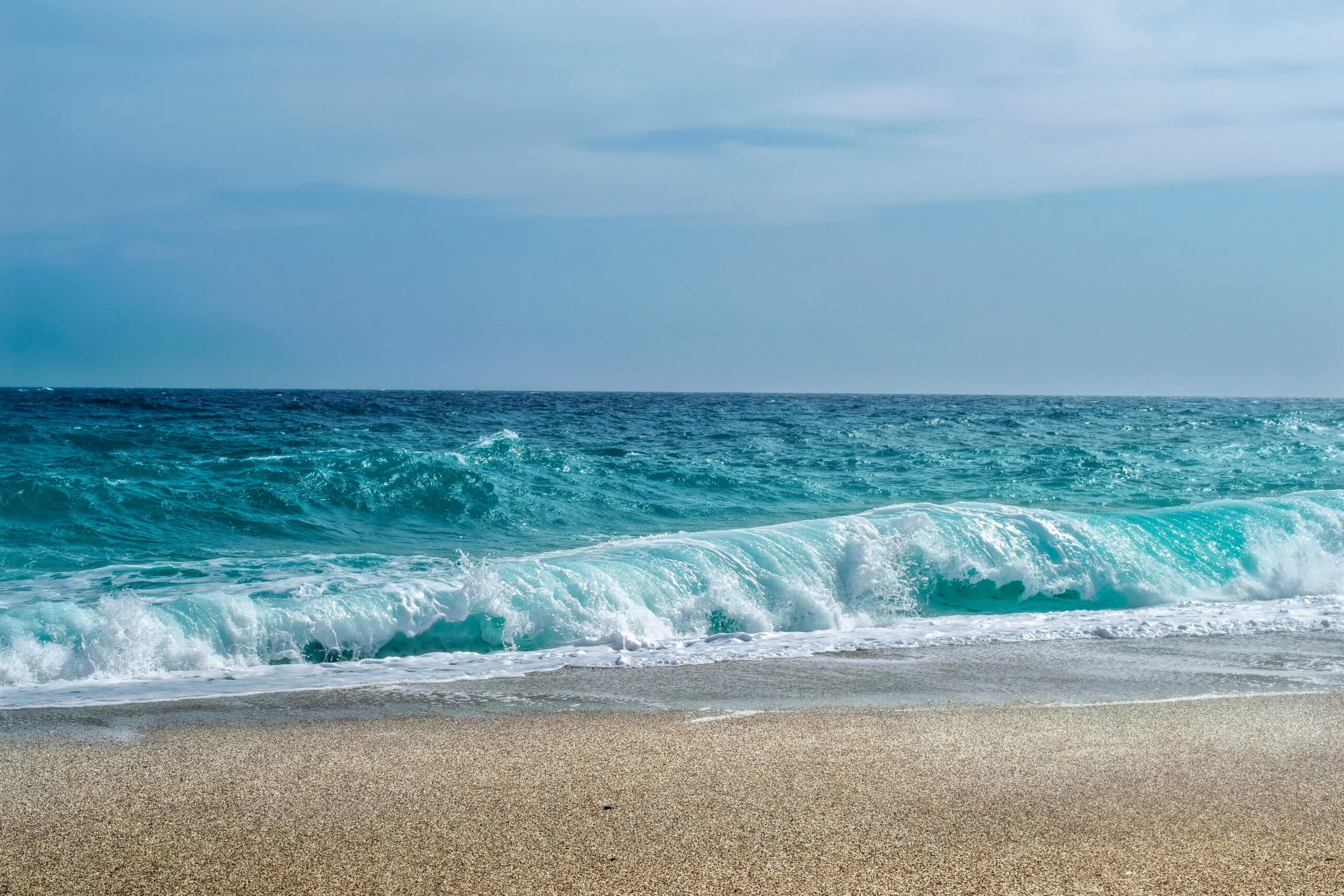
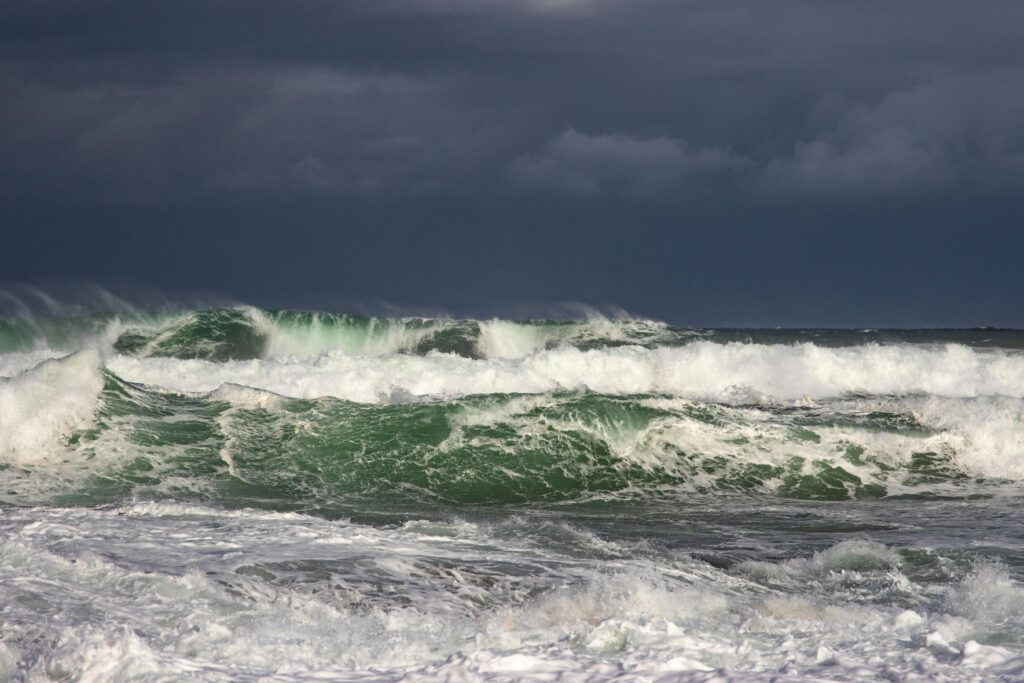
Waves form when wind blows across the ocean surface. Stronger winds generally create larger waves.
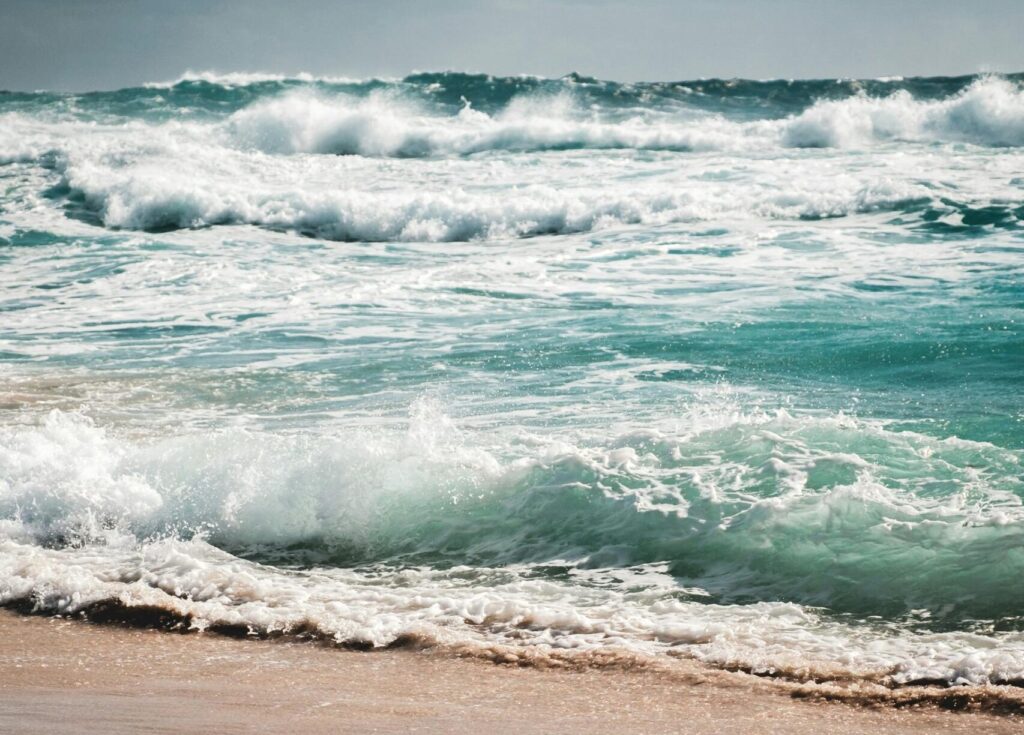
Larger waves create more water movement, stronger currents, and poorer visibility. They can also push swimmers into deeper water. Even moderate surf can make swimming much harder than it looks from shore.
Wind
Wind also affects conditions at the beach:
- Onshore winds (blowing toward land) usually create choppy, rough water.
- Offshore winds (blowing from land out to sea) often create cleaner-looking waves, but can carry weaker swimmers and inflatables farther offshore.
Swell
Large storms far offshore can send powerful swell across the ocean, creating big surf on otherwise calm, sunny days.
But the direction the swell is coming from matters. Some beaches are exposed to incoming waves and become rough quickly, while others are sheltered by headlands or islands and can stay much calmer.
Currents, Sandbanks, and Gutters
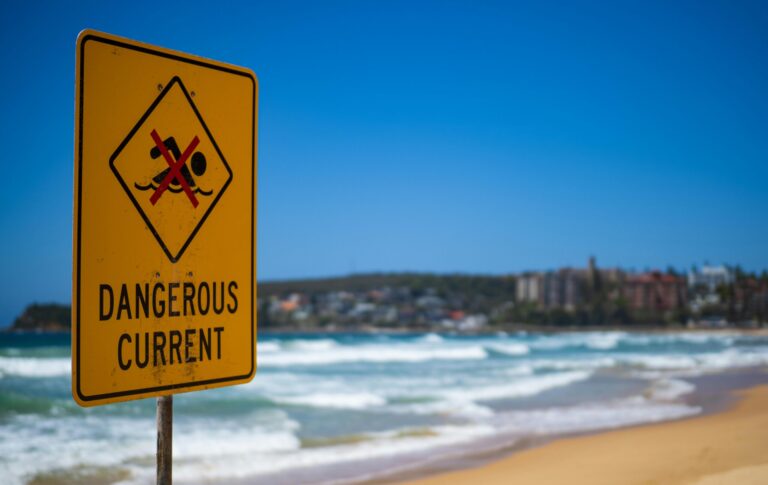
Ocean currents are constantly moving water around the beach. They are shaped by waves, tides, wind, and the underwater shape of the seabed.
Two important beach features are:
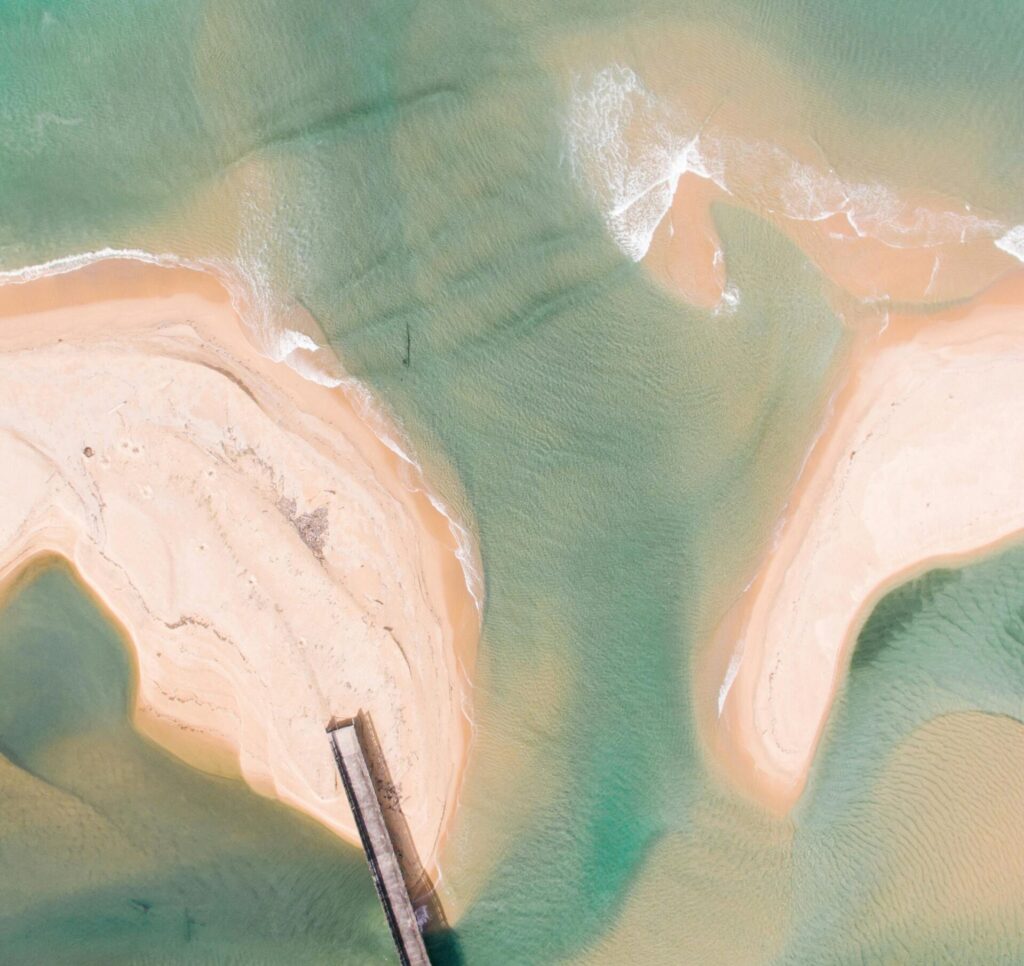
- Sandbanks — raised underwater areas where waves often break.
- Gutters — deeper channels between sandbanks.
Water often flows through these deeper channels, creating stronger currents.
These currents can:
- Sweep swimmers along the beach
- Pull people into deeper water
- Make it difficult to return to shore
- Become much stronger during large surf
If waves are breaking along the beach but there is a darker, calmer-looking gap between them, avoid swimming there. These areas are often rip currents carrying water back out to sea. See our article about how to spot rip currents.
Currents can change quickly because sandbanks constantly shift, especially after storms or periods of large surf.
Tides
Tides are the regular rise and fall of sea levels caused by the moon’s gravitational pull.
Most beaches experience two high tides and two low tides each day, with each cycle roughly six hours apart. Tide times are predictable and easy to check on weather and surf apps.
As tides rise and fall, they change water depth, current strength, and where waves break.
At high tide:
- Water reaches farther up the beach
- Waves often break closer to shore
- Beaches become narrower
- Some currents strengthen
- Shorebreak can become more powerful
At low tide:
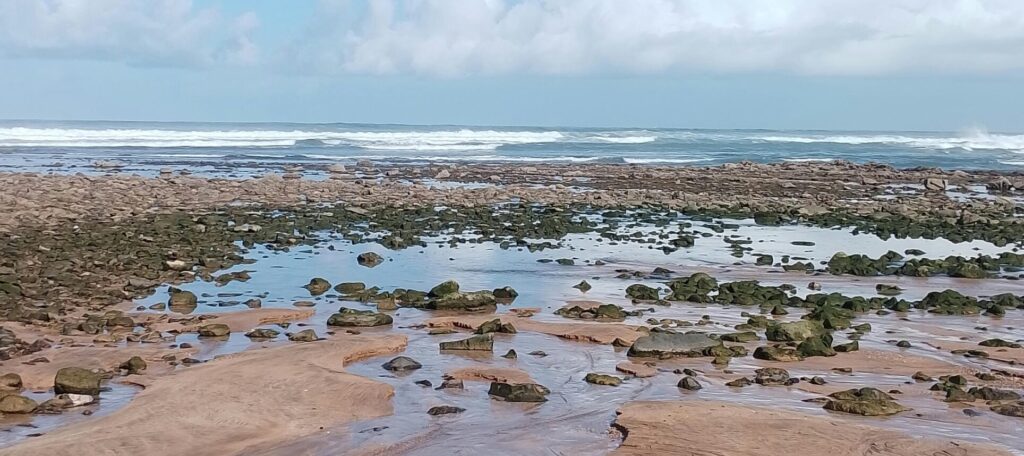
- Sandbanks and shallow areas become more exposed
- Gutters and channels are easier to spot
- Rocks and reefs may emerge
- Water movement through deeper channels can increase
River Mouths and Headlands
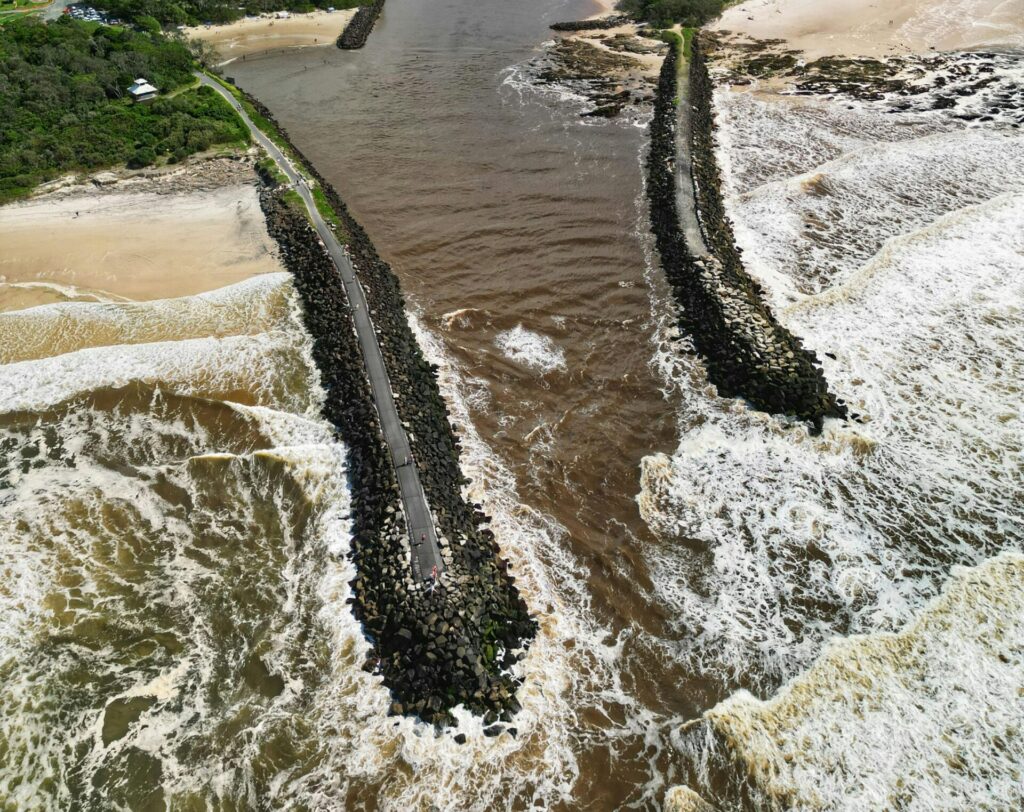
River mouths, estuaries, rocky headlands, and coastal points create complex and unpredictable water movement.
Water flowing out from rivers and estuaries adds extra current into the ocean, especially after heavy rain. These areas also tend to have rapidly shifting sandbanks, deeper channels, murkier water, and uneven wave patterns.
Headlands and rocky points redirect wave energy and funnel water around them, often creating stronger sweep currents and deeper moving water near rocks.
Even when nearby beaches appear manageable, conditions around river mouths and headlands can be significantly stronger and more hazardous.
Storms and Changing Conditions
Storms and large surf can reshape beaches surprisingly quickly.
Several days of heavy surf may:
- Shift sandbanks
- Deepen gutters
- Strengthen currents
- Erode beaches
- Expose rocks and debris underwater
A beach that had a gentle slope last week may suddenly have a steep drop-off after a storm. These changes can alter how waves break and how water moves long after the storm has passed.
Choosing Safer Conditions for Swimming
For Beginner Swimmers and Kids
Safer conditions generally include:
- Small waves (around 0–0.5 m)
- Light winds (under 10–15 km/h)
- Minimal visible current movement
- Wide shallow areas
- Clear visibility (able to see the bottom in the shallows and other swimmers at least 10–15 m away)
- Patrolled beaches
Protected beaches, bays, tidal pools, and calmer days are usually the best option for beginner swimmers.
Even small surf can feel surprisingly powerful for children or weak swimmers once they’re in moving water.
For Moderate, More Confident Swimmers
Moderate conditions can still be safe but require more awareness and comfort in the ocean.
These conditions often include:
- Waves around 0.5–1 m (up to about 1–1.5 m for stronger swimmers)
- Light to moderate winds (roughly 10–25 km/h)
- Some sideways water movement
- Deeper gutters or shifting sandbanks
- Occasional stronger sets
- Good visibility (able to clearly see other swimmers and features at least 5–10 m away)
These conditions are manageable for confident swimmers who understand how to navigate waves and mild currents, but they can still become tiring or hazardous if conditions change quickly.
Why Patrolled Beaches Matter
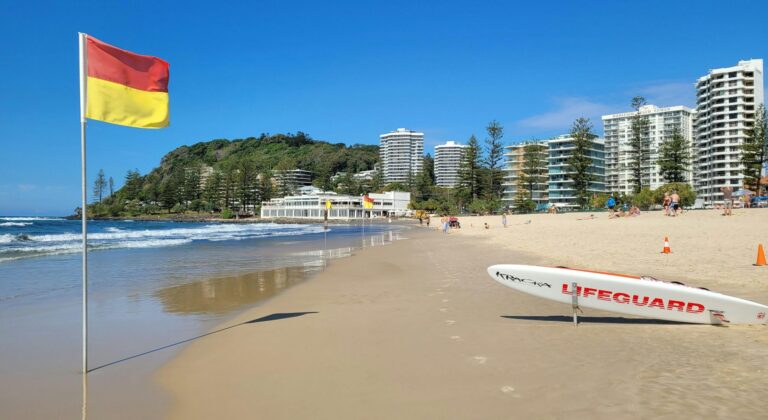
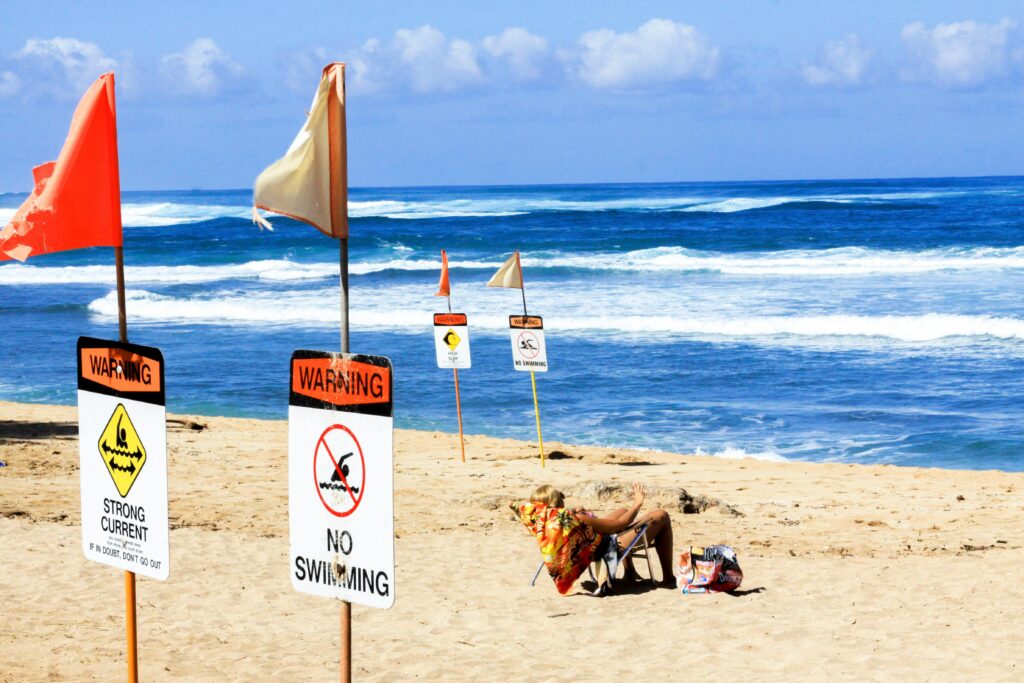
The safest place to swim at many beaches is between the red and yellow flags monitored by trained lifesavers.
Lifesavers place the flags in areas that are generally safer for swimming based on the day’s conditions — and they may move them as the beach changes throughout the day.
Even so, ocean conditions can shift quickly, so awareness remains important.
Final Thoughts
Wind, waves, tides, currents, and shifting sandbanks all influence how safe the ocean is on any given day.
When you understand how these forces interact, you can:
- recognise hazards earlier
- choose safer swimming spots
- understand why conditions change
- make better decisions before entering the water
The ocean is always moving, always reshaping itself, and always worth taking a moment to observe before you dive in.