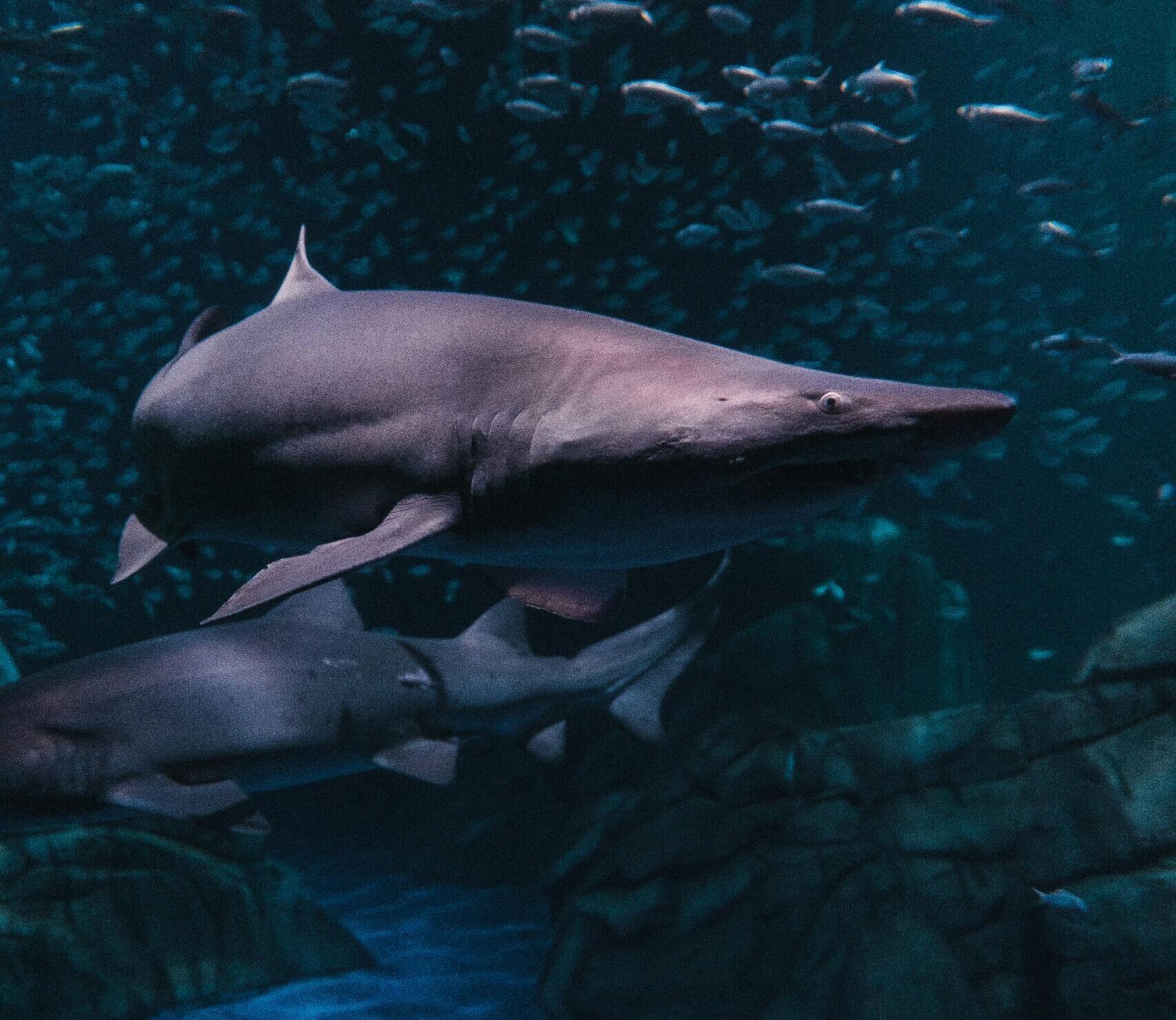
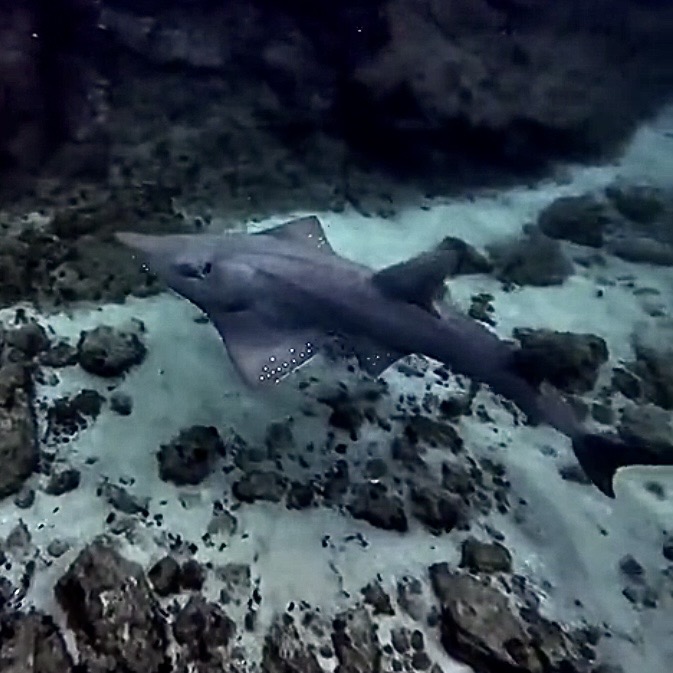
Dramatic view of sharks swimming among fish in a dimly lit aquarium.

Julian Rocks: A Local’s Guide to Snorkelling and Diving in Byron Bay

Julian Rocks — traditionally called Nguthungulli — sits within Cape Byron Marine Park, a protected area known for its rare overlap of tropical and temperate marine species. Located 5 km offshore from Byron Bay, the twin volcanic peaks rise abruptly from the open ocean and form one of the region’s most fascinating underwater environments.

Snorkelling or diving here feels raw in the best possible way. Beneath the surface are ledges, gullies, bommies, and overhangs that attract an incredible mix of marine life throughout the year. It’s a site shaped by waves and currents, full of movement and surprises, and one that rewards both first‑time snorkellers and seasoned divers.

Access is only by boat, and several reputable operators run daily snorkelling and diving tours.

Best Time to Visit Julian Rocks

Julian Rocks is a year‑round destination, but the wildlife shifts with the seasons.

Summer

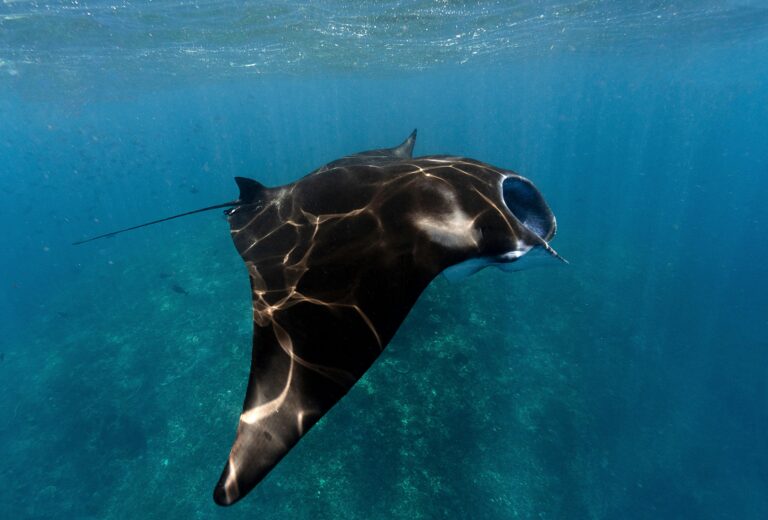
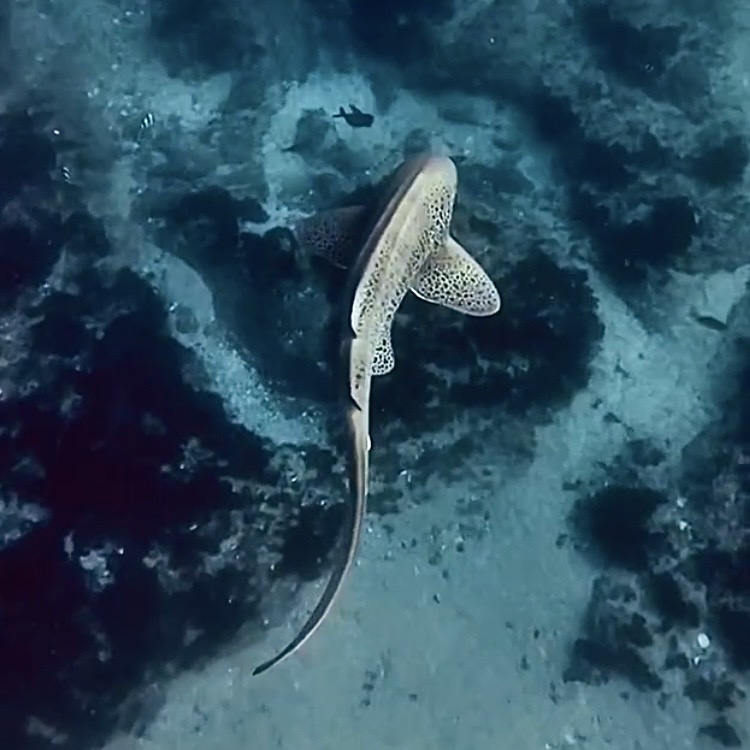
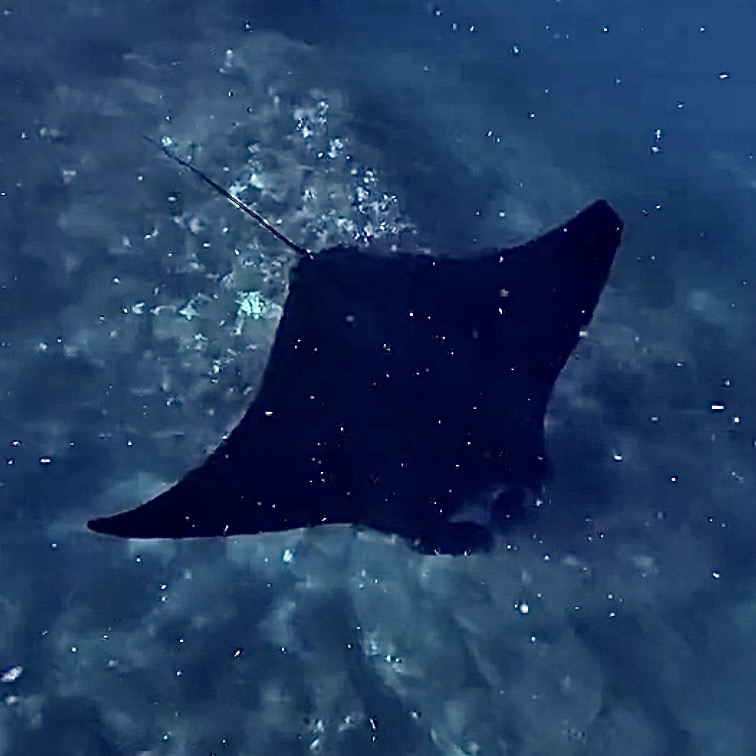
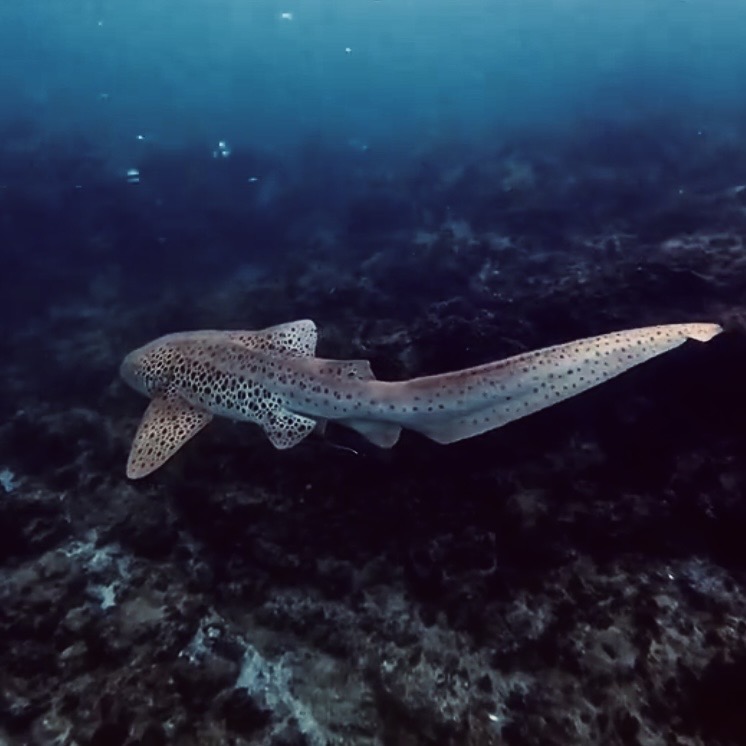
Summer brings warm water, long days, and bright conditions. This is when leopard sharks gather in large numbers, often resting or cruising over sandy patches. Manta rays also appear more frequently, especially around The Needles. Seas are often calm, making this the most popular time for snorkelling.

Visibility can vary with storms and plankton, but the marine life is exceptional.

Winter

Winter brings cooler, clearer water and a completely different atmosphere. This is when grey nurse sharks congregate in deeper areas, especially around The Trench. Watching them move slowly through the gullies is one of the highlights of winter diving.

Winter also overlaps with humpback whale migration, and sightings on the boat ride are common.

Year-Round Wildlife

No matter the season, you can expect to see:

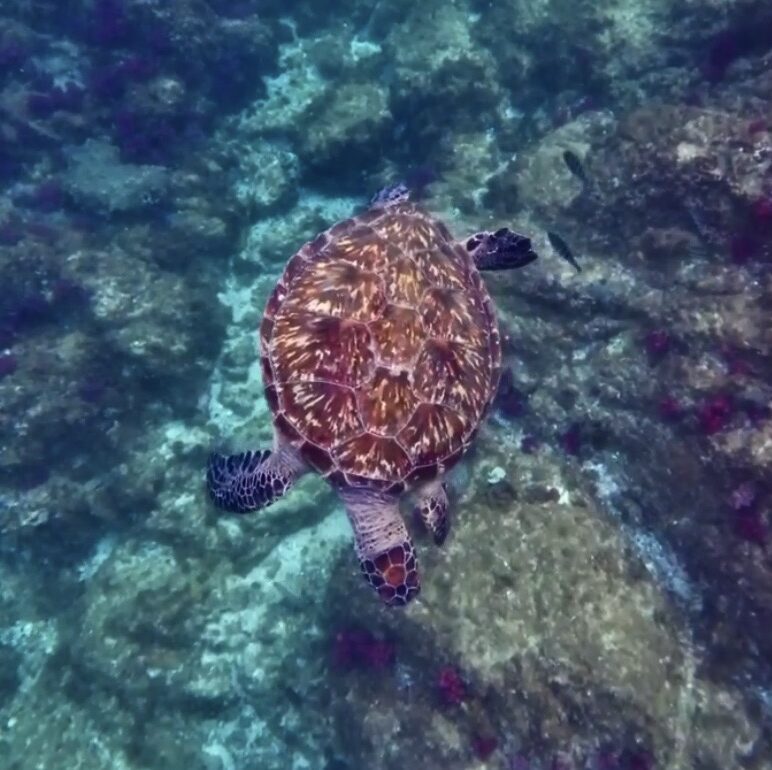
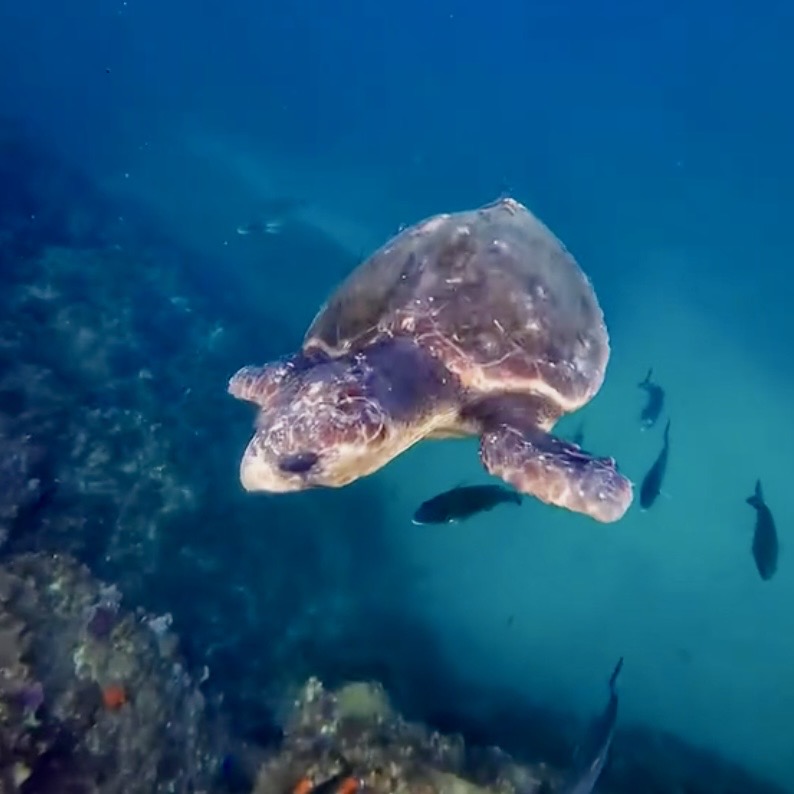
  • Green, loggerhead & hawksbill turtles
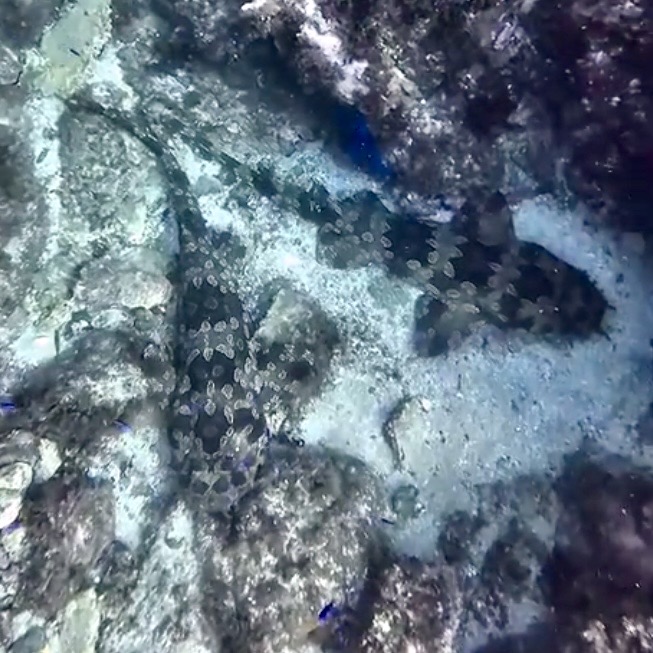
  • Wobbegongs
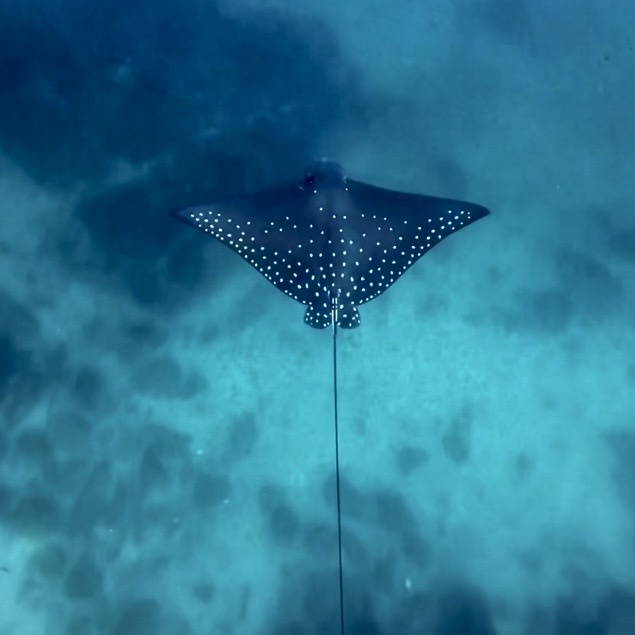
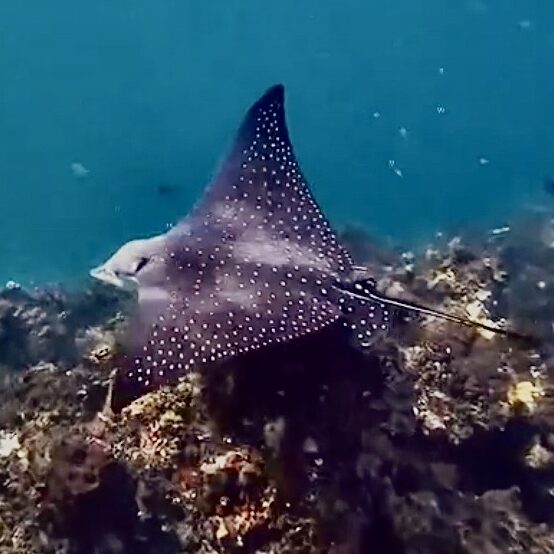
  • Spotted eagle rays
  • Octopus & cuttlefish
  • Trevally, kingfish & large schools of reef fish

Main Snorkel & Dive Sites

Visibility usually ranges from 5–25 metres depending on recent weather and site conditions.

Each site sits on a different side of the rocks, which means conditions and marine life can vary dramatically between them.

The Nursery

The most sheltered and beginner‑friendly area around Julian Rocks. It’s ideal for first‑time snorkellers, new divers, and anyone wanting a calmer experience. Turtles, wobbegongs, and schools of fish are common here, and the shallower reef structure makes it easy to explore.

The Needles

Located on the north‑western side, The Needles is one of the most vibrant sites when conditions allow. Currents bring in pelagic species, and the bommies are covered in soft corals and sponges. This is a hotspot for leopard sharks, manta rays, eagle rays, and schooling fish.

The Trench

A deeper gully system known for grey nurse shark encounters in winter. Divers often see multiple sharks circling slowly through the shadows. Because of the depth and exposure to southern swell, this site is generally better suited to diving than snorkelling.

The Cod Hole

A favourite among experienced divers, The Cod Hole is a narrow swim‑through and rocky cavity known for its dramatic lighting and close‑up encounters with wobbegongs, large schools of fish, and occasionally grey nurse sharks in winter. The structure creates natural pockets of shelter, making it a great place to observe marine life resting or moving through the shadows.

Getting There

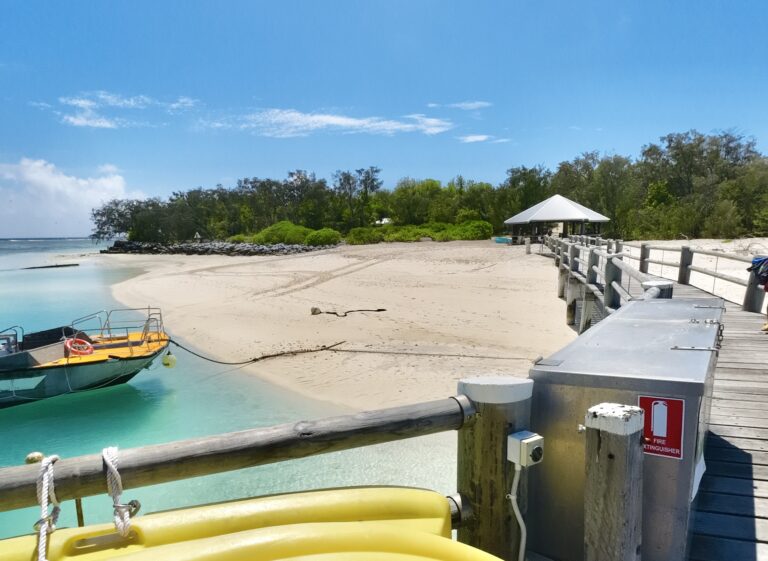
Tours depart from Byron Bay and Brunswick Heads, depending on the operator. The boat ride takes around 10–15 minutes and offers sweeping views of the coastline as you head out toward the rocks.

The open ocean crossing can feel rough for people prone to seasickness, even on calmer days.

Conditions & Safety

Conditions at Julian Rocks depend on swell, wind, tide, surge, and current strength — but they don’t need to be perfect to have a great experience.

A few things to know:

  • Visibility varies from 5–25 m
  • Operators will cancel tours if conditions are unsafe
  • Snorkellers should be comfortable in open water
  • Some operators offer introductory dives for beginners, while deeper or more exposed sites are reserved for certified divers

Sustainability & Conservation

As with any marine sanctuary, keeping a respectful distance from wildlife helps protect both the animals and the experience for future visitors.

See our article: How to Reduce Your Impact When Diving or Snorkelling

Local Tips

  • Morning tours often offer calmer conditions
  • Bring warm clothes for the ride back — the wind can be surprisingly chilly
  • Don’t underestimate the open‑ocean setting
  • Winter often offers the clearest water for underwater photography, especially after calm weather

What to Bring

Tours usually include all equipment and are suitable for both certified divers and first‑time snorkellers depending on conditions.

Most operators provide:

  • Mask & snorkel
  • Fins
  • Wetsuit
  • Floatation equipment
  • Guide or marine biologist

You should bring:

  • Swimmers
  • Towel
  • Reusable water bottle
  • Reef‑safe sunscreen
  • Warm clothes
  • Seasickness medication if needed
  • Underwater camera
  • Dry bag for valuables

Final Thoughts

Julian Rocks is one of the most rewarding places to snorkel or dive on the east coast — just ask us! See our article: My First Dive at Julian Rocks: the Day the Ocean Showed Off

It’s one of the few places in the region that still feels genuinely wild. Some days you drift with turtles in calm blue water; other days you’re watching sharks move through deep gullies. The mix of tropical and temperate species, the seasonal gatherings of sharks, and the rugged volcanic reef make every visit an unforgettable experience.

For many people, it ends up being the highlight of their time in Byron Bay. We definitely recommend visiting if you get the chance.

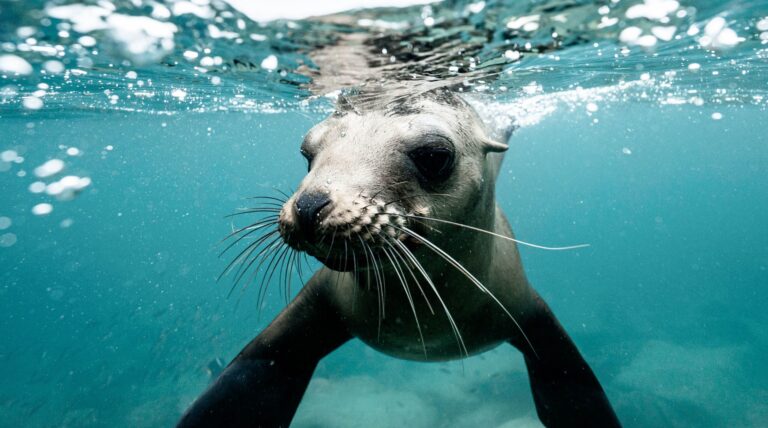
See below for some screen grabs from a day snorkelling at Julian Rocks

Explore More

Scroll to Top