There are very few places on the Great Barrier Reef where you can wake up, walk a few metres from your room, and immediately find yourself surrounded by reef life.
That’s what makes Heron Island so special.
Perched directly atop the southern Great Barrier Reef, roughly 80 km northeast of Gladstone, Heron feels less like a typical island getaway and more like temporarily living inside the reef.
The island sits on a vast reef platform spanning several dozen square kilometres and supports an extraordinary concentration of life. Well over half the coral species found across the Great Barrier Reef occur here, alongside hundreds of fish species, nesting turtles, rays, and reef sharks.
Why Heron Island Is So Unique
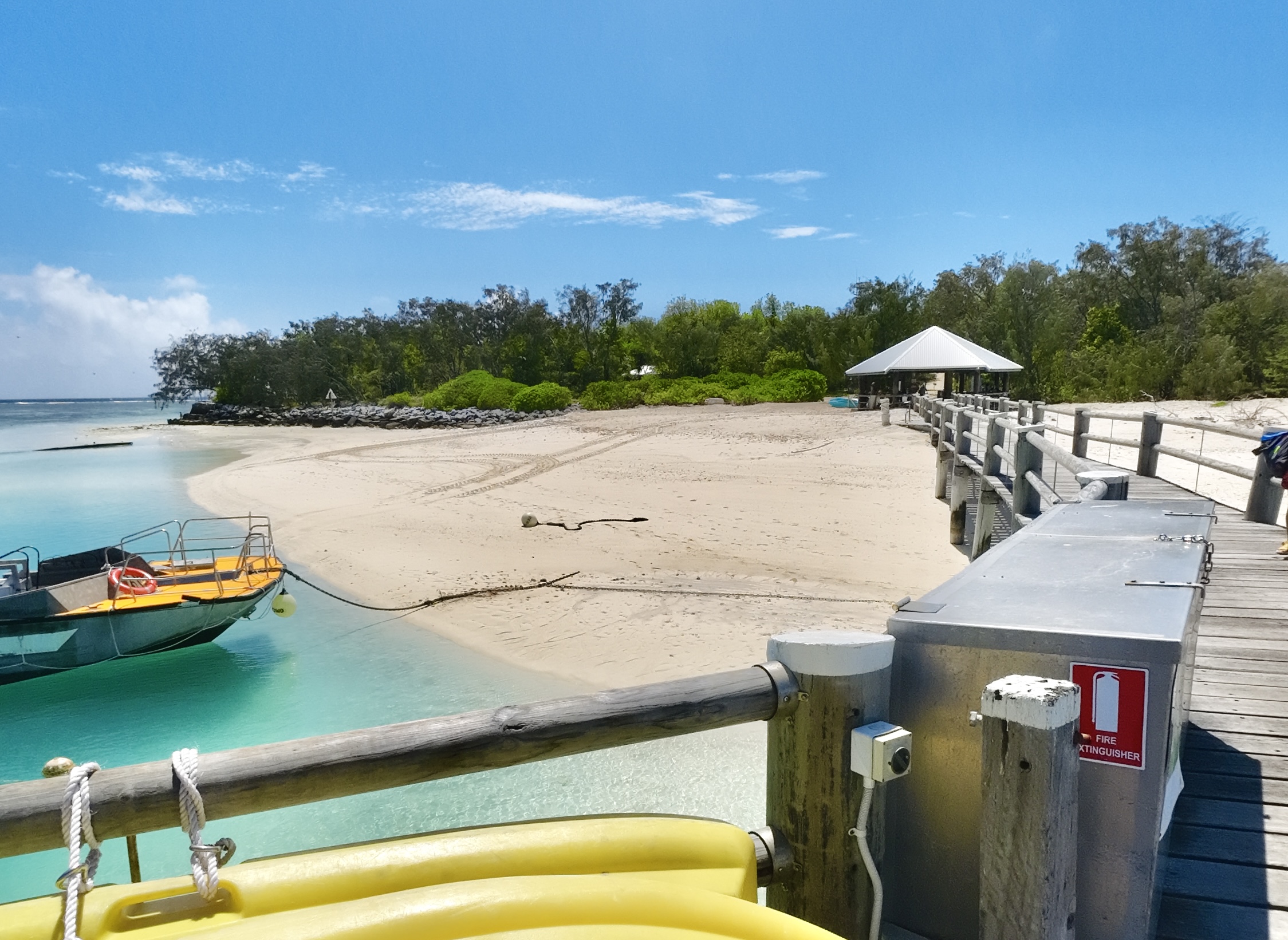
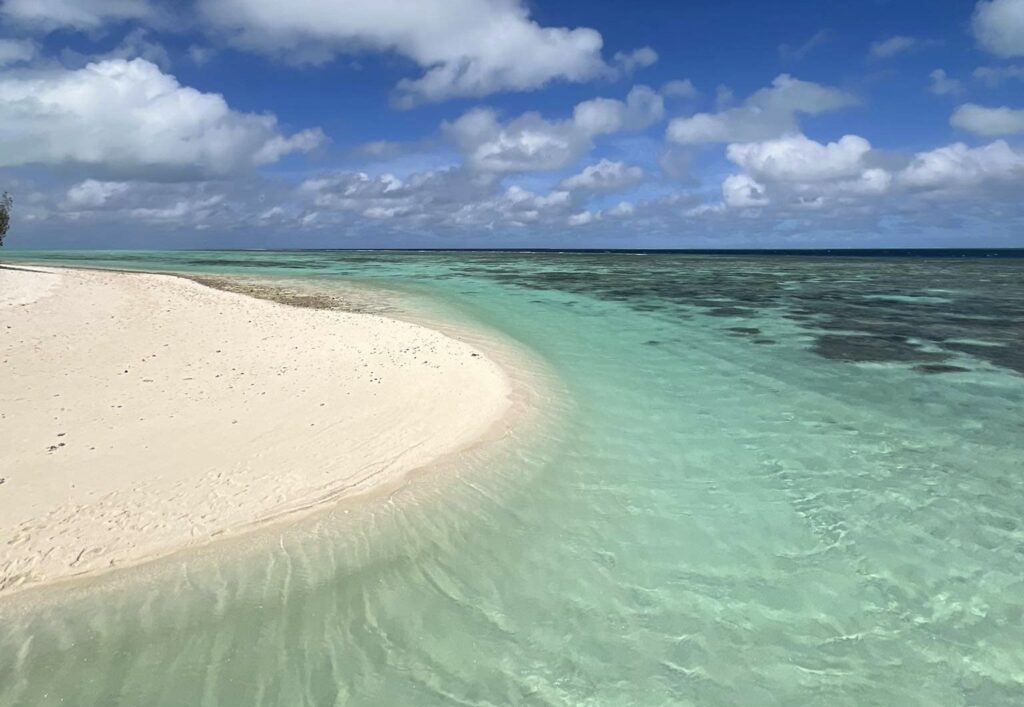
Heron Island is a coral cay built from coral rubble and sand accumulated over thousands of years. Because the reef begins almost directly at the shoreline, the island feels fully immersed in the surrounding ecosystem.
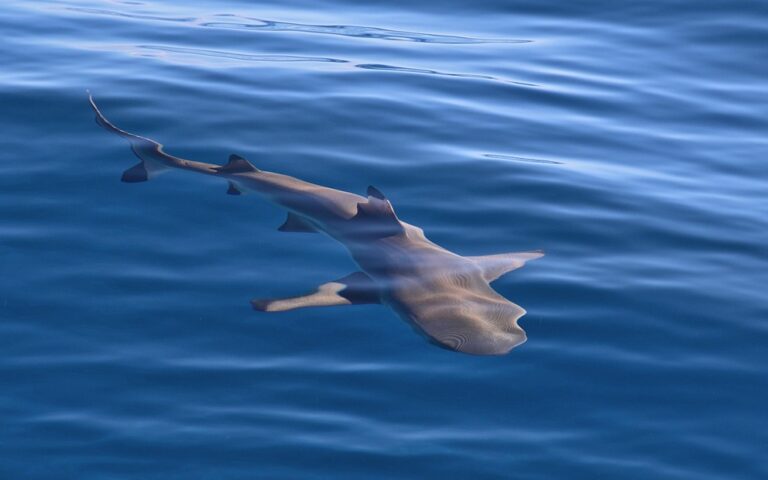
Wildlife moves through the shallows all day, often only metres from shore. At high tide, blacktip reef sharks and rays move through water shallow enough to stand in, while turtles regularly surface beside the beaches and harbour walls.
Even before entering the water, you’re surrounded by the reef — seabirds calling overhead, turtles surfacing beside the jetty, and the constant sound of waves breaking across the outer reef.
There’s almost always something happening, no matter the tide:
- High tide for snorkelling and diving
- Low tide for reef walks
- Dawn and dusk for turtle activity
- Night for nesting turtles and nocturnal reef life
Best Time to Visit Heron Island
Visibility typically ranges from 10-25+ metres, depending on tide, wind, swell, and weather.
Summer (November–March)
- Warm water temperatures: 24–29°C
- Warmer daytime weather
- Variable visibility
- Higher chance of storms
- Good for turtle nesting and hatchlings
Winter (June–August)
- Cooler water temperatures: 18–23°C
- Often clearer and calmer water
- Comfortable daytime temperatures
- Good for larger rays and pelagic species
Seasonal Wildlife Highlights
- November–March: Turtle nesting and hatchlings
- June–August: Manta rays and clearer water
- Summer evenings: Increased shark and ray activity in the harbour
- Low tide year-round: Epaulette sharks and reef critters exposed on the reef flat
Getting to Heron Island
Heron Island is accessed via ferry or helicopter from Gladstone.
The ferry takes around two hours and crosses open ocean. Seasickness medication is strongly recommended — even for people who don’t normally get motion sickness.
Note that there is only one ferry crossing per day, and the ferries don’t run on Tuesdays and Thursdays.
Helicopter transfers are faster and offer sweeping views over the reef, though they come at a much higher cost.
Once you arrive, you’ll receive an island overview covering accommodation, dining, the marine centre, research station, and guided activities.
Life on the Island
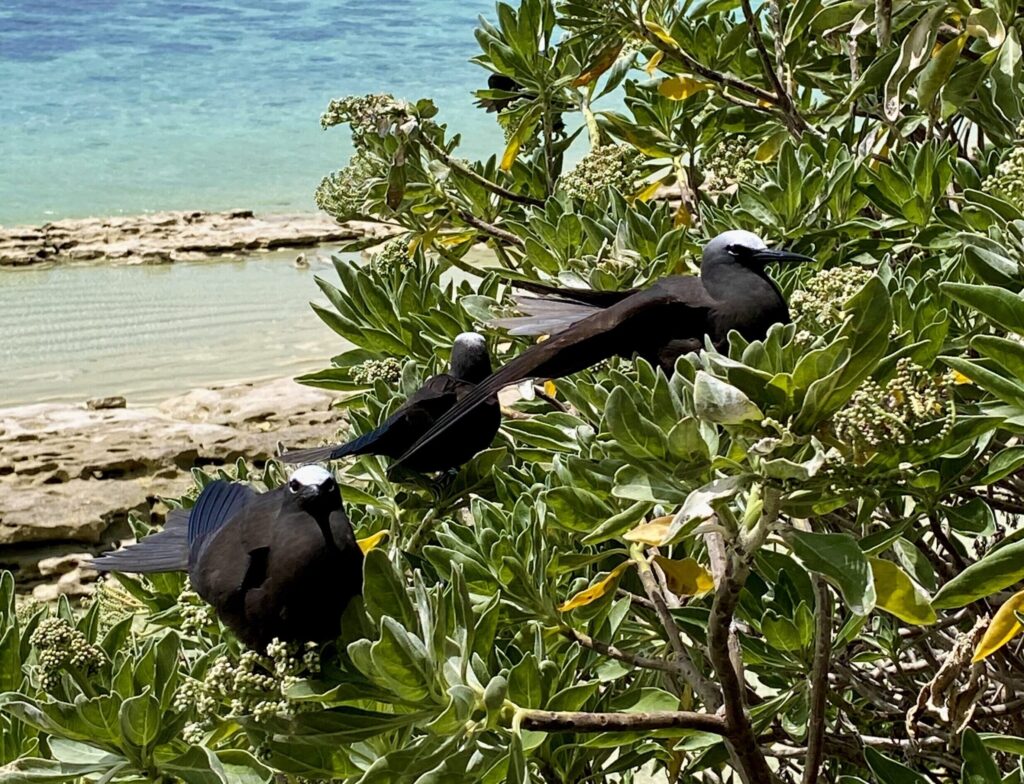
Heron keeps you connected to the reef even when you’re out of the water. Birdlife is constant, especially during breeding season, with noddies, shearwaters, terns, and egrets nesting throughout the island — often in the ground, so watch your step!
Sharks
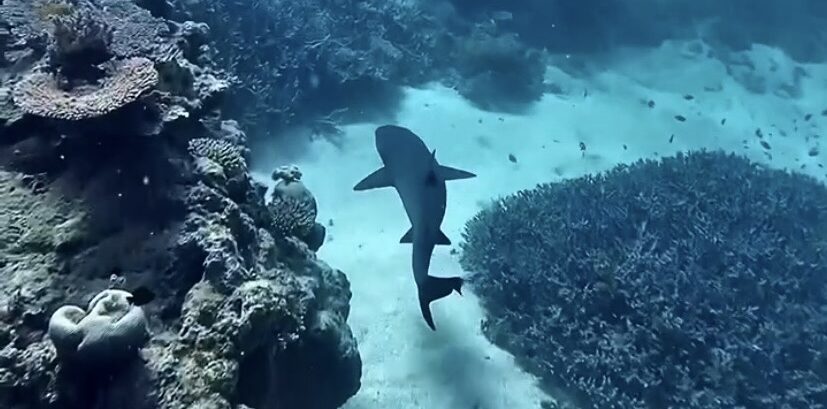
Heron Island is one of the best places on the southern Great Barrier Reef for reliable shark encounters.
Common species include:
- Lemon sharks
- Blacktip reef sharks
- Whitetip reef sharks
- Wobbegongs
- Epaulette sharks
Heron’s resident lemon sharks are a highlight, often seen cruising slowly through the shallows or resting near the harbour. Larger females can exceed 2 metres in length and are generally indifferent to snorkellers who observe respectfully from a distance.
Guidelines:
- Never touch or chase sharks
- Never block their movement
- Observe calmly and give space
Follow our guide on What To Do If You’re In The Water With a Shark
Rays
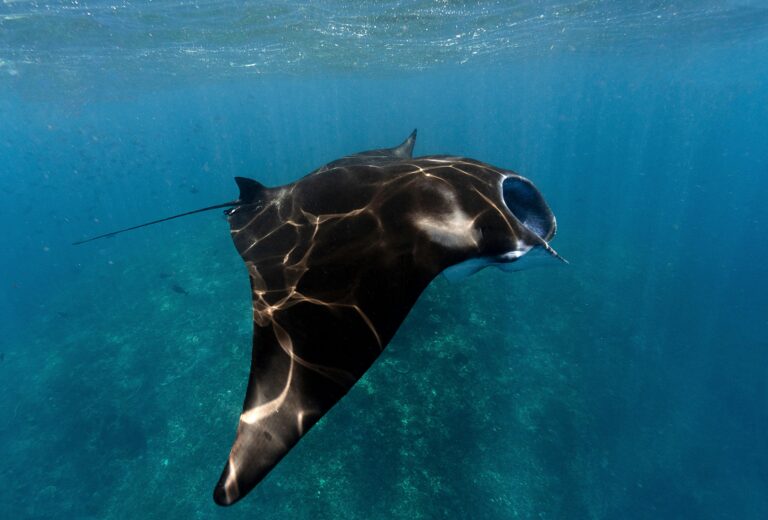
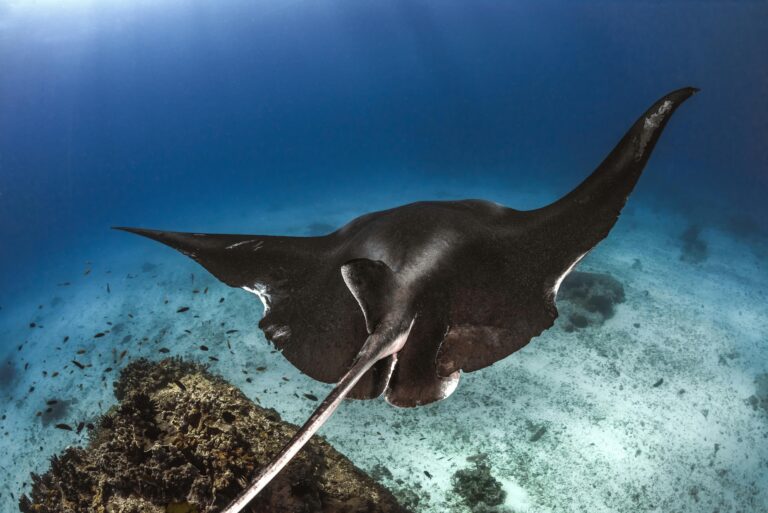
Rays are consistently seen around Heron — resting in sandy channels, gliding over the reef edge, or cruising through the harbour.
Regular species include:
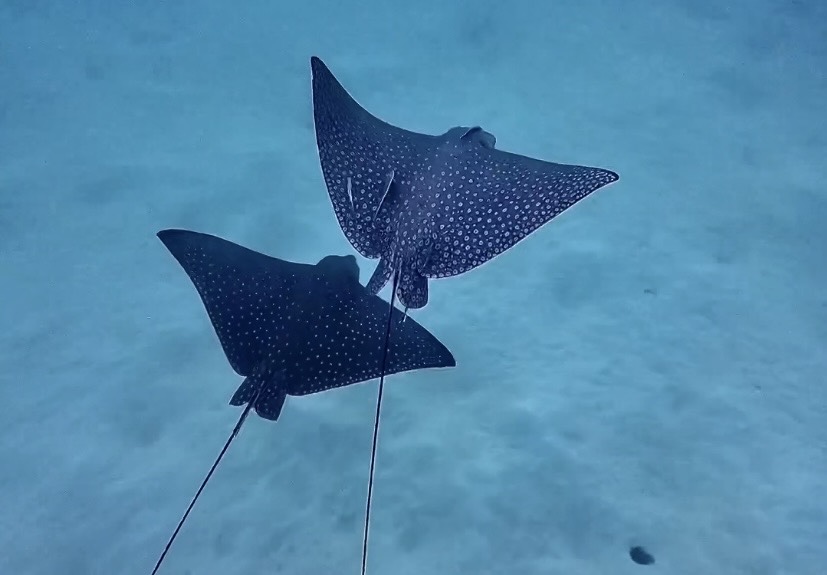
- Eagle rays
- Cowtail rays
- Blue‑spotted rays
- Shovelnose rays
- Manta rays (seasonal)
Spotted eagle rays are especially memorable with their white-spotted appearance and graceful nature, often spotted swimming through the harbour and breaching near the jetty.
Shovelnose rays, with their half‑shark, half‑ray appearance, are also a fascinating find in the sandier sections of the reef and harbour.
Turtles
Common turtle species on the island include:
- Green turtles
- Loggerhead turtles
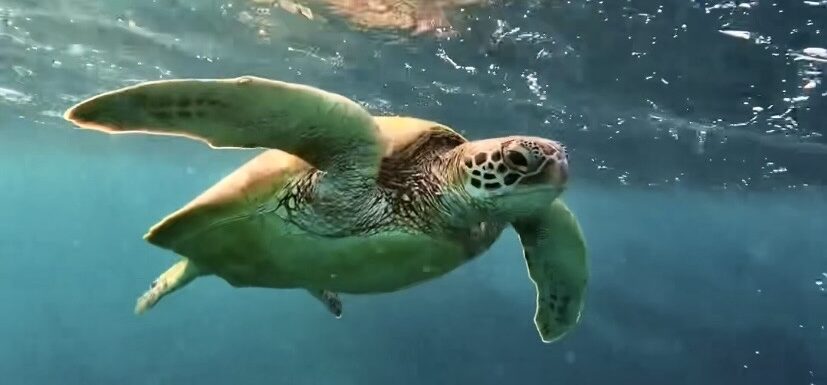
Green turtles are commonly seen at any time of the year, often surfacing beside snorkellers, resting beneath coral ledges, or grazing across the shallower reef flats during calmer tides.
During nesting season, the beaches change completely after dark as large female turtles haul themselves slowly onto shore to dig nests above the tide line. A few weeks later, nests erupt with dozens of little baby hatchlings.
Best viewing times:
- Early morning
- Sunset
- Night (during nesting season)
Guidelines:
- Do not touch turtles or hatchlings
- Stay low and quiet
- Avoid artificial light
- Follow staff instructions
Snorkelling on Heron Island
Heron offers three main snorkelling environments: the harbour, reef flat, and reef edge. Conditions shift with tide and wind, so timing matters.
Typical depths:
- Reef flat: 1–4 m
- Reef edge: 4–10 m
- Harbour: 2–6 m
The Harbour (2–6 m)
The harbour is Heron’s most dynamic snorkelling zone — defined by movement rather than coral density. Sand patches, small scattered bommies, coral clusters, a small wreck, and a wide channel creates natural pathways for wildlife crossing between different sections of the reef.
Access:
- Closed during boat operations (approx. 8 am–4 pm)
- Best early morning or late afternoon
- Not accessible during very low tide
The Reef Flat (1–4 m)
The reef flat wraps around the whole island outside of the harbour channel. It features shallow coral patches, sandy sections, rubble zones, and small bommies accessible during mid‑to‑high tide. Conditions are usually calmer and ideal for relaxed exploration. Here you can see turtles, fish, sharks, rays, sea cucumbers and other marine life.
The Reef Edge (4–10 m)
The reef edge marks the transition into deeper water and feels more open. Coral formations become steeper and more structured, attracting larger wildlife and pelagic species.
If conditions are calm and you’re a confident snorkeller or freediver, joining one of the dive boats to access outer reef‑edge sites is highly recommended.
Diving on Heron Island
Heron’s dive sites are close, varied, and shaped more by reef structure and marine life activity than extreme depth. Most range from 5–25 metres and include coral bommies, walls, sandy channels, overhangs, and reef gardens that constantly change with tides and visibility.
Heron Bommie (5–18 m)
Heron Bommie is one of the island’s signature dive sites — a cluster of tall coral towers rising from a sandy seabed, each one acting like its own miniature ecosystem. Turtles regularly rest between the bommies while reef sharks circle the outer edges, and schools of fusiliers and trevally sweep through the gaps between coral formations. Definitely a must-do if conditions allow.
Tenements (15–25 m)
A deeper and more exposed site known for stronger currents, larger reef formations, and more open water. Schools of pelagic fish often appear suddenly out of the blue, while larger trevally patrol above the reef. On calmer days, visibility here can feel almost endless.
North Bommie (10–20 m)
Dense coral growth and tightly packed bommies create shelter for huge clouds of glassfish that scatter instantly whenever predators move through. Turtles weave slowly between coral heads while reef sharks cruise the sand channels below.
Coral Canyons (10–18 m)
A maze of coral corridors and sandy channels that naturally funnel marine life through narrow passages. Sweetlips, groupers, and rays are often seen tucked beneath ledges while schools of fish move constantly through the canyons with the current.
Coral Grotto (5–20 m)
A more sheltered site filled with overhangs, coral clusters, and smaller crevices that reward slower exploration. Moray eels peer from cracks in the reef while nudibranchs, shrimp, and other smaller critters hide among the coral formations.
Gorgonian Wall (11–20 m)
A dramatic wall dive covered in large fan corals, ledges, and crevices descending into deeper blue water. Reef sharks and larger fish often patrol along the outer edge while soft corals sway continuously in the current.
Wistari Reef
Wistari Reef is a broader offshore reef system with expansive coral gardens, sandy channels, and more exposed conditions than the sites directly surrounding Heron Island. Large schools of fish frequently gather above the reef edge, and turtles are commonly seen cruising slowly over the coral flats during calmer conditions.
Access via organised boat trips.
Reef Walks & Low Tide Exploration
As the tide drains off the reef flat, shallow pools become isolated across the coral platform, exposing hidden sections of reef normally concealed beneath the water, allowing guided reef walks and shallow exploration.
You may spot:
- Epaulette sharks
- Sea cucumbers
- Giant clams
- Reef crabs
- Small fish in pools
- Hard coral formations
- Rays resting in shallow channels
Epaulette sharks are a highlight — famous for “walking” across the reef using their fins.
Conditions & Safety
- Plan snorkelling around tides and conditions
- Respect harbour closures
- Do not touch coral or wildlife
- Be aware of currents around reef edges
- Shuffle feet in sandy shallows
Final Thoughts
Heron Island doesn’t feel separate from the reef — it feels embedded within it.
You’re not travelling out to the reef and returning later. The reef is already there: beneath the jetty, beside the beach, across the harbour, and surrounding the island at every tide.
One moment you’re watching eagle rays glide beneath the jetty. The next you’re drifting over coral bommies, walking exposed reef flats at low tide, or spotting epaulette sharks in shallow water.
For snorkellers and divers seeking an immersive, active, and deeply connected reef experience, Heron Island is hard to beat — just ask us! See our blog post: Heron Island: The Place That Made Me Fall In Love With Sharks
Explore More