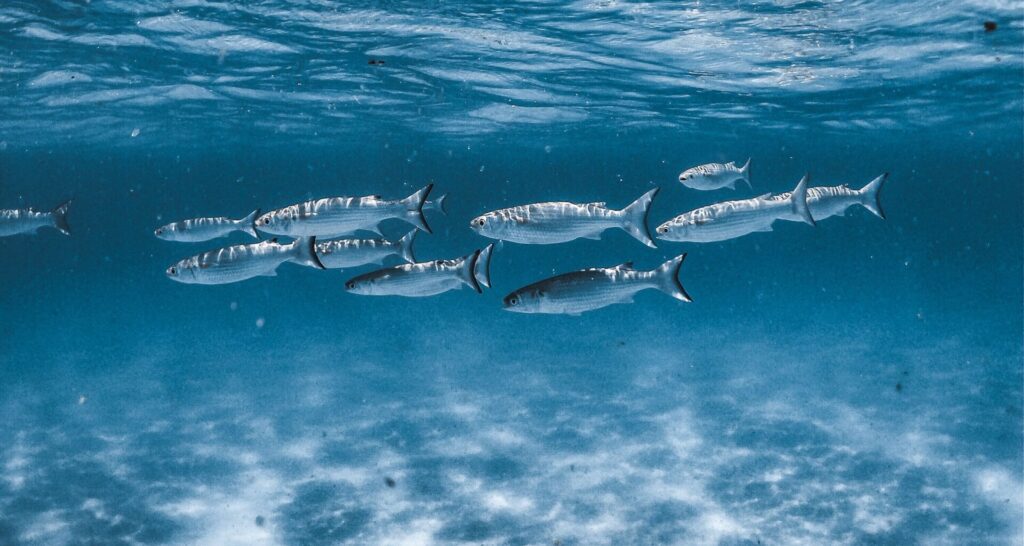
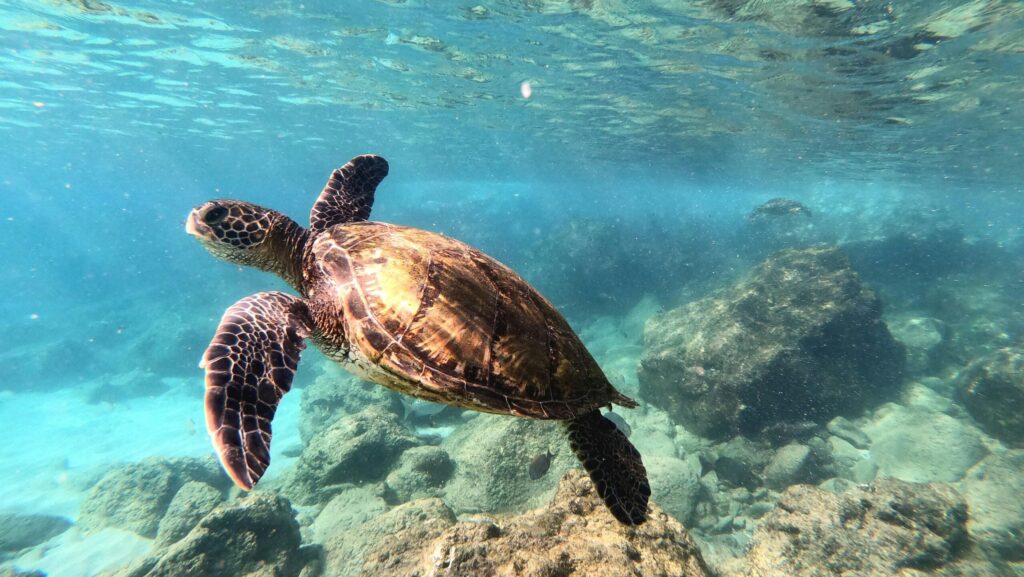
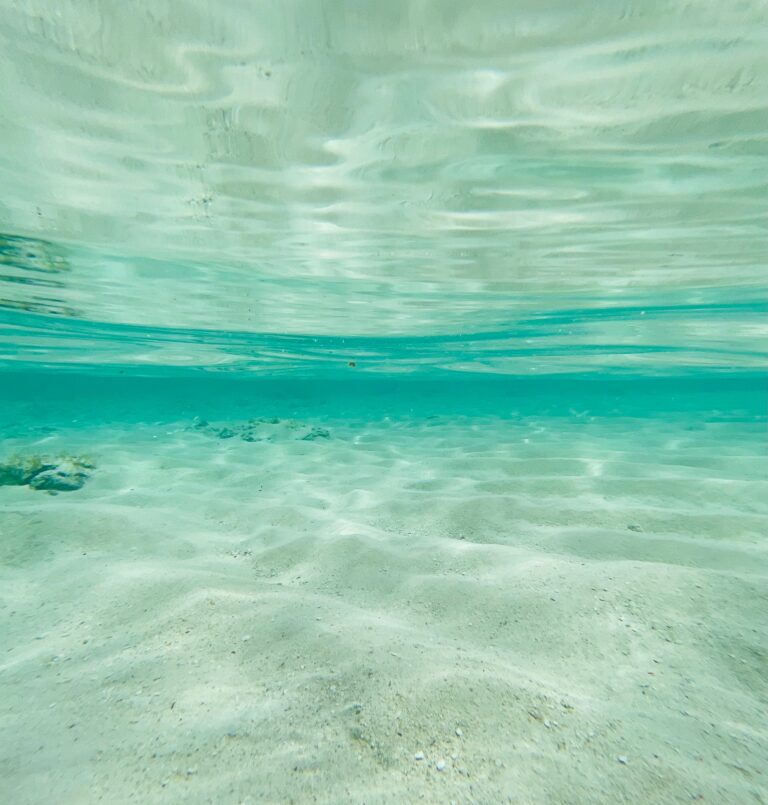
One day the ocean can be so clear that fish seem to float in mid-water. The next, the same place looks green, cloudy, or even brown, with the seafloor fading into haze.
Anyone who spends time around the coast — snorkelling, diving, fishing, or simply watching from a headland — knows how dramatically water clarity can shift. Sometimes the change unfolds over weeks. Sometimes it happens overnight.
What causes these transformations, and why are some places almost always clearer than others?
What We Mean by “Visibility”
Water visibility is the distance you can see underwater before objects become difficult to distinguish from their surroundings.
In exceptionally clear tropical water, visibility can exceed 40 metres. In estuaries, rivers, or after storms, it may drop to less than a metre.
Clear water simply contains fewer particles to block, absorb, or scatter light. Understanding visibility therefore begins with understanding what is suspended in the water.
Suspended Particles: The Core Driver
Most changes in visibility come down to the amount and type of material floating in the water.
These particles include:
- Sand
- Silt and mud
- Organic matter
- Plankton
- Algae
- Detritus (dead plant and animal material)
When sunlight enters the water, these particles scatter light in all directions. The more particles present, the shorter the distance light can travel — just like fog scattering headlights on a road.
Almost every factor that affects visibility ultimately works by increasing or decreasing the concentration of suspended material.
How Waves, Swell, and Wind Stir Up the Seabed
One of the fastest ways for visibility to deteriorate is when the seabed becomes disturbed.
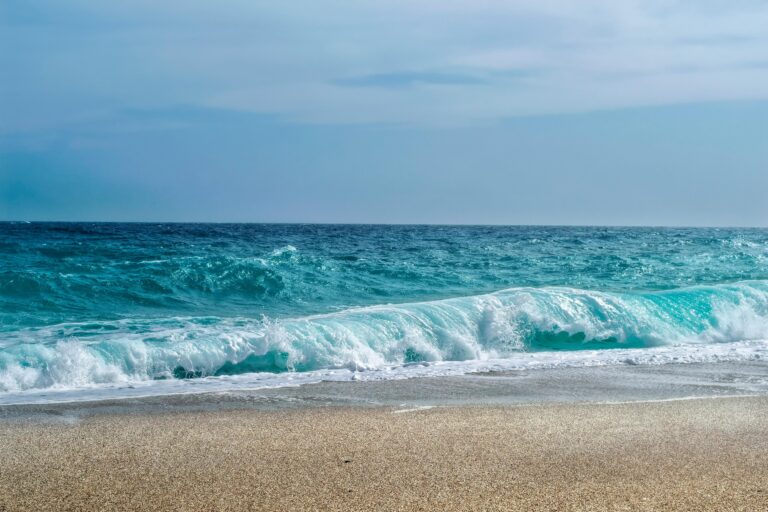
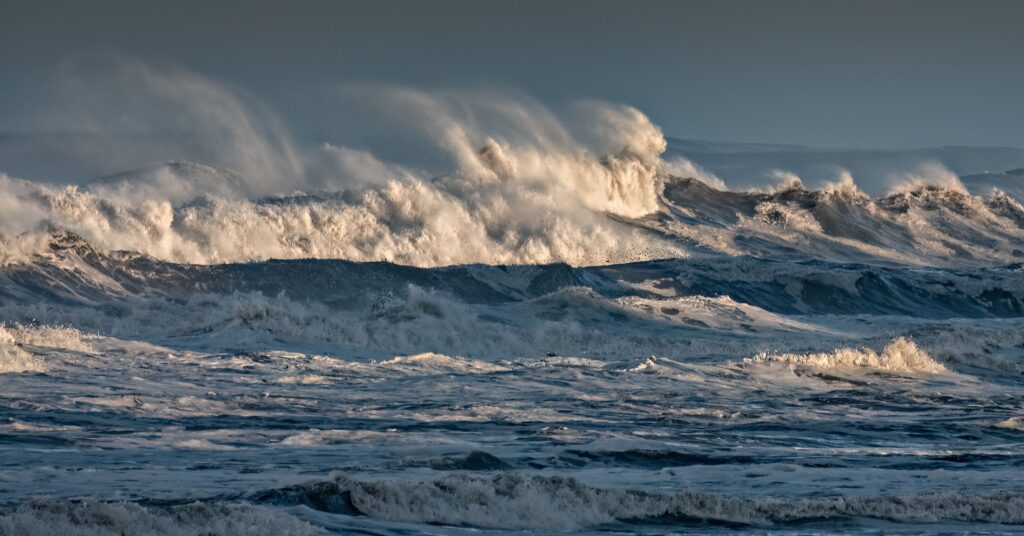
As waves move through shallow water, they create turbulence near the bottom. Sand, silt, and organic material that had settled out are lifted back into the water column.
Visibility often drops after:
- Strong winds
- Large swells
- Storms
- Cyclones
Long-period swell can reduce visibility even when the surface looks calm because the energy of the wave reaches all the way to the seabed.
Wind can have a similar effect. Even without large swell, persistent wind chop can keep sediment suspended.
Sandy environments are especially vulnerable. A rocky reef may remain relatively clear in conditions that would turn a sandy bay completely opaque.
Ocean Currents: The Invisible Game-Changer
Sometimes visibility changes dramatically even when the weather hasn’t.
This is often the work of ocean currents.
Currents can transport entirely different bodies of water into an area, bringing:
- Clear offshore water
- Sediment-rich coastal water
- Plankton-laden water
- River runoff from distant catchments
For divers, this can be striking. A site with 20 metres of visibility one day may have only 10 the next simply because a new water mass has moved through.
The water itself is always in motion, and visibility moves with it.
Why the Tide Matters
Tides can strongly influence clarity, especially near estuaries and coastal waterways.
Incoming tides often push cleaner offshore water toward the coast. Outgoing tides tend to carry sediment, organic matter, and river runoff seaward.
This is why some dive and snorkel sites consistently have their best visibility at a particular stage of the tide.
Experienced divers check tide charts as carefully as weather forecasts because a favourable tide can make a noticeable difference underwater.
Rivers: The Overnight Transformations
Rain falling directly into the ocean rarely affects visibility. Rain falling on land does.
When rivers flood, they deliver enormous amounts of sediment to the coast, including:
- Clay
- Fine silt
- Soil
- Organic debris
These tiny particles sink extremely slowly. Sand settles quickly, but clay and silt can remain suspended for days or weeks.
This is why visibility often stays poor long after the rain has stopped.
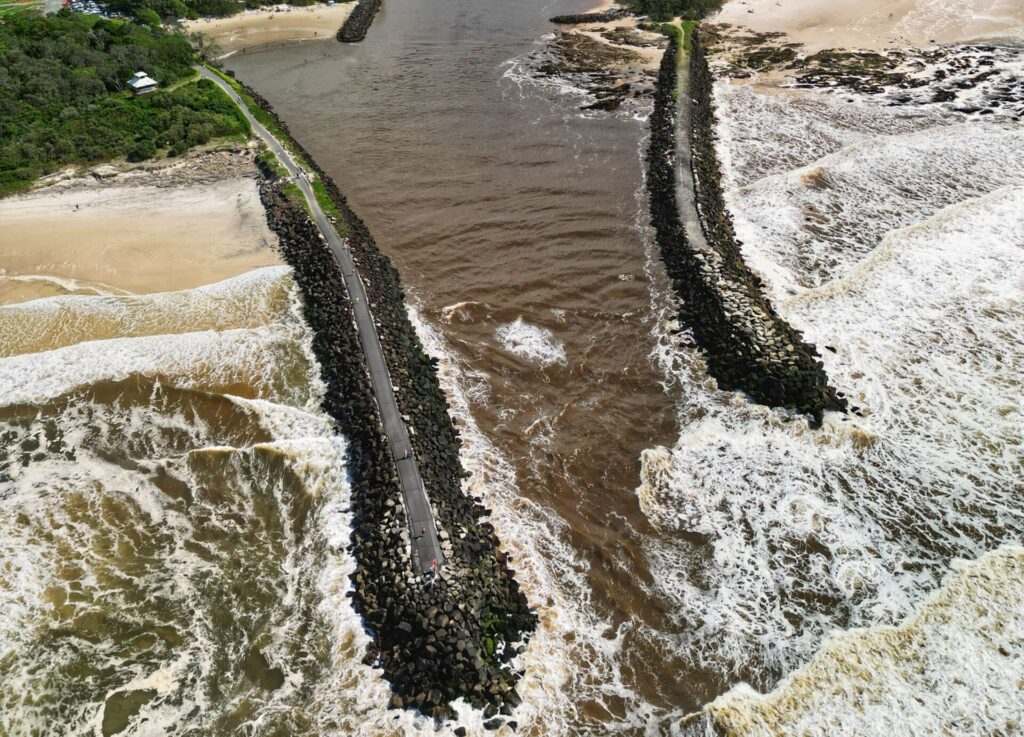
From above, these sediment plumes can stretch kilometres offshore, gradually mixing with clearer water.
When the Water Is Cloudy Because It’s Alive
Not all murky water comes from sediment.
Sometimes the water is full of microscopic life.
Plankton blooms can dramatically reduce visibility even when the water contains little sand or mud. Billions of tiny organisms scatter light, creating the green, milky, or hazy appearance common in productive coastal regions.
While frustrating for divers and photographers, these conditions often signal a thriving ecosystem. Many large marine animals — including whale sharks and manta rays — gather where plankton is abundant.
Why Tropical Water Is Often So Clear
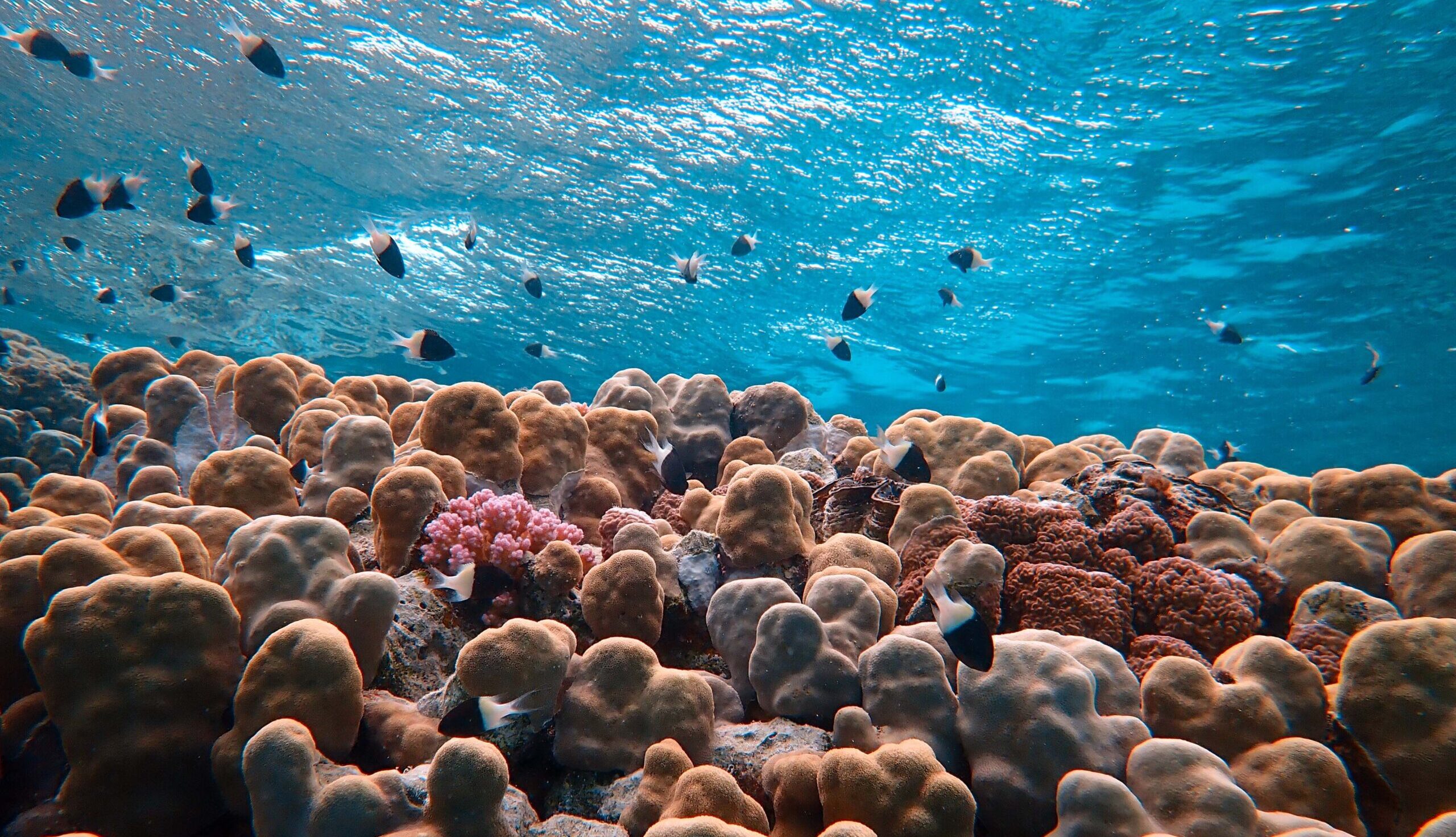
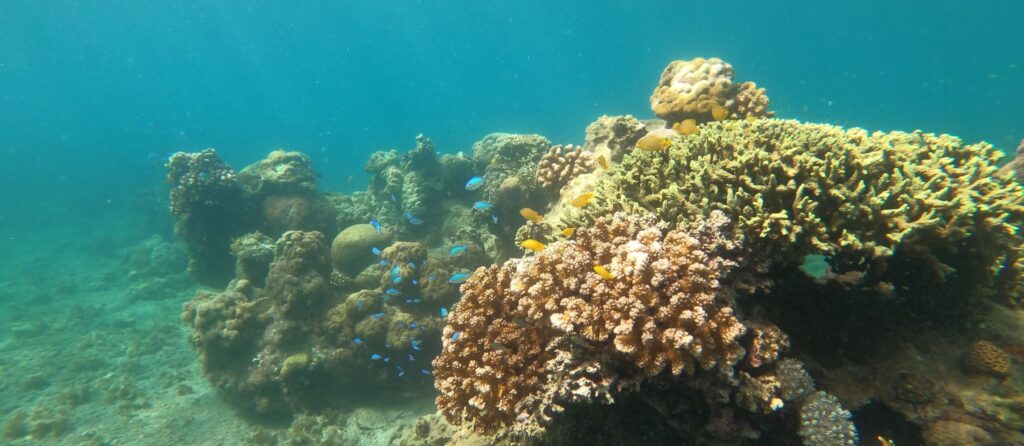
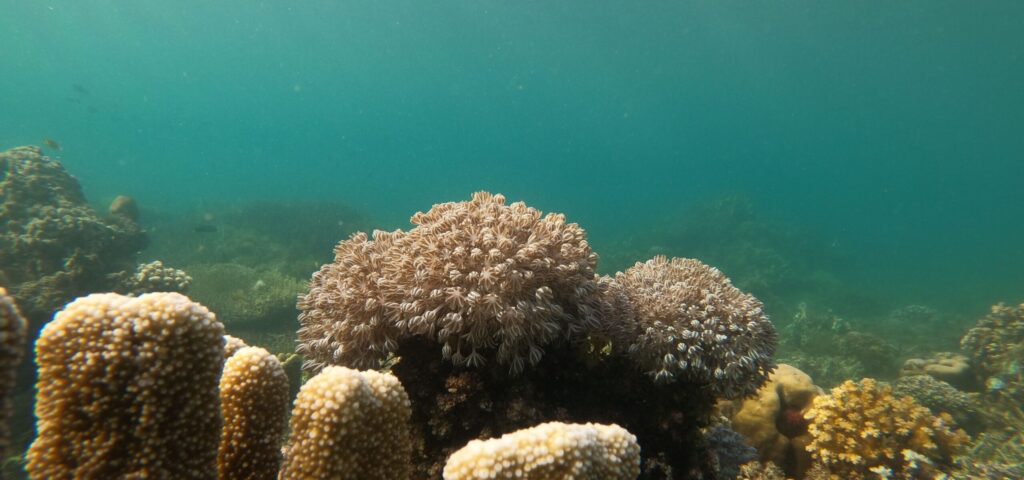
Some of the clearest water on Earth surrounds tropical coral reefs.
This clarity isn’t accidental.
Many reef systems occur in nutrient-poor waters where plankton levels remain low. With fewer suspended organisms and less sediment entering the system, sunlight can travel much farther.
Reefs also help stabilise surrounding sediments, reducing how often they are stirred into the water column.
The result is the iconic crystal-blue water associated with tropical destinations.
What Water Colour Reveals
Water colour can offer clues about what’s affecting visibility.
Blue water
- Low particle concentration
- Common offshore and around coral reefs
Green water
- High plankton levels
- Typical of nutrient-rich coastal zones
Brown water
- High sediment loads
- Often linked to storms, floods, or shallow sandy areas
Colour isn’t a perfect indicator, but it often hints at what’s happening beneath the surface.
Why Visibility Can Change With Depth
Particles aren’t always evenly distributed.
Sometimes a murky layer sits near the surface while clearer water lies below. In other cases, sediment remains concentrated near the seabed.
This layering can occur when:
- Surface runoff forms a cloudy upper layer
- Sediment hugs the bottom
- Plankton gathers at specific depths
- Different water masses stack on top of one another
Divers sometimes descend through several metres of haze before emerging into unexpectedly clear water.
Visibility vs Seeing Conditions
Sometimes visibility seems to change even when the water hasn’t.
Cloud cover, sun angle, and surface glare all influence how well you can see underwater by altering available light.
Looking toward the sun can make visibility appear worse. Overcast skies can flatten contrast and make objects seem further away. A site with 20 metres of true visibility can feel like 10 under heavy cloud.
Divers often distinguish between water clarity and seeing conditions — the water may be just as clear, but poor lighting can make it feel much less so.
Reading the Water
Experienced ocean users learn to predict visibility before they even get wet.
They ask questions like:
- Has there been heavy rain?
- What has the swell been doing?
- How strong has the wind been?
- What stage is the tide?
- Are there rivers nearby?
- Is the seabed sandy or rocky?
- What currents are running?
Local knowledge is often valuable because visibility follows seasonal patterns in many regions. A site that is crystal clear during one part of the year may be consistently murky during another due to changes in rainfall, winds, currents, or plankton levels.
The answers often paint a surprisingly accurate picture of what conditions will be like underwater.
More Than Just Clear or Murky
The next time the ocean looks different, remember that visibility is rarely shaped by a single factor.
A passing storm, a river in flood, a plankton bloom, a shifting tide, or a change in currents can all leave their signature in the water.
What looks from the surface like a simple question of “clear” or “murky” is usually the result of countless processes interacting beneath the waves. Once you start noticing those connections, the water begins to tell a far more interesting story.