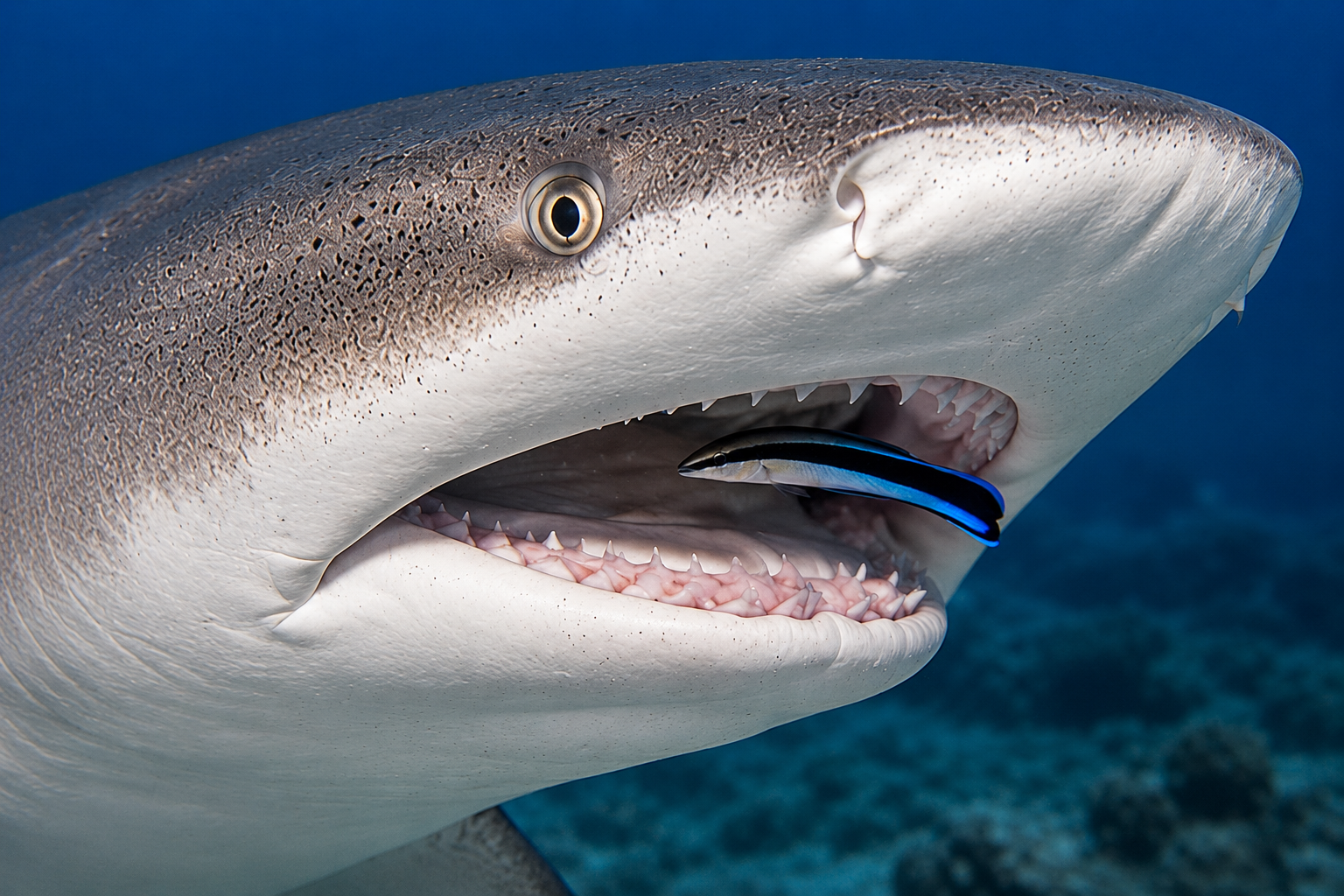
Imagine swimming up to a shark, asking it to open its mouth, and then climbing inside to brush its teeth.
For almost every animal on Earth, that would be a terrible idea.
For cleaner wrasses, it’s just another day at work.
These small reef fish make a living by removing parasites, dead skin, and debris from larger marine animals. Their clients include reef fish, sea turtles, rays, moray eels, and even sharks. Instead of being eaten, cleaner wrasses are welcomed.
It’s one of the most extraordinary partnerships on a coral reef — and one that helps keep entire reef communities healthy.
What Are Cleaner Wrasses?
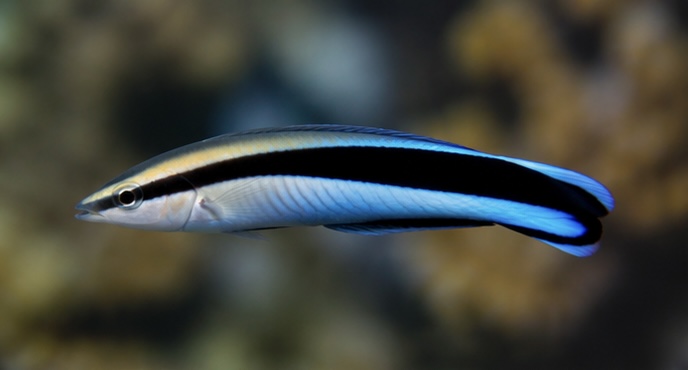
Cleaner wrasses are small fish belonging to the wrasse family. The most well-known species, the bluestreak cleaner wrasse (Labroides dimidiatus), is found throughout the tropical Indo-Pacific.
Most grow to only 10–12 centimetres long. Their slender bodies carry a bold dark stripe from head to tail — a visual signal recognised across the reef as the badge of a cleaner.
Rather than avoiding them, many fish actively seek them out.
What Do Cleaner Wrasses Do?
Cleaner wrasses feed on parasites, dead skin, loose scales, and other material they remove from larger marine animals.
This unusual diet allows them to occupy a role unlike almost any other fish on the reef. Instead of hunting prey or grazing algae, they earn their meals by providing a service.
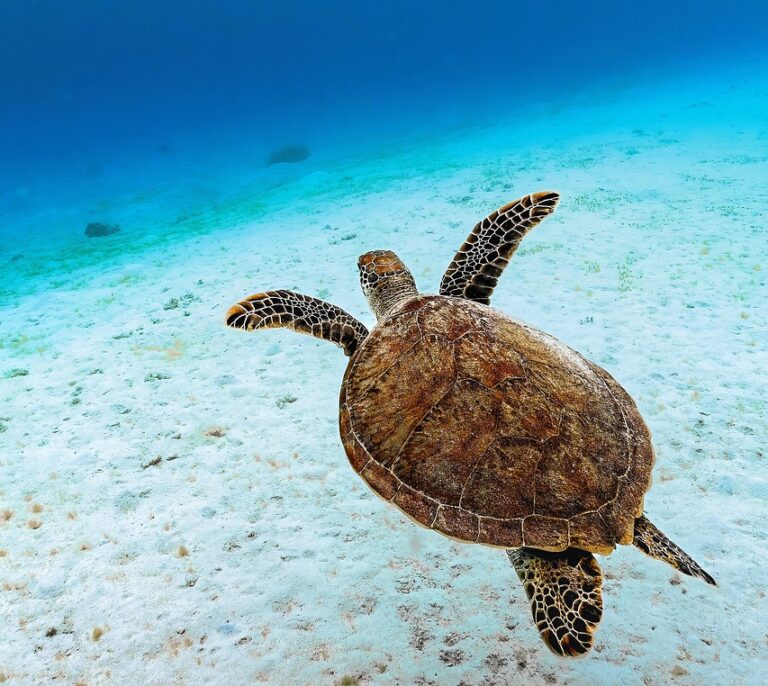
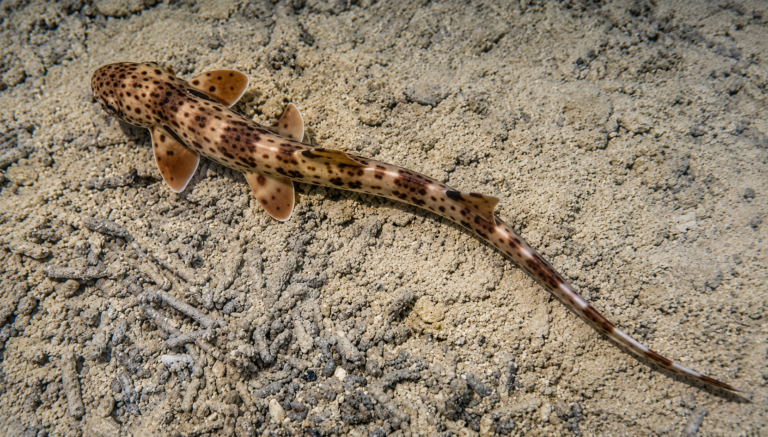
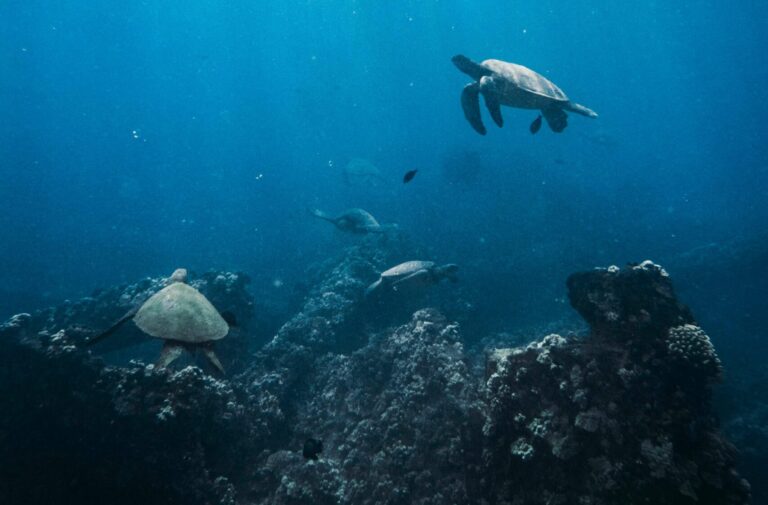
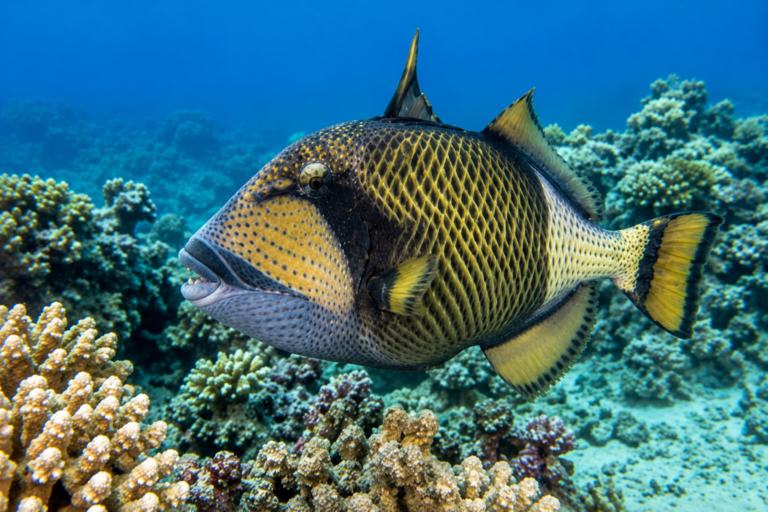
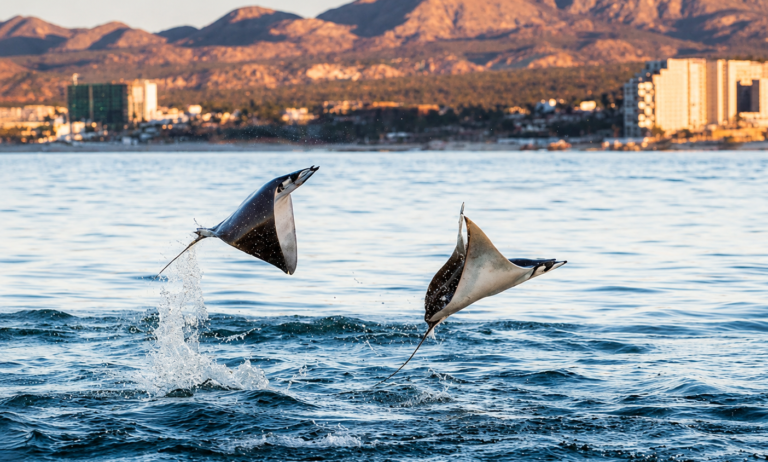
Their clients include hundreds of species, ranging from small reef fish to turtles, rays, moray eels, and sharks.
Many of these animals actively visit cleaning stations rather than waiting for cleaners to find them. Parasites often attach around sensitive areas such as the mouth, gills, eyes, and fins, making them difficult to remove without help.
Cleaning Stations
Cleaner wrasses operate from specific locations known as cleaning stations.
These stations function like underwater health clinics where animals arrive to be inspected and cleaned.
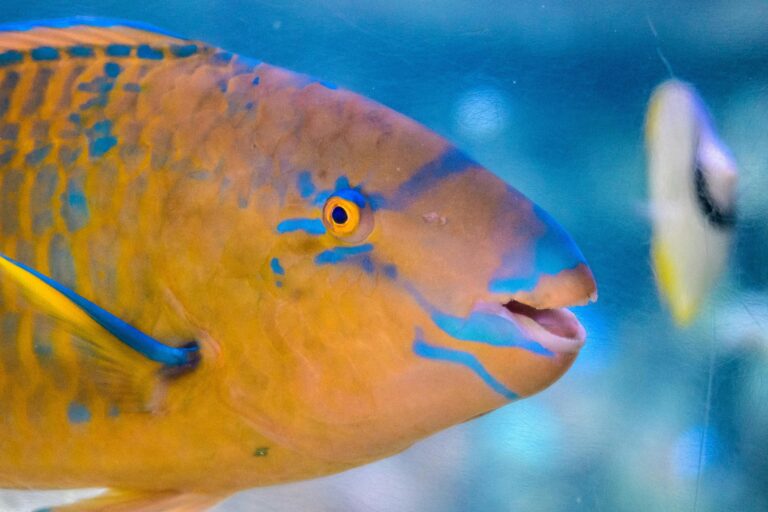
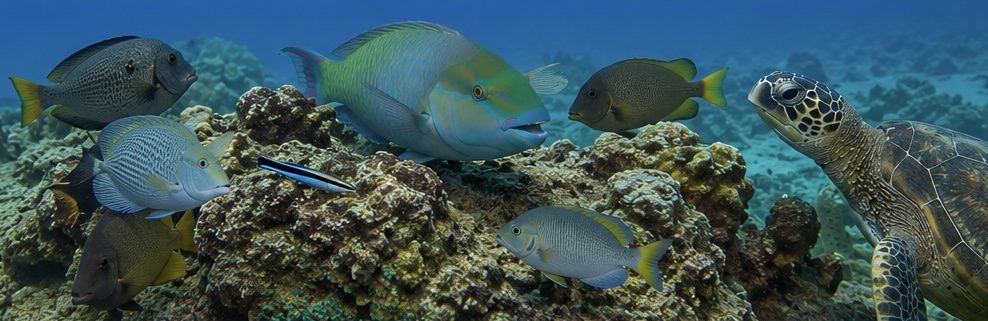
The reef around a cleaning station often feels unusually calm. Fish hover in place, waiting their turn. A parrotfish may tilt its body and flare its fins. A surgeonfish might hold perfectly still. Larger animals such as turtles, rays, and sharks slow down and linger nearby.
The cleaner wrasses weave between them, inspecting each client with quick, precise movements before moving on to the next.
On busy reefs, a single cleaning station may be visited by hundreds of animals every day.
Why Location Matters
Cleaner wrasses don’t establish cleaning stations just anywhere.
Like a business choosing a busy street corner, they set up where potential clients regularly pass by. Most cleaning stations form around coral bommies, rocky outcrops, and other prominent reef features that naturally attract fish traffic.
These locations also provide good visibility for passing animals while giving the cleaners nearby shelter if they need to retreat quickly.
Over time, reef animals learn where these stations are and return repeatedly, turning them into some of the busiest meeting places on the reef.
On the reef, a cleaning station often stands out less because of the place itself and more because animals keep returning to it. What makes it recognisable is the repeated traffic around a particular bommie or outcrop — different species visiting the same small area again and again. This is how you can spot a cleaning stations while snorkelling or diving.
How Cleaner Wrasses Attract Clients
Being recognised as a cleaner is essential.
The dark stripe running along a cleaner wrasse’s body acts as a visual advertisement, helping other animals identify it from a distance.
Cleaner wrasses also perform a distinctive side-to-side dance before beginning a cleaning session. Scientists believe this behaviour signals their intentions and encourages larger animals to stop for inspection.
Together, the stripe and dance communicate a simple message across the reef: cleaning services available here.
Why Don’t Animals Just Eat Them?
This is what makes cleaner wrasses so remarkable.
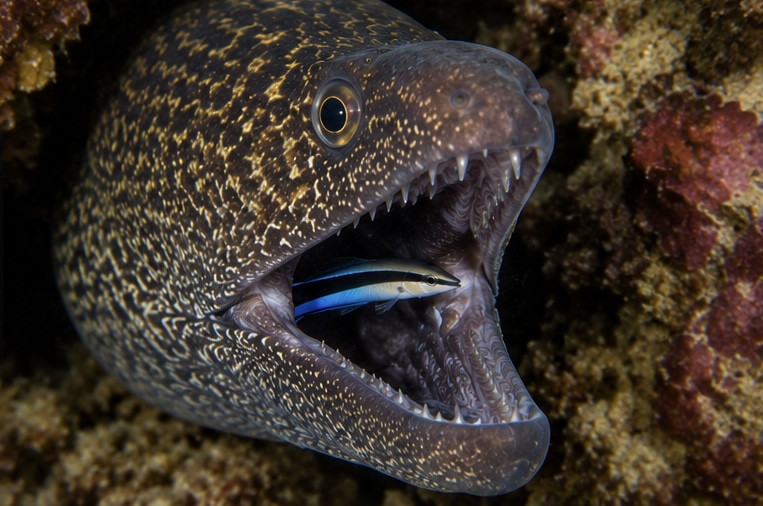
Many of their clients are predators capable of swallowing them in a single bite. Yet during cleaning sessions, those predators behave with surprising restraint.
Groupers, moray eels, reef sharks, and other hunters allow cleaner wrasses to move freely around sensitive areas such as their mouths and gills. Some even allow the cleaners to work between their teeth.
The relationship is a classic example of mutualism — a partnership where both species benefit. The cleaner wrasse gains food, while the client receives a valuable cleaning service.
Tiny Fish, Huge Impacts
Cleaner wrasses do far more than help individual fish.
By removing parasites and dead tissue, they help keep reef fish healthier and reduce the spread of disease throughout the community. Their presence can influence where fish choose to live, how often they visit certain reefs, and even how many species are found in an area.
Reefs without cleaner wrasses often support fewer fish and lower overall diversity. Their effects ripple outward through the ecosystem, shaping the health and stability of entire reef communities.
And because healthy reefs support coastal fisheries, tourism, and natural protection from storm surges, the work of cleaner wrasses ultimately benefits human communities as well as marine life.
Despite their small size, they have an outsized ecological influence.
The Fish That Keep the Reef Running
Cleaner wrasses may not be the most famous reef animals, but few species punch so far above their weight.
Every day, these tiny fish facilitate countless interactions between predators and prey, helping maintain the health of reef communities one client at a time.
The next time you see a fish hovering motionless above a coral bommie, take a closer look. You may be watching one of the ocean’s most remarkable partnerships unfold — a tiny fish performing a service so valuable that even a shark will wait its turn.