Farming seems like a uniquely human activity. It requires planning, maintenance, and protecting a valuable food source from competitors.
Yet on coral reefs around the world, a small fish performs its own version of agriculture every day.
These fish don’t use tools or plant seeds, but they do cultivate, maintain, harvest, and defend underwater gardens that provide a reliable source of food.
The Reef’s Unexpected Farmers
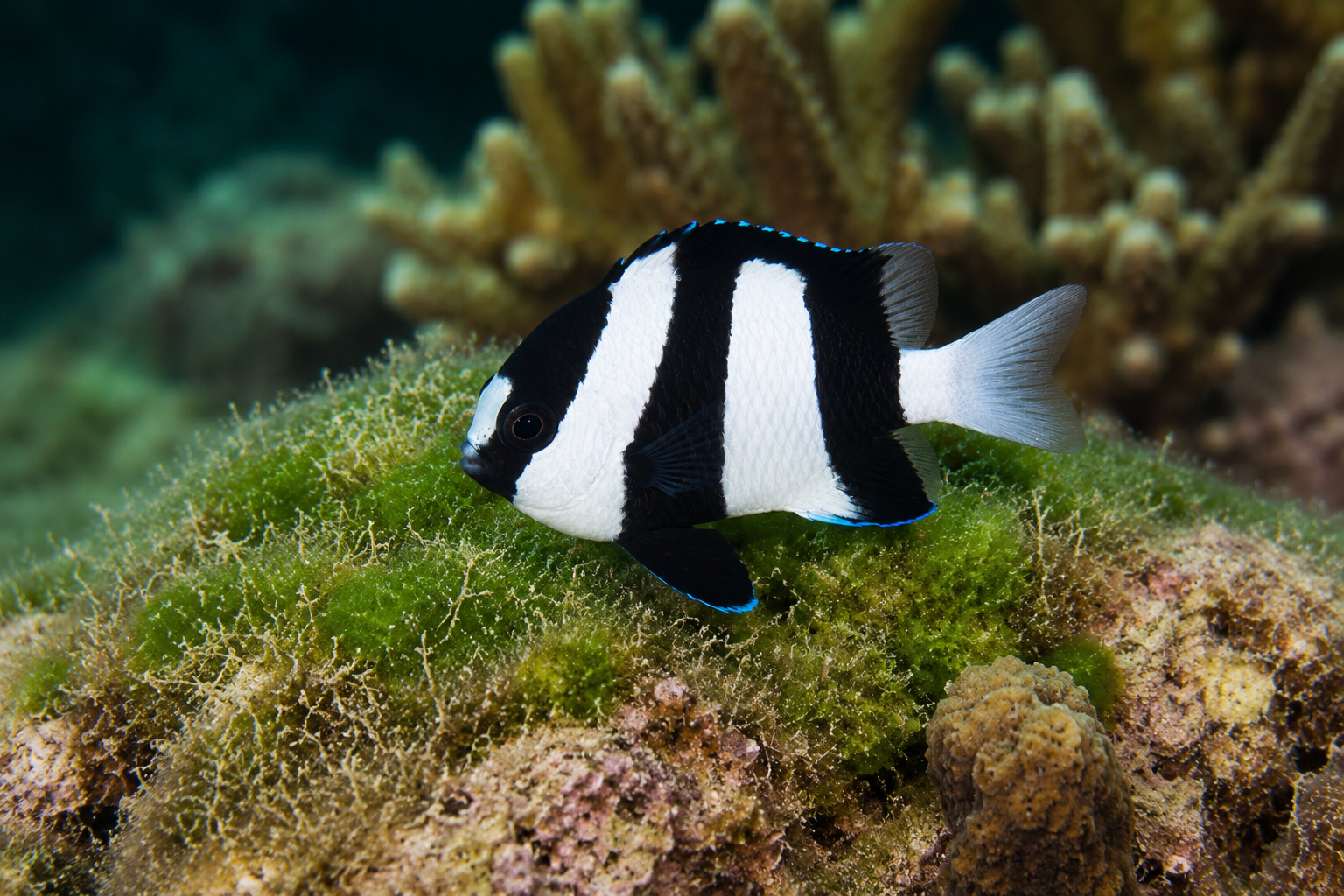
The farmers are damselfish.
Not all damselfish farm algae, but dozens of species do, particularly within the genus Stegastes. These fish are found on tropical reefs throughout the Caribbean, Indo-Pacific, and Great Barrier Reef.
If you’ve ever snorkelled or dived on a reef and been chased by a tiny, furious fish, you’ve likely met one.
The reason is simple: they’re protecting their crops.
How Do Fish Farm Algae?
The process begins when a damselfish selects a small patch of reef — a rock, a coral head, or a rubble slope — and declares it its own.
Once the territory is established, the fish starts shaping what grows there. Rather than eating every type of algae, it selectively removes species it doesn’t want while allowing preferred species to thrive.
In effect, the fish weeds its garden.
Over time, the territory becomes dominated by algae that the damselfish prefers to eat. Research has shown that some farming species actively maintain gardens containing more desirable algae than the surrounding reef.
This isn’t a random patch of seaweed. It’s a carefully managed food source.
Protecting the Harvest
A thriving algae garden is valuable — and other herbivores know it.
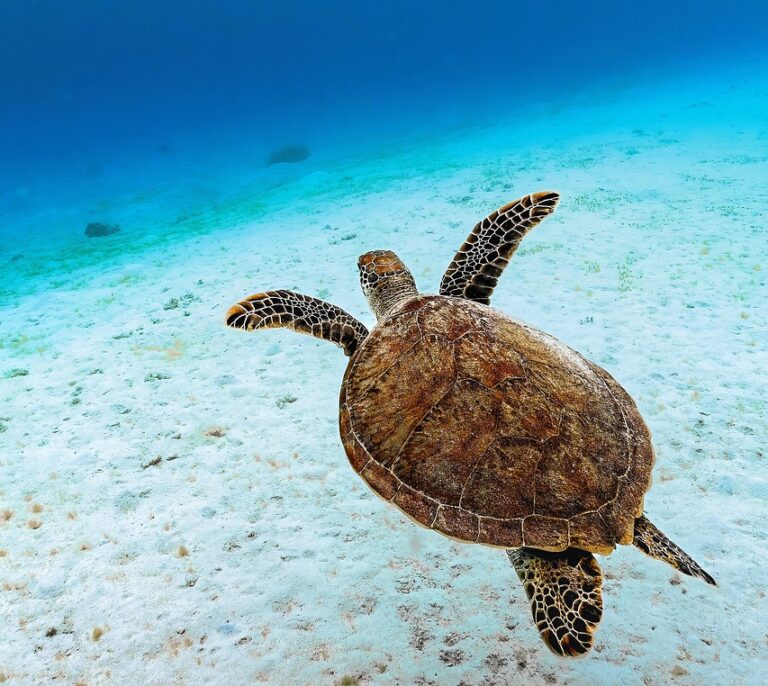
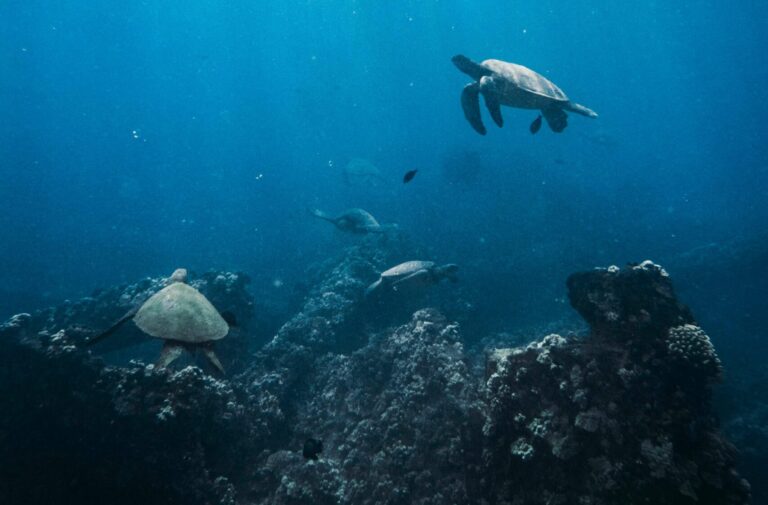
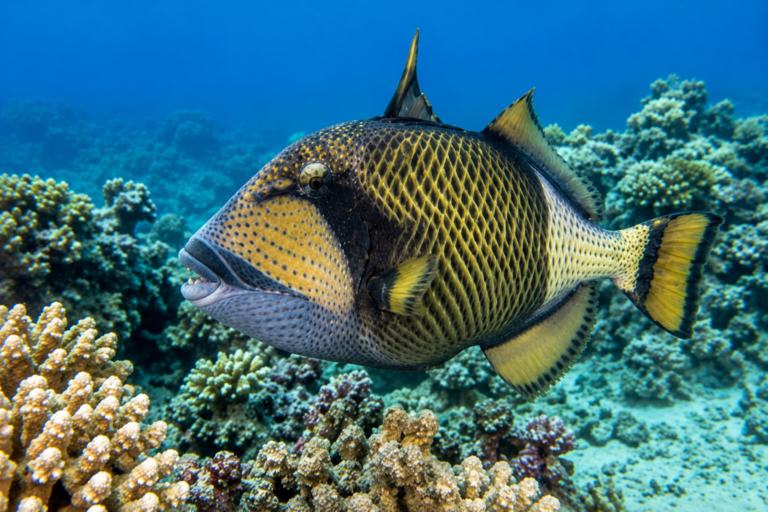
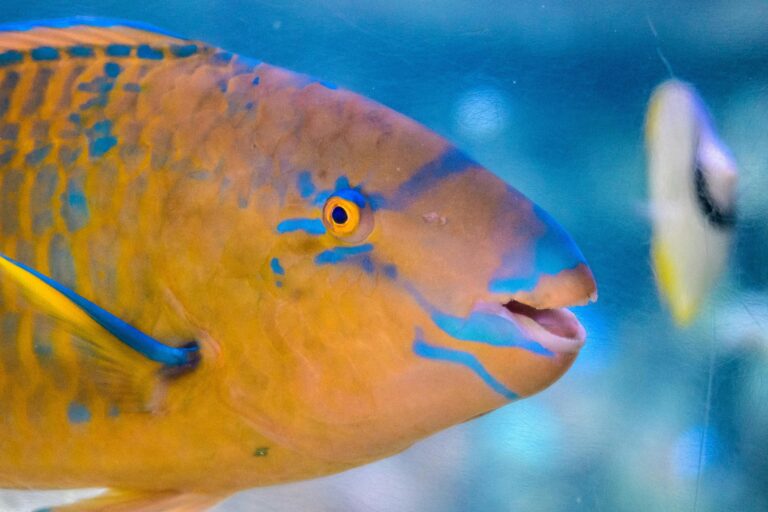
Parrotfish, surgeonfish, rabbitfish, and even passing turtles would happily graze the patch if given the chance. To a damselfish, these animals are thieves threatening its harvest.
So it fights.
The fish charges intruders with surprising aggression, darting forward in rapid bursts, flaring its fins, and biting when necessary. Some species will even confront divers, swimming directly at masks or cameras in a bold attempt to drive them away.
The fish’s confidence often seems wildly disproportionate to its size.
Yet the strategy works. Constant defence keeps the garden intact and ensures a steady supply of food.
Why Farm Instead of Forage?
Maintaining a garden requires effort, so why bother?
The answer is reliability.
Instead of searching the reef for food each day, a farming damselfish has a steady supply growing within its territory.
They harvest algae as it grows. Rather than stripping the garden bare, the fish repeatedly crops small amounts and allows the algae to regenerate. This creates a renewable food supply that can support the fish for long periods.
It’s the difference between growing vegetables in your backyard and hunting for food every day.
More Than Just Algae
These gardens often form miniature ecosystems, providing dense, sheltered spaces that attract small crustaceans, worms, and other invertebrates. Some damselfish feed on these animals as well, gaining extra nutrition from the community their garden supports.
As a result, the territory becomes more than a simple food patch. It’s a small, productive ecosystem maintained by a single fish.
Where Can You See It?
Algae-farming damselfish live on tropical coral reefs around the world.
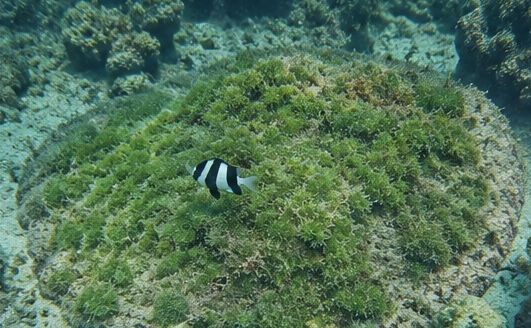
Once you know what to look for, their gardens become surprisingly easy to spot. A dense patch of algae surrounded by more heavily grazed reef is often a clue. If a small damselfish immediately rushes out to challenge nearby fish — or you — you’ve probably found an active farm.
In fact, many divers mistake these gardens for untidy or overgrown sections of reef. What looks like a neglected patch of algae is often a carefully maintained crop that has taken months to establish.
Small Fish, Big Influence
Although each garden is small, these territories can shape the reef around them.
By encouraging some algae species and removing others, damselfish alter the ecology of their territory. Their gardens influence where other herbivores feed, how algae spread, and even how coral competes for space.
For a fish so small, the ecological impact is surprisingly large.
The Ocean’s Little Farmers
Coral reefs are full of behaviours that seem almost impossible when viewed through a human lens.
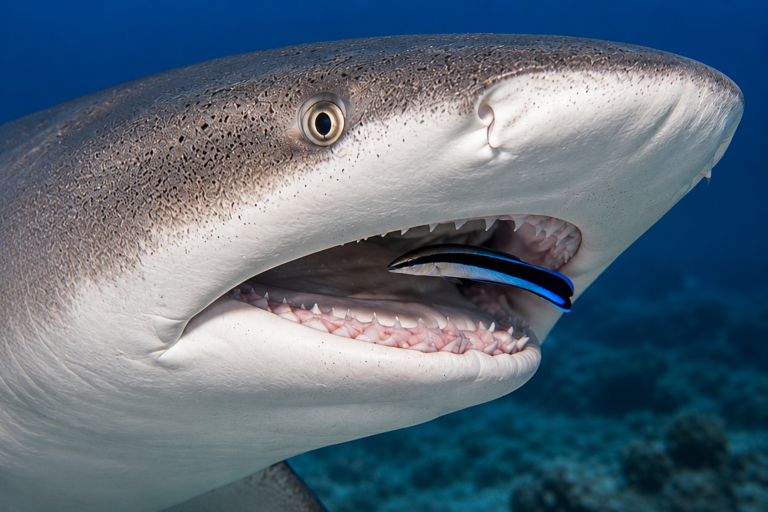
Yet among the sharks, turtles, and colourful corals lives a fish that spends its days doing something surprisingly familiar: growing food, pulling weeds, defending its garden, and harvesting the results.
The next time you see a damselfish aggressively patrolling a patch of reef, it may not just be protecting its home.
It could be protecting its farm.
For most of us, farming and fish are two ideas that don’t belong in the same sentence.
Damselfish never got that memo.