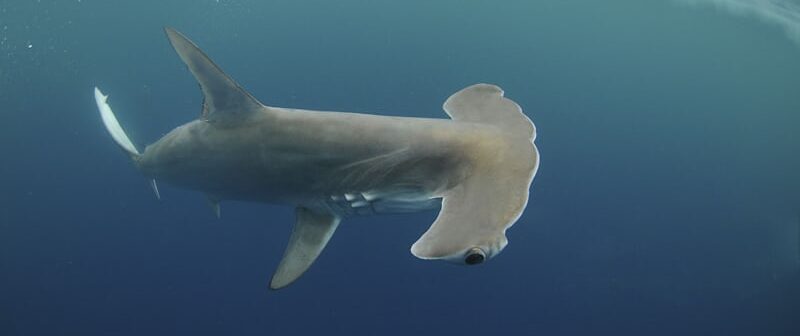

For many people, sharks are the ocean’s villains.
They’re feared, misunderstood, and often portrayed as ruthless predators. When a shark attack makes headlines, calls to remove or kill sharks are rarely far behind.
It’s easy to see why. Sharks are large, powerful animals, and unlike most marine life, they can pose a genuine risk to humans.
Yet judging sharks solely by that risk overlooks something far more important.
For all the attention given to what sharks take from the ocean, far less attention is given to what they provide.
How Sharks Shape Marine Ecosystems
Sharks are found in almost every marine ecosystem on Earth, from shallow coral reefs and seagrass meadows to the open ocean and deep sea.
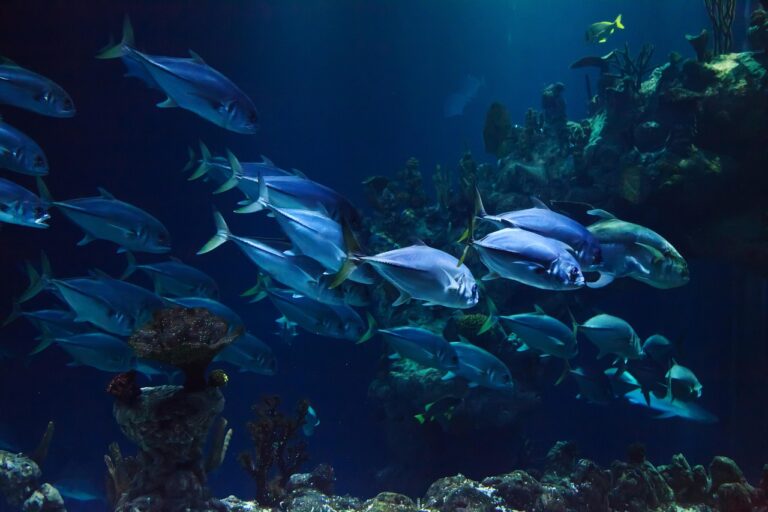
Wherever they occur, they often sit high in the food web. They commonly hunt fish, turtles, rays, seals, and other marine animals, depending on the species and habitat. This direct predation:
- helps regulate prey populations, preventing some species from becoming too abundant and placing excessive pressure on the ecosystem
- removes weaker, injured, or vulnerable individuals, which can contribute to healthier prey populations over time
But their influence does not end with the animals they catch.
As apex predators, sharks affect the behaviour of many other species. Animals that could become prey often respond to the risk of predation by changing where they feed, how long they spend in certain areas, and how they move through their environment.
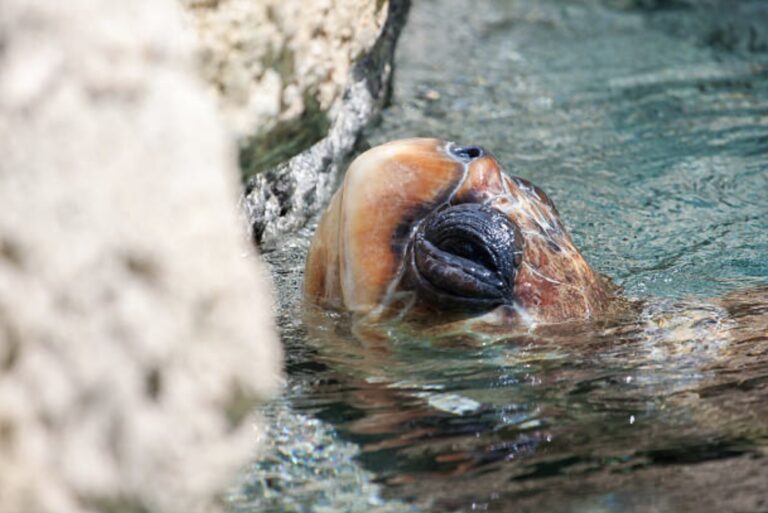
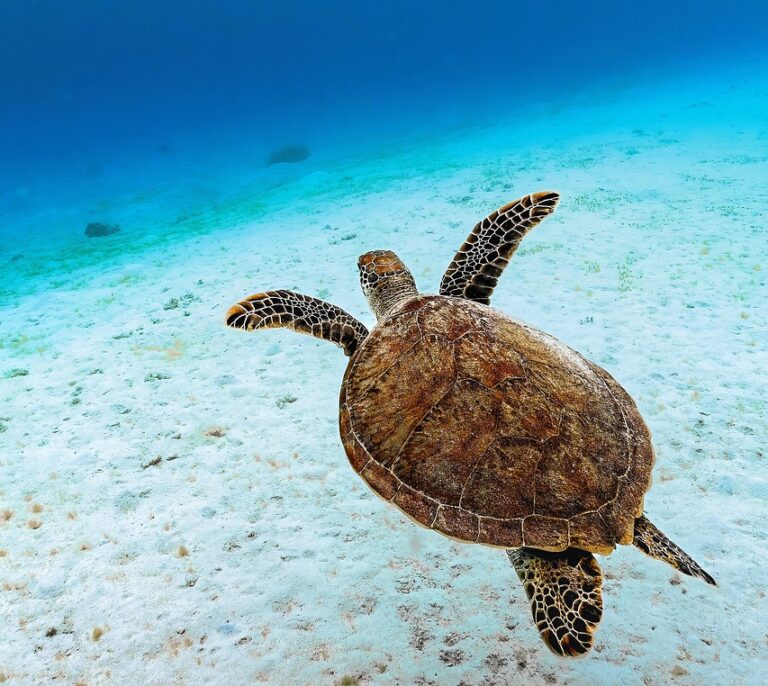
In Shark Bay, Western Australia, tiger sharks have been shown to influence the feeding behaviour of dugongs and green turtles. These animals spend less time grazing in exposed areas where the risk of encountering a tiger shark is higher. This reduces grazing pressure in those parts of the meadow, allowing seagrass more opportunity to grow and recover instead of being constantly cropped down.
In turn, this helps maintain the habitat, food resources, carbon storage, and coastal protection that healthy seagrass meadows provide. These benefits don’t just matter to marine life — they support coastal fisheries, stabilise shorelines, and help buffer communities from storms and erosion (see our article Seagrass Meadows: The Quiet Engine of Coastal Life)
Sharks are not only important because of the animals they eat. They are also important because they shape how other animals use the ocean, and in doing so, they help maintain the ecosystems that people rely on every day.
What Happens When Sharks Decline?
Because sharks influence prey populations and animal behaviour, the effects of their decline can spread throughout an ecosystem.
When sharks disappear, ecosystems do not suddenly collapse overnight. Instead, small changes begin to accumulate. Prey species may become more abundant, feeding patterns can shift, and greater pressure can be placed on the habitats and species lower in the food web.
Ecologists refer to these chain reactions as trophic cascades. Put simply, changes at the top of a food web can trigger changes further down.
- Large predators decline
- Prey populations increase
- Greater pressure is placed on food sources and habitats
- Changes spread throughout the ecosystem
For a deeper explanation, read our article: How One Species Can Change an Entire Ecosystem.
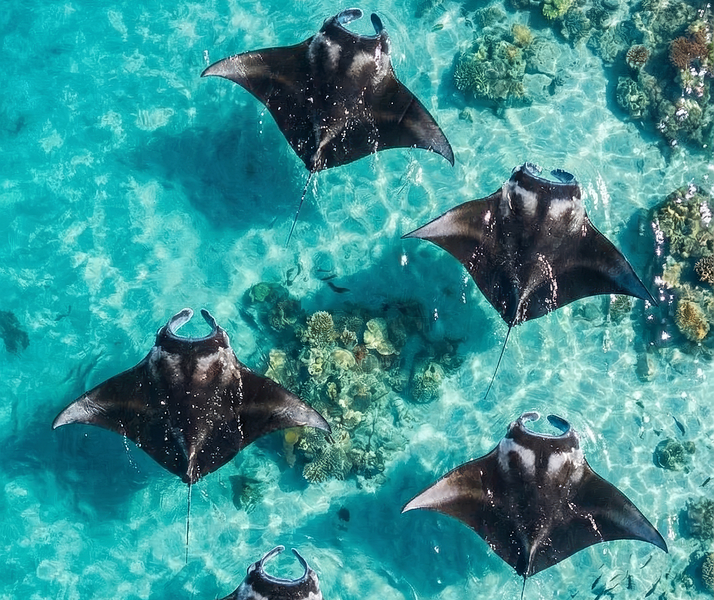
One example comes from the east coast of the United States, where declines in large shark populations were followed by increases in cownose ray populations. These rays then fed heavily on shellfish such as scallops, clams, and oysters, increasing pressure on shellfish populations that support both coastal ecosystems and commercial fisheries.
These cascading effects aren’t theoretical — they’ve been documented in ecosystems around the world. And the scale of change becomes even clearer when we look at global trends.
A global study published in Nature found that reef sharks were functionally absent from around 20% of surveyed coral reefs and severely depleted on many others.
These findings highlight a broader pattern: when predators decline, the consequences ripple outward.
Not every ecosystem responds in exactly the same way, but the broader principle remains consistent: when predators disappear, their influence disappears with them.
The Value of a Living Shark
Sharks are often discussed in terms of ecology, but they also provide significant economic benefits.
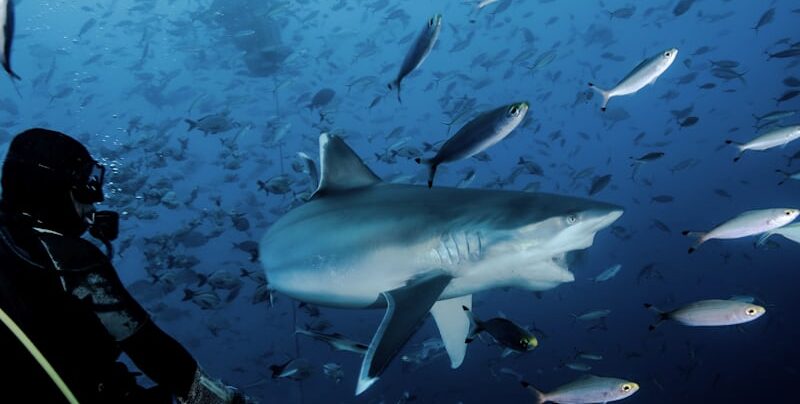
Around the world, shark tourism generates hundreds of millions of dollars annually. Divers travel to destinations such as the Bahamas, Fiji, South Africa, and Australia’s Ningaloo Reef to see species including whale sharks, tiger sharks, hammerheads, and reef sharks in the wild.
In some locations, a single reef shark can generate hundreds of thousands of dollars in tourism revenue over its lifetime—far more than it would ever be worth if caught.
In the Bahamas alone, shark tourism contributes tens of millions of dollars to the national economy each year and supports local jobs and businesses.
For many coastal communities, healthy shark populations support dive operators, accommodation providers, restaurants, boat crews, and countless other tourism-related jobs.
Why Shark Populations Struggle to Recover
One reason shark conservation is so challenging is that many species reproduce slowly.
Unlike many bony fish, sharks tend to grow slowly, mature later in life, and produce relatively few offspring. For example:
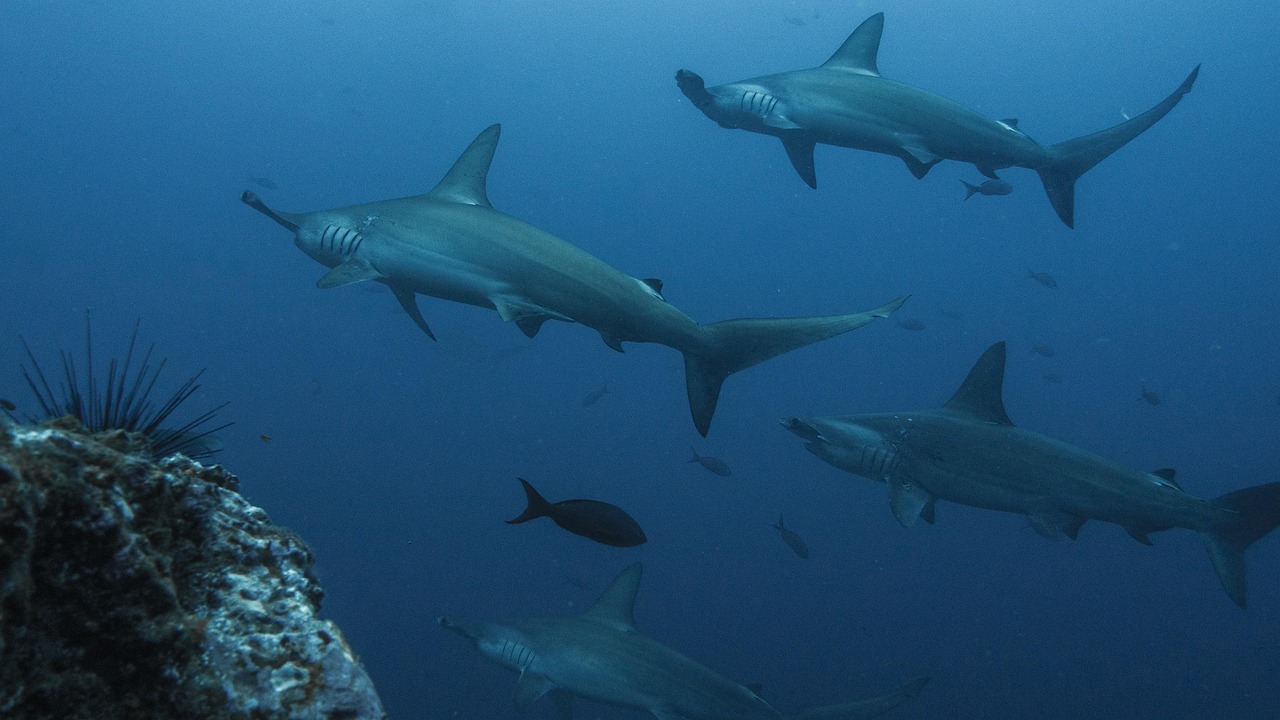
- Great hammerheads may not reproduce until around 15 years of age
- Whale sharks can take decades to reach maturity
- Some shark species produce only a handful of pups at a time
These traits were not a problem for most of shark evolutionary history. The challenge is that modern fishing pressure can remove sharks far faster than populations can replace themselves.
Sharks Under Pressure
Scientists estimate that humans kill between 80 and 100 million sharks every year through commercial fishing, bycatch, and other activities. By contrast, sharks kill fewer than 10 people globally in most years.
In other words, humans kill more sharks every hour than sharks kill people in an entire year.
The consequences are already visible. A 2021 study found that populations of oceanic sharks and rays have declined by more than 70% since 1970, while around one-third of all shark and ray species are now considered threatened with extinction.
For species that may take 10, 15, or even 20 years to reach maturity, a population can decline far faster than it can recover.
The Ocean Without Sharks
People often think about sharks in terms of the danger they pose to humans.
Yet shark attacks are exceptionally rare compared with the countless hours people spend swimming, surfing, diving, and fishing in the ocean each year.
Far less attention is given to the role sharks play beneath the surface — roles that ultimately support the fisheries, reefs, coastlines, and tourism industries that millions of people depend on.
The irony is that one of the animals people are most likely to fear is also one of the animals helping keep ocean ecosystems in balance. A healthy ocean is not possible without healthy predator populations.
The next time a shark appears in a headline, it’s worth remembering that its role in the ocean is far greater than the risk it poses to humans. Understanding that role doesn’t mean ignoring the risks sharks can pose. It means recognising that sharks are far more than the reputation that surrounds them — they are part of the natural systems that support coastal communities, economies, and the resilience of the ocean itself.